Arduino Security Sensor: Protect Your Smart Home
In the ever-evolving landscape of the Internet of Things (IoT), the Arduino platform has emerged as a powerful tool for creating innovative, DIY security sensors. Arduinoboards, renowned for their versatility and affordability, are empowering hobbyists, inventors, and even professionals to build robust security systems tailored to specific needs.
The Arduino platform's open-source nature and extensive libraries allow users to harness a vast array of sensors and actuators, transforming simple breadboards into sophisticated security networks. From motion detectors to gas sensors, and from door/window sensors to alarm systems, the possibilities are virtually endless.
Arduino Security Sensors: Key Features
Before delving into the tangible applications, let's explore the key features that make Arduino an ideal platform for creating security sensors:


**Affordability**: Arduino boards are remarkably cost-effective, making them an accessible option for individuals and organizations seeking to improve their security on a budget.
Arduino Boards for Security Sensors
Several Arduino boards cater to different security needs, including:

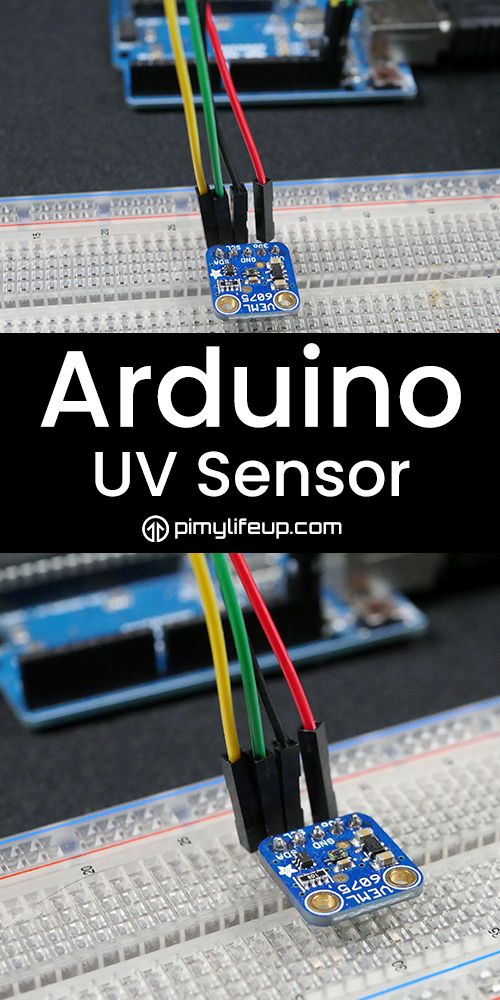

- Arduino Uno: A classic choice due to its simplicity, robustness, and wide range of shields (add-on boards) for various sensors.
- Arduino Nano: Compact and lightweight, perfect for integrating into PVC pipes, small cabinets, or tiny enclosures.
- Arduino Mega: Offers more pins and processing power, ideal for complex security systems with multiple sensors.
Arduino Security Sensors: Protocols & Connectivity
Arduino excels in wireless communication, allowing security sensors to communicate without wires, perfect for expansive perimeters orっfar-reaching loft spaces.
**Popular wireless protocols for Arduino security sensors include:**
- Wi-Fi - Enables integration with home networks and cloud services.
- Bluetooth - Ideal for short-range, low-power communication with smartphones and other devices.
- Zigbee and Z-Wave - Suitable for long-range, low-power, and secure communication with other IoT devices.
Arduino Security Sensor Applications
Armed with Arduino boards and an array of sensors, here are some practical security sensor applications:


1. Motion Detection Sensors: Paired with a PIR (Passive Infrared) sensor, Arduinos can detect motion within a specific area, triggering alerts or actions when motion is detected.
Door/Window Sensors
Magnectic reed switches or active RFID/I buttons are commonly used to detect when doors or windows are opened. Arduino sensors can log and report these events, alerting users to unauthorized access attempts.
Gas & Smoke Detection
Arduino sensors like the MQ-2 (for smoke and LPG) and MQ-135 (for CO and other gases) enable the creation of gas and smoke alarm systems. Once calibrated, these sensors can trigger alarms when harmful gas concentrations are detected.


Securing Arduino Security Sensors
While Arduino boards simplify the creation of security sensors, it's essential to consider the security of these DIY systems:
1. Encryption for Communication: Implementing encryption, such as AES or RSA, ensures that data transmitted between sensors and the control panel is secure and unreadable by potential eavesdroppers.
Secure Communication Protocols
Using secure communication protocols, like MQTT with TLS/SSL, can provide an extra layer of security, preventing unauthorized access to the system.
Regular Firmware Updates
Keeping the firmware on Arduino boards up-to-date is crucial to ensure that the latest security patches and bug fixes are applied, minimizing potential vulnerabilities.
In the realm of IoT security, Arduino boards offer endless possibilities for crafting innovative, customizable, and affordable security sensors. As the platform continues to evolve, so too will the creative solutions users develop to protect their homes, businesses, and families. Embrace the power of Arduino, and let your imagination shape the future of security."
Related Articles

Smart Security Camera Setup: Protect Your Home
In today's connected world, home security has evolved significantly. Smart security cameras, equipped with advanced features and internet connectivity, offer...

Top Smart Security Systems in 2023: Bestная Protect Your Home
The digital age has revolutionized not just communication, but also the way we secure our homes and businesses. Smart security systems, powered by AI and...

Prelungitor Smart Hama: Revolutionize Your Home Security
Prelungitor Smart Hama are a Romanian-based tech innovator specializing in advanced digital signage solutions. They're transforming the way we engage with...

Top Smart Security Brands: Enhance Your Home Protection
In the era of digital transformation, cyber threats are escalating at an unprecedented pace, making modern security measures more crucial than ever. One sector...

10 Creative Cool Security Devices to Protect Your Home in 2023
In the vast, interconnected world of today, the importance of digital security cannot be overstated. As we rely increasingly on technology to manage our lives...

Goveelife Premium Smart Water Leak Detector: Protect Your Home from Hidden Havoc
Is your home's plumbing system keeping you up at night with anxiety? Water leaks can happen at any time, causing significant damage and costly repairs...