Are There Two Airports in Frankfurt, Germany?
Frankfurt, Germany's fifth-largest city and the country's financial hub, is served by two airports. This might come as a surprise to some, as it's not typical for cities to have two commercial airports. But Frankfurt's unique situation and growth as a major European transportation node necessitated this infrastructure.
Both airports are located within close proximity to each other and serve different purposes. However, they together form the area's comprehensive air transportation network. Let's delve into the details of these two airports and understand their roles in Frankfurt's aviation scene.
Frankfurt Airport (FRA) - busesy hub
Frankfurt Airport, operated by Fraport, is the city's main international airport and one of the world's busiest by passenger traffic. It handles a vast majority of international and domestic flights, making it a crucial air traffic hub for Europe.


FRA is a major base for Lufthansa, one of the largest airlines in Europe, and handles numerous intercontinental flights. Its four runways accommodate a wide range of aircraft, from small private jets to jumbo planes like the Airbus A380.
FRA's Terminals
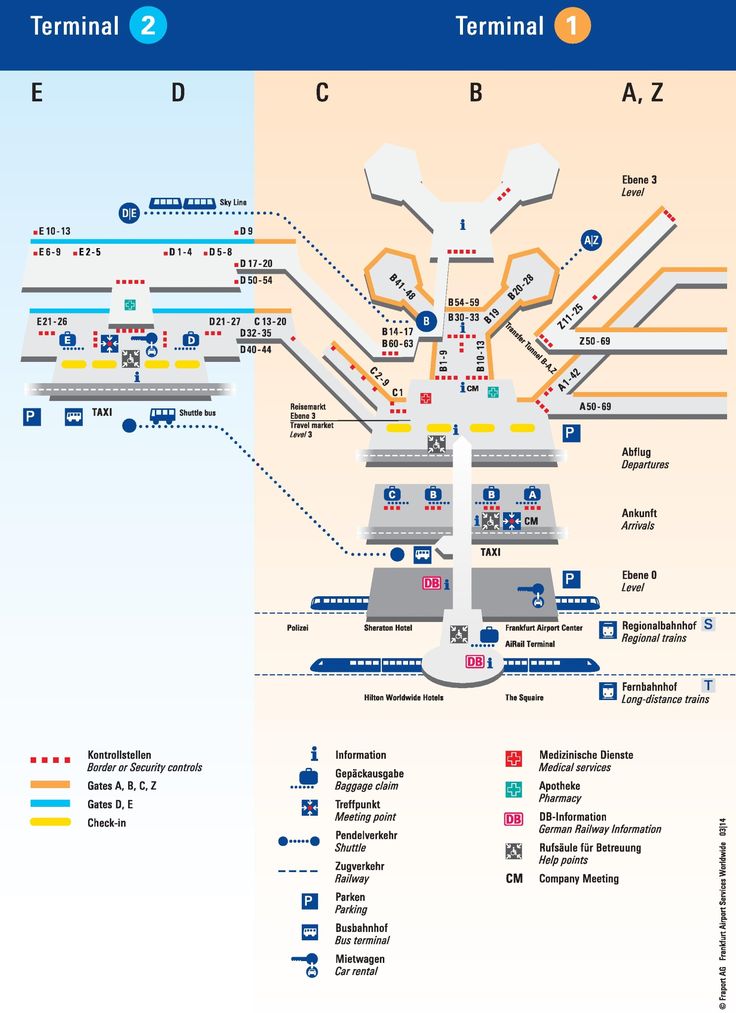
FRA comprises two main terminal buildings, connected by a SkyLine people mover system. Terminal 1, the older facility, was designed for hub traffic, while Terminal 2 caters better to point-to-point traffic and has a more modern feel.


Both terminals are well-equipped with amenities, including shops, restaurants, lounges, and other services, ensuring a smooth travel experience for passengers. FRA also boasts excellent public transportation links, with frequent trains and buses connecting it to Frankfurt's city center and other destinations.
FRA's Cargo Operations
In addition to passenger traffic, FRA is a significant player in air cargo. It's home to Frankfurt Airport Cargo City South, one of the world's largest cargo hubs. Several airlines, including Lufthansa Cargo and FedEx Express, maintain major cargo facilities here.
The airport's centralized cargo handling system streamlines processes, making it an attractive choice for freight operators. FRA offers a comprehensive cargo infrastructure, with facilities for pharma, temperature-controlled goods, and live animals, among others.


Frankfurt-Hahn Airport (HHN) - low-cost hub
Frankfurt-Hahn Airport, located around 70 miles northwest of Frankfurt city center in Mainz, serves as the city's secondary airport. It operates as a low-cost hub, with airlines like Ryanair and Wizz Air using it as their main base for Frankfurt operations.
Compared to FRA, HHN has a much smaller capacity and handles primarily short-haul flights to European destinations. Its low landing fees and charges make it an attractive alternative for budget carriers.
HHN's Facilities
HHN has a single runway and a terminal building offering basic amenities, including a few shops, restaurants, and lounges. Despite its smaller size, the airport operates efficiently, with quick turnaround times and easy navigation for passengers.




HHN compensates for its smaller size and lack of intercontinental connections with a convenient location closer to many of Frankfurt's surrounding towns and cities. This makes it a popular choice among local passengers seeking low-cost travel options.
HHN's Expansion and Future Plans
Despite its limited facilities, HHN has plans for expansion to accommodate growing demand. Recent projects include the extension of its runway and the upgrade of its apron and taxiways. These improvements will enable the airport to handle larger aircraft and increase its overall capacity.
Furthermore, efforts are being made to improve connectivity between HHN and Frankfurt city center. While journey times currently rely on indirect public transportation, proposed high-speed rail links could significantly reduce travel time between the airport and urban areas.
The coexistence of FRA and HHN allows Frankfurt to cater to a diverse range of travel needs. While FRA focuses on intercontinental flights and cargo, HHN offers low-cost alternatives for short-haul travel. This dual-airport strategy supports Frankfurt's growth as a major European transportation hub, contributing to its economic vibrancy and global connectivity.
Related Articles
Frankfurt's Multiple Airports: Is There More Than One?
Frankfurt, the vibrant financial and transportation hub in central Germany, is home to a multitude of airports that serve a wide range of purposes. While some...
Frankfurt's Dual Airports: Are There Two?
Are you planning a trip to Frankfurt and wondering if the city has more than one airport? You're not alone. Many travelers are unaware that Frankfurt...

Is Frankfurt Home to Multiple Airports?
Frankfurt, a major city in Germany, is renowned for its rich history, vibrant culture, and economic significance. With such importance and global connectivity...

Is Munich Home to Multiple Airports?
Munich, the vibrant capital of Bavaria, is a major hub for both business and leisure travel, attracting over 90 million visitors annually. Given its...

Is There A Smart TV Remote App?
The evolution of technology has brought us to a point where traditional remote controls are becoming a thing of the past. Many of us are now questioning: "Is...

Find Samsung Smart TV Remote Apps
Ever misplaced your physical Samsung Smart TV remote and wished for a quick, convenient alternative? You're in luck! Samsung has indeed developed a robust...