Optimize Your Culinary Game: The Best Kitchen Setup for Cooking
Creating the perfect kitchen setup for cooking is an art that combines functionality, efficiency, and aesthetics. A well-designed kitchen not only enhances your culinary experience but also saves time and reduces stress. Let's delve into the best practices to create a kitchen setup that compliments your cooking style and becomes a space you love to spend time in.
The starting point of any ideal kitchen setup is understanding your cooking habits, the type of cuisine you enjoy preparing, and the available space. Whether you're a novice or a seasoned chef, the following tips will help you create a kitchen tailored to your needs.
Layout and Workflow Efficiency
An efficient kitchen layout should seamlessly guide you through the cooking process. The work triangle, a concept coined by architect Ludwig Mies van der Rohe, is a fundamental principle in kitchen design. It connects the stove, sink, and refrigerator, creating a functional workspace that minimizes steps and saves time.


However, with the rise of open-plan kitchens, the work triangle has evolved to include additional zones like the dishwasher, prep area, and even a dining space. Consider creating distinct zones for different tasks - prep, cooking, cleaning, and dining to optimize your kitchen's functionality.
Zoned Storage Solutions
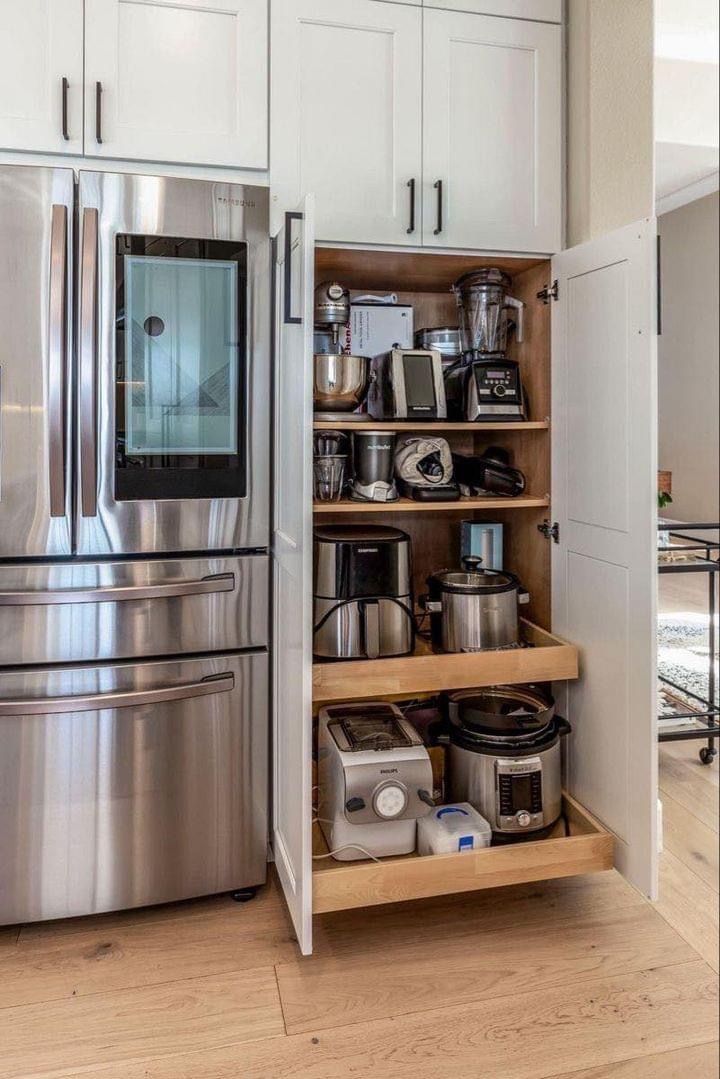
Optimizing your storage space is crucial for an efficient kitchen. Installing cabinets and shelves in strategic locations can transform underutilized areas into functional spaces. For instance, tall pantry cabinets can store ingredients, freeing up counter space for cooking. Understanding the reach zones - primary (27 to 54 inches), secondary (54 to 68 inches), and distant (68 inches and above) - can help you place items based on their frequency of use.


Maximize vertical space with roll-out shelves, tiered drawers, and pot racks. Monitor your usage patterns to adjust your storage solutions accordingly. Regular decluttering and reorganizing will help maintain an efficient, well-organized kitchen.
Countertop Considerations
Countertops are the backbone of your kitchen workspace. They should be durable, easy to clean, and provide ample space for prepping, cooking, and serving. Quartz, granite, and butcher block are excellent choices for their durability and resistance to stains and heat.
Consider the following when planning your countertops:


- height (standard is 36 inches) and depth (standard is 24 inches) for comfortable use,
- adding a larger peninsula or island for extra prep space and casual seating,
- including at least one section of low-height counter for conveniently reaching items from the floor, like small appliances or pet bowls.
Cooking Appliances and Tools
A well-equipped kitchen is one that caters to your culinary needs. Invest in high-quality appliances that match your cooking style and the size and layout of your kitchen. Consider both functionality and aesthetics to create a cohesive look.
Think ergonomics when selecting appliances. Place heavy items, like dishwashers and ovens, at an easy-to-reach height. Install task lighting to ensure optimal visibility during prep and cooking. Keep frequently used items within arm's reach and store heavy or rarely used items in lower or higher cabinets respectively.
Cooking Appliances
Start by identifying your cooking style and the types of cuisine you enjoy. Then, choose appliances that cater to these preferences. For instance, a convection oven is beneficial for baking and roasting, while a built-in grill is perfect for searing and grilling.


Consider the following when selecting appliances:
- size, and how they fit into your kitchen's layout and work zones,
- ease of cleaning (stainless steel is popular for its durability and ease of cleaning),
- energy efficiency and safety features.
Cooking Tools
High-quality kitchen tools are an extension of your cooking skills. Invest in a set of durable, artistic, and functional tools that you enjoy using. Unlike bulky appliances, these tools can be easily stored in drawers or displayed on open shelving.
Here are some must-have tools for every kitchen:
- chef's knife, slicing knife, and paring knife,
- wooden spoon, ladle, and silicone spatula,
- set of mixing bowls, measuring cups, and spoons,
- cutting board and prep bowls,
- colander, strainer, and chinois (for fine sieving),
- whisk, serving spoons, and kitchen towels.
Creating the best kitchen setup involves combining functionality, aesthetics, and personalized design choices. By understanding your cooking habits, optimizing your layout, and investing in quality appliances and tools, you can create a kitchen that nurtures your culinary passions and makes every meal a delight. So go ahead, let your creativity flow, and design a kitchen that reflects your unique style and complements your cooking journey.
Related Articles

Optimize Your Culinary Experience: The Ultimate Guide to Small Chinese Restaurant Kitchen Setup
Transforming a small space into an efficient Chinese restaurant kitchen requires careful planning and smart design. With the right setup, you can create a...

Optimize Your Cooking Space: The Best Kitchen Layout Plans
Engineering the perfect kitchen layout plan is an exciting task that combines functionality, aesthetics, and future growth. With meticulous planning, you can...

Boost Your Culinary Game: 10 Must-Buy Dollar Tree Kitchen Essentials
Ever wondered where you can maximize your kitchen equipments while minimizing your budget? The Dollar Tree, with its plethora of affordable items, is the...

"The UK's Top Kitchen Gadgets in 2025: Best Tech for Your Cooking Space"
The year 2025 has arrived, ushering in a new era of culinary innovation and convenience in the UK. In response to evolving needs and technologies, an array of...

"Transform Your Cooking: Best Smart Kitchen Ideas of 2023"
In the modern, always-connected world, the kitchen has evolved beyond its traditional boundaries. Today, it's not just a space to cook and eat, but a high-tech...

Best Android Kitchen Design Apps: Transform Your Cooking Space
In today's tech-savvy era, interior design is no longer confined to physical space. With the advent of user-friendly digital tools, creating and visualizing...