Make Your Dog's Dry Food Wet: Simple & Easy Methods
As a loving pet owner, you might occasionally look at your dog's dry food and think, "Can I make this wet to make it more appealing or easier to eat?" The short answer is yes, you can! But it's essential to understand that while rehydrating your dog's kibble can provide certain benefits, it also has some considerations. Let's dive into how, why, and when you might want to make your dog's dry food wet.
Before we explore the methods and reasons for rehydrating your dog's food, it's vital to ensure you're feeding a high-quality, balanced diet. Always consult with your vet about your dog's specific needs, especially if they have any particular dietary requirements or health conditions.
Why Rehydrate Your Dog's Food?
Rehydrating your dog's food can serve multiple purposes. Firstly, it may increase your dog's water intake, which is crucial for their overall health. Secondly, it can make the food more palatable, which is particularly helpful if your dog is a picky eater. Lastly, rehydrating can make it easier for dogs with dental issues or chewing difficulties to consume their food.


However, it's essential to note that rehydrating isn't necessary for all dogs. If your dog happily eats their dry food without any issues, there might not be a need to change their food's consistency. Moreover, some dogs might not even like their food wet!
Methods to Rehydrate Your Dog's Food
There are several ways to rehydrate your dog's food. The most common methods include using water, broth, or wet dog food.


- Water: Simply add water to your dog's kibble and let it sit for a few minutes. You can adjust the water-to-food ratio based on your dog's preference and your vet's recommendations.
- Broth: Adding low-sodium chicken, beef, or vegetable broth can provide additional flavor and nutrients. Ensure the broth is free from onion and garlic, as they are toxic to dogs.
- Wet Dog Food: Mixing a portion of wet dog food with your dog's kibble can increase moisture content and provide extra flavor. Make sure to account for the added calories and adjust portion sizes accordingly.
Things to Consider Before Rehydrating
While rehydrating can offer several benefits, it's also important to consider a few potential drawbacks:
Firstly, rehydrating can cause your dog's food to spoil faster, as the increased moisture provides a breeding ground for bacteria. Ensure you prepare and feed rehydrated food within a reasonable time frame, typically within 15-30 minutes after mixing.
Secondly, adding water to your dog's food won't significantly change its caloric content. If your dog reorganizes their food after rehydrating, they might ingest more calories than intended. Be mindful of portion sizes and monitor your dog's weight to prevent overeating.


When Might Rehydrating Be Necessary?
There are certain situations where rehydrating your dog's food might be particularly beneficial or necessary:
For dogs with dental issues, rehydrating can make their food easier to chew and swallow. Similarly, senior dogs or dogs with mobility issues might find rehydrated food more comfortable to eat.
If your dog is recovering from surgery or illness, rehydrating their food can encourage them to eat and stay hydrated during their recovery period.


Transitioning to Rehydrated Food
If you decide to rehydrate your dog's food, do so gradually to avoid upsetting their stomach. Start by adding a small amount of water or broth to their kibble and gradually increase the moisture content over a week or two.
Monitor your dog closely during this transition period for any signs of digestive upset, such as vomiting, diarrhea, or decreased appetite. If you notice any concerns, consult your vet before proceeding with the transition.
In the end, whether or not to rehydrate your dog's food ultimately depends on your dog's individual preferences and needs. If you decide to rehydrate, remember to do so safely and gradually, always keeping an eye on your dog's overall health and happiness. Happy feeding!"
Related Articles

"DIY Dog Food: Can You Make Your Dog's Meals Yourself?"
Ever wondered if you can take control of your dog's diet by preparing their food at home? Many dog owners are increasingly considering this option, driven by...
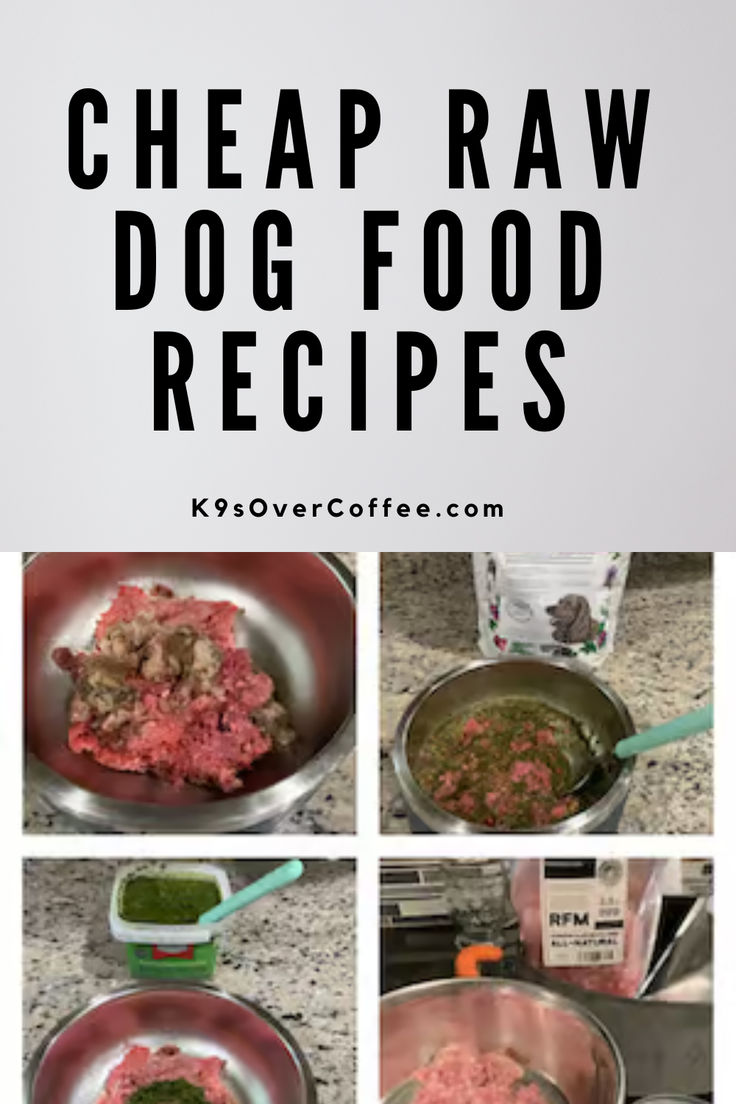
Is Homemaking Your Dog's Food Cheaper?
Pet owners are always on the lookout for the most economical and nutritious options for their furry friends. One question that often pops up is: Is it cheaper...

DIY vs Store-Bought: Is Homemade Dog Food Really Better?
In the pet care world, feeding your dog a homemade diet is a topic that sparks significant interest and debate. But is it better to make your dog's food? Let's...

Does Human Food Rot Your Dog's Teeth?
Ever wondered if your furry friend could share your sandwich? As pet owners, we often ask ourselves, "Is human food safe for my dog?" Today, we'll be diving...
DIY or Store-Bought: Is Homemade Dog Food Best?
Is it better to make your dog's food? This question is one that has sparked debate among pet owners worldwide, with both pre-made kibble and homemade meals...

Transform Your Kitchen Faster: Easy Steps to Make Your Dream Kitchen a Reality
Transforming your dream kitchen from a mere concept into reality is an exciting journey. With careful planning and the right approach, you can create a space...