Cool vs Warm Bulbs: The Ultimate Lighting Showdown
When it comes to illuminate your space, the choice between cool and warm light bulbs often presents itself. But what exactly distinguishes these two lighting options, and how can you determine which is best suited for your needs?
Understanding the difference between these two types of light bulbs begins with familiarizing yourself with their color temperature and the effect they have on lighting ambiance and perception. Delving into these factors will help you make an informed decision based on the specific requirements of your space.
Understanding Light Color Temperature
At the core of the distinction between cool and warm light bulbs lies light color temperature, measured in Kelvin (K). This scale gauges the warmth or coolness of a light source, with lower Kelvin values indicating warm light and higher values indicating cool light.


Knowing the color temperature scale allows you to choose a light bulb that matches your preferred atmosphere. However, understanding how these temperatures influence human perception is equally important. Diving into this relationship will clarify the nuances between cool and warm light bulbs.
Perception of Warm Light
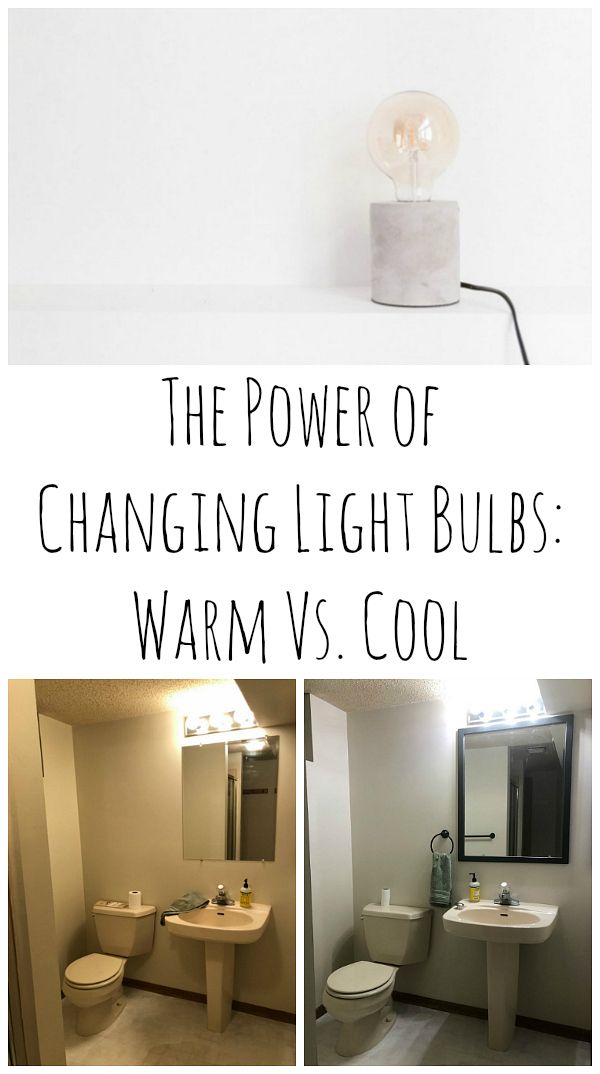
Warm light bulbs, offering light under 3000K, are often preferred for their inviting, cozy atmosphere. These bulbs emit a soft, yellowish hue reminiscent of traditional incandescent bulbs or natural sunlight during sunrise and sunset.


Bathrooms, bedrooms, and living spaces may benefit from warm lighting, as it can make spaces feel more intimate and comfortable. Particularly in colder climates, warm bulbs can evoke a sense of warmth and inviting coziness, making them a popular choice for these settings.
Perception of Cool Light
Cool light bulbs, with color temperatures above 5000K, emit a crisp, blueish light that can simulate daylight. This spectrum of light is ideal for workspaces, kitchens, and bathrooms that require sharper focus and improved visibility.
Evening and late-night activities may not be well-supported by cool light, as it can disturb circadian rhythm and interfere with relaxation. However, when designed thoughtfully, cool lighting can create modern, energetic, and vibrant environments.


Comparing Application Spaces
As discussed, color temperature plays a significant role in illuminative perception and the ambiance of a space. Translating this principle into practical application helps us determine whether cool or warm light bulbs are most appropriate for a given setting.
Consider the following examples, demonstrating the unique advantages of both cool and warm light bulbs in specific spaces.
Kitchen and Workspace Lighting
Ambient and task lighting in kitchens and workspaces should provide clear casting, enhancing visibility and circuity. Here, cool light bulbs (above 5000K) can help you achieve these goals, empowering you to cook and work more efficiently.


Across kitchens and workspaces, a blend of cool and warm lighting can create a balanced ambiance. For instance, you might incorporate cool lighting for task-based activities, such as food preparation and writing, while using warm lighting to illuminate relaxation areas like sofas or dining tables.
Bedrooms and Living Spaces
To create an atmosphere of warmth and comfort, warm light bulbs are ideal for bedroom and living spaces. Oval and Edison bulbs, with their yellowish or orange glow, can evoke a sense of tranquility.
Warm lighting is particularly useful in bedrooms, where sleep and relaxation should take priority. However, incorporating cool lighting in dedicated reading or workspaces can help you better focus on specific tasks.
Ultimately, the distinction between cool and warm light bulbs rests on the concept of color temperature. This understanding allows you to choose the best lighting solution for your needs, creating an inviting, productive, and happifying environment in your space. As you weigh the advantages of both options, consider the specific requirements of each room, balancing functionality and atmosphere for optimal illumination.
Related Articles

"Revolutionize Your Home: Smart Lighting with Linkind Bulbs"
In the realm of smart home technology, one standout innovation has been the transformation of a humble household item into a futuristic device: the smart light...

"Best Smart Bedside Light Bulbs: Ultimate Convenience and Energy Efficiency"
A well-lit bedside lamp is not only functional but also sets the ambiance for a cozy and relaxing environment. But what if you could transform your humble...

Quartz vs Granite: The Ultimate Comparison for Kitchen Sinks
Quartz and granite sinks are both popular choices among homeowners, but what sets them apart? Understanding the differences between these two materials can...

Best Light Bulbs for Bedroom: Types & Brightness
féminine lighting , creating a warm and inviting ambiance in your bedroom is crucial for relaxation and comfort. So, choosing the right type of light bulb...

Cool Kids Pick: Top Smart Light Bulbs Illuminating Smarter Homes
Welcome to the era of smart home technology, where gadgets are not just tools, but intelligent companions that make our lives easier, safer, and more...

Is Your Smart Bulb Secure?
In the digital age, smart home devices have become increasingly popular, offering convenience and energy efficiency. However, when it comes to these devices...