Cool vs Warm Light Bulbs: The Difference & Why It Matters
If you're considering a room lighting upgrade, you might be debating between cool light and warm light bulbs. But what's the real difference, and which one should you choose? Let's delve into the heart of this dilemma.
Before we dive in, it's crucial to understand that these bulbs aren't literally "cool" or "warm" in temperature. Instead, these terms refer to the color temperature, or hue, of the light emitted.
Understanding Color Temperature
Color temperature, measured in Kelvin (K), is the most crucial aspect differentiating cool and warm light bulbs. It refers to the hue of the light, ranging from warm, amber-hued light to cool, blue-hued light.


Now, let's explore the two types of light and their unique characteristics, starting with warm light.
Warm Light Bulbs
Warm light bulbs emit a soft, inviting glow that ranges between 2700K to 3000K on the color temperature scale. Think of those cozy, classic incandescent bulbs with an amber or yellowish tinge - that's warm light. It creates a comfortable, relaxing atmosphere, perfect for living rooms, bedrooms, and restaurants.


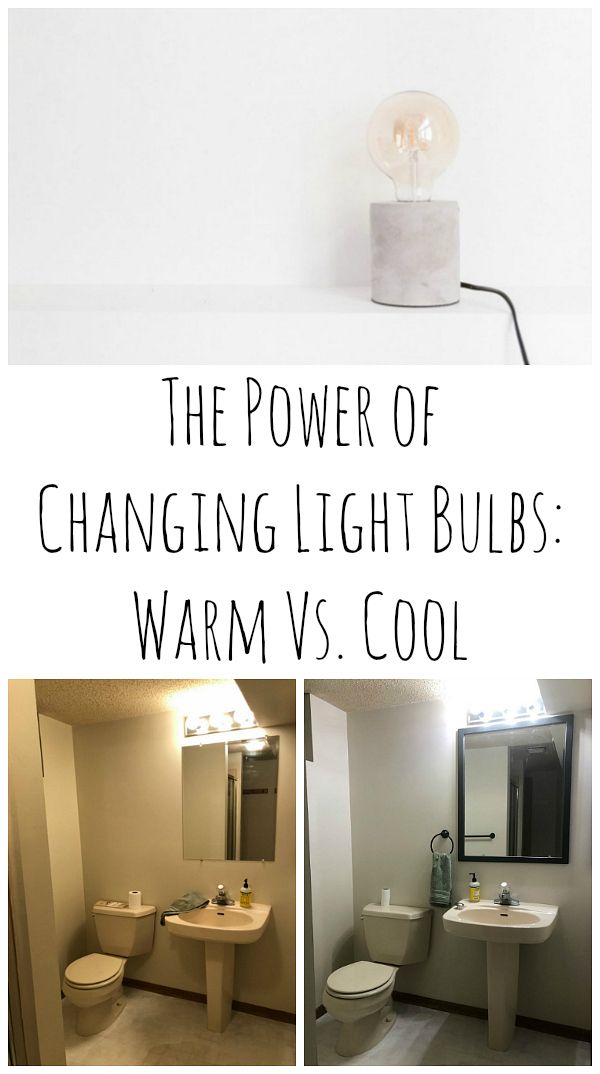
Fun fact: candles and sunrise also fall into the warm light range, further emphasizing its comforting vibe.
Cool Light Bulbs
Cool light bulbs, on the other hand, produce a crisper, more energetic light, ranging from 5000K to 6500K on the color temperature scale. This type of light mimics natural daylight, making it ideal for task-oriented spaces like offices, kitchens, and bathrooms. It can also make rooms feel more spacious and open.
Ever noticed how some people prefer reading under cool white light? That's because this type of light enhances contrast and makes text clearer,boosting reading and visual tasks.


The Impact of Light Color on Mood and Tasks
The color temperature of light can significantly impact our mood, productivity, and sleep-wake cycle. Here's a deeper look into these factors:
Mood and Atmosphere
Warm light creates a cozy, mellow atmosphere. It's perfect for relaxing spaces and can help reduce stress and stimulate conversations. Cool light, however, can seem more clinical or harsh, making it better suited for environments where full-spectrum visibility is key.
Productivity and Task Performance
Due to its enhanced visibility, cool light can boost productivity and alertness in task-heavy spaces. However, working under warm light might feel too relaxing, potentially decreasing focus and productivity.


Now, you might be wondering, is it possible to combine both cool and warm light bulbs for the best of both worlds? Absolutely! Strategic layering of warm and cool lighting can create depth, dimension, and a balance between mood and functionality in your space.
Just remember, the key to great lighting lies in understanding how different types of light make you feel and behave. So instead of.Ticking a lighting 'to-do' box, consider your unique needs and preferences, and let the lighting choice follow naturally. After all, a well-lit home is not just a brighter home - it's a more comfortable, productive, and personal one.
Related Articles

Cool Kids Pick: Top Smart Light Bulbs Illuminating Smarter Homes
Welcome to the era of smart home technology, where gadgets are not just tools, but intelligent companions that make our lives easier, safer, and more...

Key Light vs Fill Light: Spot the Difference
When it comes to studio lighting, the terms "key light" and "fill light" are often used to create the desired ambiance and guide the viewer's eye. These two...

Smart TV vs Regular TV: Key Differences & Why It Matters
In the booming world of television technology, two prominent contenders stand out: the traditional television and the increasingly popular Smart TV. Both...

Deluxe vs Premium: Unveiling the Key Differences
When booking a hotel, you'll often come across room categories like Deluxe and Premium. But what sets them apart? Let's dive into the key differences between...

Smart Vinyl vs Premium Vinyl: What's the Difference?
When it comes to high-quality vinyl, there are typically two choices that homeowners and businesses consider: smart vinyl and premium vinyl. Both offer...

Smart vs Final: Extra Insights
The choice between a smart and a smart final extra can often leave consumers puzzled, given the similarity in their names. Both are selected for use in various...