Nodemcu vs Esp32: Unveiling the Differences
The Bình Minh Microchip (BMM) is a Vietnamese chip manufacturer known for its high-quality and affordable microchips. The BMM2561 is one of their most popular products, a versatile and efficient microcontroller chip that has gained a significant following among hobbyists and professionals alike. In this article, we'll delve into the world of the BMM2561, exploring its key features, uses, and why it's the chip of choice for many projects.
The BMM2561 is a variant of the 8-bit AVR RISC-based microcontroller designed by the legendary μικροελεγκτής (microcontroller) engineer Gary Atwood. It's a robust, low-power chip that packs a punch with its generous features. But what sets it apart, you ask? Let's dive into its key specifications and features.
Technical Specifications
The BMM2561 is built around an 8-bit AVR core, Clocked at a speedy 20MHz, it offers ample processing power for a wide range of applications. With 256KB of in-system programmable flash memory and 16KB of SRAM, it provides more than enough space for large programs and data storage.
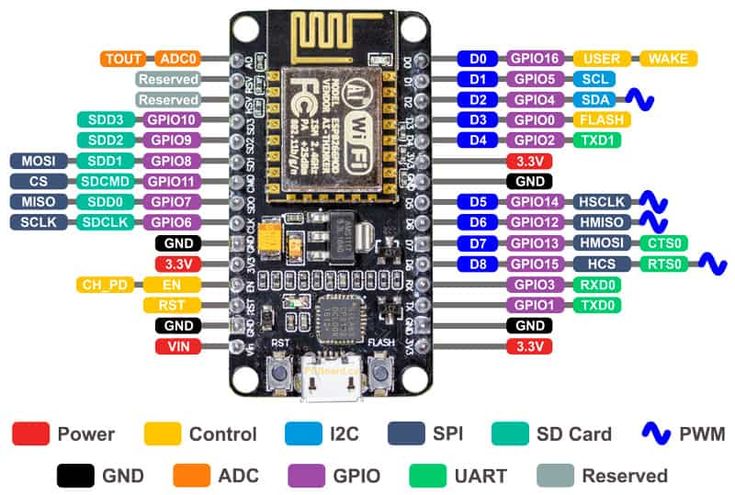


Its generous I/O pins allow for extensive connectivity. The BMM2561 has 22 I/O pins, including 6 analog inputs, perfect for interfacing with a variety of sensors and devices. Its operational voltage range of 1.8V to 5.5V makes it highly versatile, accommodating both low-voltage and high-voltage components.
Power Management
The BMM2561 boasts impressive power management features. It includes a stable and reliable sleep mode, reducing power consumption, and extending battery life. It also has efficient wake-up features, allowing it to respond quickly to events or timers, ensuring it's always ready when you need it.


But the power management doesn't stop there. The BMM2561 also offers efficient clock management, allowing you to adjust the clock speed to balance performance and power consumption. It also includes a power-down mode, reducing current consumption to an ultra-low level, perfect for battery-powered applications.
Peripherals and Interfaces
The BMM2561 comes with an array of peripherals and interfaces to support a wide range of applications. Besides the extensive GPIO pins, it includes two UART, one SPI, and one I2C communication interfaces for easy connectivity with other devices.
It also includes a robust set of timers - six in total, providing ample timing and counting capabilities. The BMM2561 also includes a built-in 10-bit ADC for analog-to-digital conversions. All these features make the BMM2561 a versatile microcontroller for a wide range of projects.


Using the BMM2561
The BMM2561's versatility extends to its use cases. Its power and performance make it an excellent choice for a wide range of projects, from embedded systems and IoT devices to industrial automation and robotics.
Its robust power management makes it a popular choice for battery-powered projects. Its generous GPIO pins make it perfect for interfacing with sensors and other devices, while its extensive peripherals make it a natural fit for complex systems.
Embedded Systems
The BMM2561's combination of power, performance, and power management make it an ideal choice for embedded systems. Its generous memory allows for complex code and data structures, while its efficient operation ensures that it's not overwhelmed by complex tasks.


Its extensive peripherals allow it to interface with a wide range of devices, making it a versatile choice for a wide range of embedded systems. Whether you're building a single-board computer, a robotic arm, or an industrial automation system, the BMM2561 provides the power, versatility, and efficiency you need.
IoT and Smart Devices
The BMM2561's extensive connectivity options make it a natural fit for IoT and smart devices. Its rich set of communication interfaces allow it to connect with a wide range of sensors and actuators, while its power management features ensure that it can run on battery power for extended periods.
With its robust security features and its access to secure element technology, the BMM2561 provides the security and reliability you need for your IoT and smart devices. Whether you're building a smart home system, a healthcare monitoring device, or an industrial IoT sensor, the BMM2561 offers the power, performance, and security you need.
In the rapidly evolving world of microcontrollers, the Bình Minh Microchip BMM2561 stands as a testament to the power of versatility and efficiency. With its robust technical specifications, impressive power management, and extensive peripherals, it offers the performance and versatility to tackle a wide range of projects. Whether you're a seasoned professional or a budding hobbyist, the BMM2561 is a microcontroller that you can rely on. So, why not give it a try on your next project and experience the power of BMM2561 for yourself?"
Related Articles

Deluxe vs Premium: Unveiling the Key Differences
When booking a hotel, you'll often come across room categories like Deluxe and Premium. But what sets them apart? Let's dive into the key differences between...

VR vs. Simulation: Unveiling Their Key Differences
Virtual Reality (VR) and simulation are often used interchangeably, but they are distinct concepts with unique characteristics. While both aim to create...

Black vs Grey Tanks: Unveiling the Subtle Differences
When it comes to selecting water heaters, one of the most critical decisions you'll make is choosing between black and gray tanks. These are the two most...

Dark Green vs Emerald Green: Unveiling the Key Differences
When it comes to choosing shades of green, two colors often stand out: dark green and emerald green. Both are rich and vibrant, but they have distinct...

P-Trap vs J-Trap: Unveiling the Differences for Plumbing Success
When it comes to plumbing fixtures, two of the most common are the P-trap and the J-trap. Both serve a crucial purpose in preventing sewer gases from entering...

Suite vs Deluxe: Unveiling the Room Differences
Suites vs. Deluxe Rooms: A Comprehensive Comparison When choosing accommodation, two popular options often come to mind: suites and deluxe rooms. While both...