Warm vs. Cool Light Bulbs: The Key Difference
When considering home or office lighting, you may come across terms like "warm light" and "cool light." But what exactly do these terms mean, and how do they differ? Understanding the difference between warm light and cool light bulbs is crucial for creating the right atmosphere, enhancing aesthetics, and even influencing productivity. Let's delve into the world of lighting and explore these two types of bulbs.
At the heart of this discussion lie two key factors: color temperature and the color rendering index (CRI). Both play significant roles in determining the type of light a bulb emits. Let's dive into each factor, starting with color temperature.
Color Temperature: The Backbone of Light Bulb Types
Color temperature is a scientific measurement of how warm or cool a light source appears, usually expressed in Kelvin (K). Lower values indicate a warmer, yellower light, while higher values mean a cooler, bluer light. This concept is closely related to the color rendering index, our next topic.


Understanding color temperature isn't just about knowing the numbers; it's about understanding the psychology behind these light types. Warmer light can create inviting, cozy atmospheres, while cooler light can stimulate and energize.
Warm Light: A Cozy Welcome
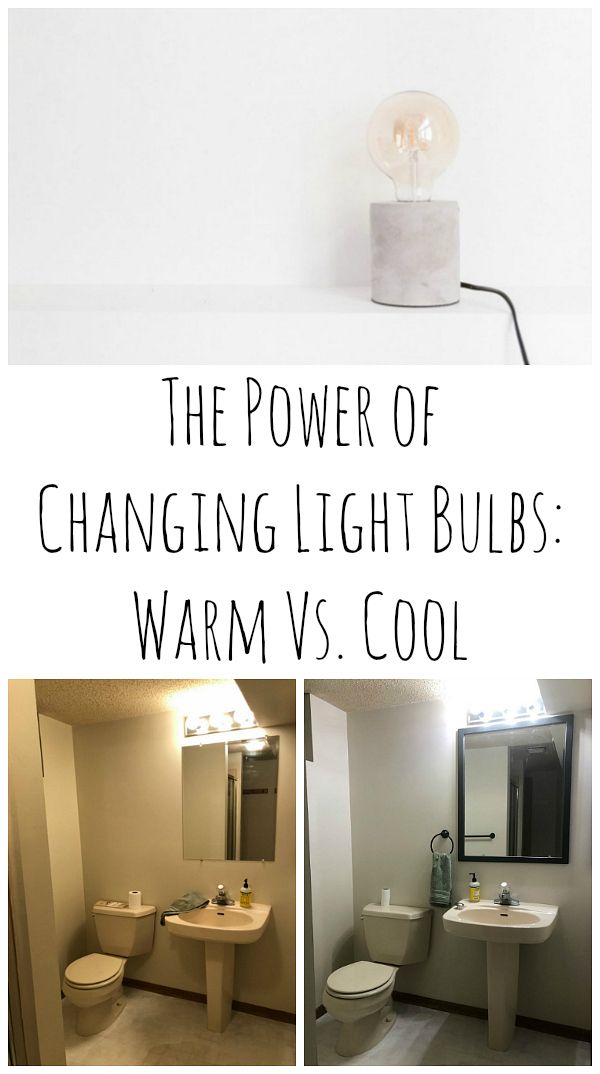
Warm light bulbs typically fall between 2700K to 3000K. These lights emit a soft, yellowish-white hue, similar to classic incandescent bulbs and traditional sunset lighting. They are ideal for creating a relaxing, homey atmosphere in living rooms, bedrooms, and dining areas. Warm light is also great for accent lighting, such as task lighting on bedside tables or underneath kitchen cabinets.


Some popular warm light bulb options include LED Edison-style bulbs, such as the Philips 428875A/96 and the GE Profile LED Bulb. These bulbs mimic the traditional incandescent look while providing the energy efficiency and longevity of LED technology.
Cool Light: Stimulating and Vigilant
Cool light bulbs have higher color temperatures, ranging from 3500K to 5000K. These lights emit a crisp, bright, almost blueish-white light, similar to natural daylight. Because cool lights can help stimulate the mind and keep you awake, they are perfect for workspaces, offices, and areas where you need to stay focused and alert, like kitchens, bathrooms, and garages.
Some excellent choices for cool light include LED bulbs like the Sylvania Ultra LED (50741) and the Cree Connected LED Bulb. Both offer the bright, energizing light you'd expect from cool light while also boasting impressive energy efficiency.


Color Rendering Index: Bringing Colors to Life
The color rendering index (CRI) measures the ability of a light source to reveal the colors of objects accurately, compared to a reference light source. In other words, the CRI tells us how well a light bulb renders colors. The higher the CRI, the more natural and vivid colors appear.
The CRI is essential, especially in spaces where accurate color representation is crucial, such as art studios, fashion boutiques, and even your own home when you're a keen photographer or a budding interior designer.
Warm Light and CRI
Warm light bulbs generally have a higher CRI, often between 80-90. This is because they use more red and orange hues, which are essential for revealing the full spectrum of colors. To find warm light bulbs with excellent CRI, consider options like the Philips Hue A19 White (500601) or the GE C-Life A19 (12558).


One notable exception is some vintage-style LED bulbs, which may have lower CRIs due to technological limitations. Always check the product specifications before purchasing.
Cool Light and CRI
Cool light bulbs typically have lower CRIs, sometimes as low as 70. However, many high-quality cool light bulbs, especially LEDs, now offer improved CRIs up to 90. When shopping for cool light bulbs, look for products with high CRI ratings to ensure accurate color representation. Excellent options include the Sylvania Ultra LED (48842) and the Philips 465496 LED Bulb.
While cool light may not reproduce colors as accurately as warm light, the bright, energizing light it provides can sometimes compensate for this, making it a practical choice for many spaces.
Now that you understand the differences between warm light and cool light bulbs, you can make more informed decisions about your lighting needs. Whether you're looking to create a relaxing, inviting atmosphere or stimulating, productive environment, there's a perfect light bulb out there for you. So, go ahead and explore the world of lighting, and let the right light transform your spaces. Happy illuminating!
Related Articles

Cool Kids Pick: Top Smart Light Bulbs Illuminating Smarter Homes
Welcome to the era of smart home technology, where gadgets are not just tools, but intelligent companions that make our lives easier, safer, and more...

Key Light vs Fill Light: Spot the Difference
When it comes to studio lighting, the terms "key light" and "fill light" are often used to create the desired ambiance and guide the viewer's eye. These two...

Deluxe vs Premium: Unveiling the Key Differences
When booking a hotel, you'll often come across room categories like Deluxe and Premium. But what sets them apart? Let's dive into the key differences between...

Smart Vinyl vs Premium Vinyl: What's the Difference?
When it comes to high-quality vinyl, there are typically two choices that homeowners and businesses consider: smart vinyl and premium vinyl. Both offer...

Smart vs Final: Extra Insights
The choice between a smart and a smart final extra can often leave consumers puzzled, given the similarity in their names. Both are selected for use in various...

Do Smart Bulbs Require Light Switch?
Smart bulbs have undeniably revolutionized our living spaces, offering a plethora of enticing features like customizable lighting, scheduling, and voice...