Exploring Various Types of Light Switches & Their Names
Light switches, an essential component of our daily lives, come in various types and designs, each serving a unique purpose. Whether you're a homeowner looking to upgrade your electrical fixtures or a professional electrician tasked with installations, understanding the different types of light switches and their names is crucial. This guide will delve into the world of light switches, exploring their classifications, key differences, and applications.
Light switches can be categorized into two broad groups: single-pole and three-way switches. Single-pole switches are the most common, controlling lighting fixtures between an 'on' and 'off' position. Three-way switches, on the other hand, are used when a light is controlled from multiple locations, such as at the top and bottom of a staircase.
Single-Pole Light Switches
Single-pole light switches are the simplest and most widely used. They are characterized by a single switch that controls the power to a light fixture. Typically, these switches are used in closets, bedrooms, and other single-circuit scenarios.

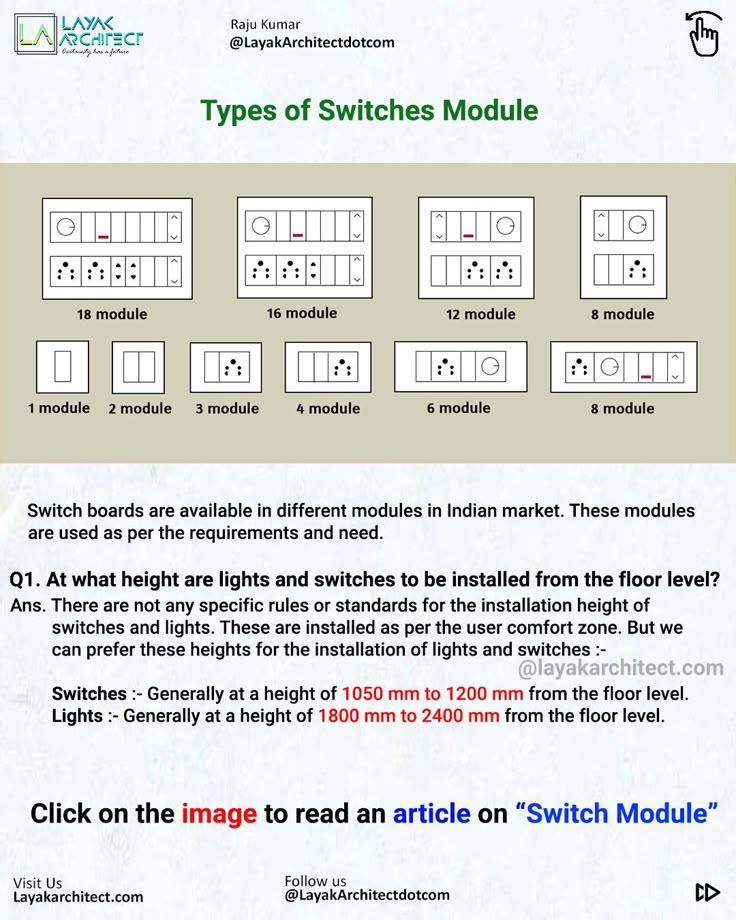

The primary types of single-pole light switches are:
- Basic Single-Pole Switch: This is the standard toggle switch, featuring a single toggle that pushes up to turn the light on and down to turn it off.
- Rocker Switch: Similar to the toggle switch, the rocker switch uses a rocker mechanism for operation, eliminating the possibility of accidental switches due to leaning against the switch.
- Momentary Switch: This switch, often used in vanity lights or under-cabinet fixtures, remains on only as long as you hold down the button.
Switches with Additional Features
Beyond the basic designs, single-pole switches can encompass additional features to cater to specific needs:


- Decora-style Switches: A more decorative option, these switches feature flat, snap-in covers with various design options.
- Paddle Switches: Often used in commercial settings, paddle switches provide a smooth, flush surface with no moving parts, enhancing safety and cleanliness.
- Lighted Switch: Incorporating an integrated nightlight, these switches illuminate the area around the switch when in the 'off' position, providing a useful reference point in the dark.
Light Switches with Timers and Sensors
For added convenience, modern light switches frequently integrate timers and motion sensors:
- Timed Switches: Automatically turning lights on and off at set times, these switches are ideal for outdoor lighting or in empty rooms to maximize energy efficiency.
- Motion-activated Switches: Utilizing passive infrared (PIR) sensors, these switches detect motion to turn lights on and off, making them perfect for hallways, bathrooms, and other frequently used areas.
Three-Way Light Switches
Three-way light switches, as the name suggests, allow control of a light from two distinct locations – a unique feature that expands flexibility and ease of use.
The key components of a three-way switch setup are:


- Three-Way Switches (2): These switches, identical in appearance to single-pole switches, are wired in series to control a light fixture together.
- Traveler Wires (2): These wires carry power back and forth between the two three-way switches.
- Ground Wire: Essential for safety, the ground wire routes any electrical current that might otherwise flow to earth.
- Line Wire (1): This wire carries the electrical supply to the switch.
- Load Wire: The load wire feeds power to the light fixture, completing the circuit.
Common Applications of Three-Way Switches
Three-way switches are particularly useful in the following scenarios:
- Staircases: Controlling the lighting from both the top and bottom of a staircase.
- Hallways: Managing lighting at both ends of a hallway, such as in a bedroom connected to a bathroom.
- Large Rooms: Ensuring accessibility to light controls, such as in a living room connected to a dining area.
The world of light switches may seem overwhelming at first, but understanding the basics and familiarizing yourself with the various types will empower you to make informed decisions when it comes to selecting and installing switches in your home or property. By delving into the intricacies of single-pole and three-way switches, you've taken the first step in enhancing your electrical knowledge and ensuring your home remains safe, efficient, and functional.


Related Articles

Exploring Various Types of Kitchen Utensils and Their Usage
The heart of every home, the kitchen is where delicious meals come to life, and no culinary journey is complete without the help of an array of essential...

Lamps Unveiled: Exploring Various Types and Their Names
Illuminate any space with the right lighting, and you'll transform its ambiance, productivity, and aesthetics. Choosing the right lamp, however, can be quite...

Unveiling the Versatile World of Smart Devices: Exploring Various Types and Their Uses
The proliferation of smart devices in our homes and daily lives has been a transformative phenomenon, seamlessly integrating technology into our routines and...

Diverse Solar Lighting: Exploring Various Outdoor Solar Light Types
Embracing the power of the sun, outdoor solar lights have emerged as an eco-friendly and cost-effective alternative to traditional lighting solutions. By...

Explore Various Types of Smart Lighting: A Comprehensive Guide
In the realm of connected home devices, smart lighting has emerged as one of the most popular and practical innovations. These intelligent lights go beyond...

Exploring Various Lodging Properties: A Comprehensive Guide
Choosing the perfect accommodation for your travels involves exploring a variety of lodging options, each with its unique charm and advantages. From...