"Pitfalls of Hybrid Energy: Weighing the Disadvantages
While the transition towards hybrid energy systems offers numerous benefits such as reduced dependence on fossil fuels and increased energy efficiency, it's crucial to acknowledge the potential disadvantages. This article explores the lesser-known challenges, helping consumers and stakeholders make informed decisions.
Hybrid energy systems combine multiple sources to create a more reliable and sustainable power supply. However, these systems come with their own set of complexities that can hinder their widespread adoption and efficiency.
Complexity and High Initial Cost
One of the primary disadvantages of hybrid energy systems is their complexity. Integrating multiple energy sources like solar, wind, and battery storage requires rigorous coordination and sophisticated technology. This increased complexity can lead to higher installation and maintenance costs.


Moreover, the upfront investment for these systems can be significant. The cost of solar panels, wind turbines, and advanced energy storage systems can be prohibitive for many households and businesses. Although long-term savings are possible, the substantial initial outlay can be a barrier to adoption.
Intermittency and Efficiency Losses
Many renewable energy sources, such as solar and wind, are intermittent. They depend on weather conditions and time of day, which can lead to unpredictable power generation. Hybrid systems aim to mitigate this issue by incorporating energy storage, but the efficiency of this process isn't perfect.


For instance, when excess energy is stored in batteries, some energy is lost during the conversion from direct current (DC) to alternating current (AC) and back. This results in decreased overall efficiency and potential waste of valuable renewable energy.
Storage Challenges
Energy storage is integral to hybrid energy systems, but it presents its own set of challenges. Batteries have a limited lifespan and degrade over time, leading to potential failure and costly replacements. Furthermore, the disposal and recycling of batteries at the end of their life pose environmental concerns.
Another challenge is the scalability of energy storage. While small-scale storage solutions are suitable for household systems, large-scale storage for grid-level applications is technically demanding and currently limited by available technology and affordability.


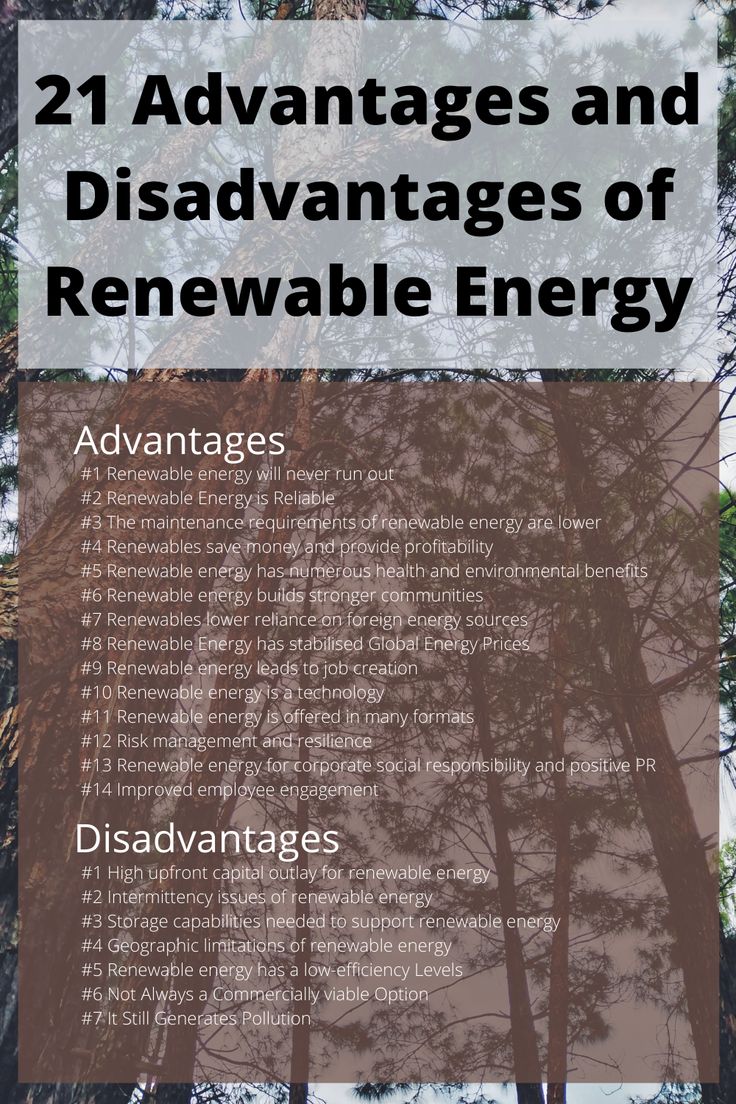


Grid Integration and Regulatory Hurdles
Integrating hybrid energy systems into the existing power grid can be challenging. The variability of renewable energy sources poses unique operational and dispatching problems for grid managers. This can lead to increased grid instability and potential blackouts if not managed properly.
The regulatory environment surrounding hybrid energy systems can also present obstacles. Utility NEM (net energy metering) policies, grid connection fees, and other regulations can discourage the adoption of hybrid systems or make them less economically viable.
Safety and Structural Concerns
Hybrid energy systems consist of multiple components, each with its own safety considerations. Solar panels can pose fire risks, while wind turbines haverological hazard potential. Additionally, battery fires and explosions have occurred occasionally, demonstrating the need for rigorous safety measures.


Structural concerns are another factor. The construction of hybrid systems often requires sturdy foundations, making them less suitable for certain terrains. This can limit the geographic reach and potential scale of hybrid energy systems, particularly for remote or mountainous regions.
In light of these disadvantages, it is crucial to continue innovating and improving hybrid energy systems. As research and development progress, addressing these challenges will become increasingly manageable. By remaining aware of the limitations and working towards solutions, we can foster a more sustainable and reliable energy future.Related Articles

Weighing the Pros & Cons: A Comparative Guide to Hybrid Inverters
Embracing renewable energy sources increasingly demands an in-depth understanding of the available tools. The hybrid inverter, a pivotal component in many...

Hybrid's Hidden Pitfalls: Key Disadvantages to Consider
Hybrid vehicles, renowned for their improved fuel efficiency and reduced emissions, are increasingly popular. However, they're not devoid of drawbacks, which...

RFID Smart Lock: Weighing the Pros and Cons
In today's digital age, convenience and security have become intertwined, particularly in the realm of home and business access management. RFID smart locks...

Pros and Cons of Smart Cities: Weighing Advantages and Disadvantages
Smart cities, powered by IoT, AI, and data analytics, promise a future where urban infrastructure is efficient, sustainable, and responsive to its inhabitants'...

Smart Watch Pros & Cons: Weighing the Advantages & Disadvantages
Embarking on the quest for a new wearable device? You're not alone. The market is flooded with choices, among them the increasingly popular smartwatch. But...

Modular Kitchen: Weighing Pros and Cons
The concept of modular kitchens has gained significant traction in recent years, offering homeowners a flexible, sleek, and customized culinary space. But what...