"Weigh In: Do You Need a Food Scale for Sourdough Success?"
Embarking on a sourdough bread-making journey is an exciting venture, but it inevitably brings up the question: Do I really need a food scale for this? After all, baking this type of bread has been done for centuries without one. Let's delve into the intricacies of sourdough making and find out how a food scale can enhance your bread-making experience.
Sourdough baking, with its rich history and unique flavor, captivates both beginners and seasoned bakers. While it's true that our predecessors managed without precise measurements, employing modern tools like a food scale significantly improves consistency and understanding of the process.
Understanding the Role of Precision in Sourdough Making
Sourdough bread relies on a delicate balance of ingredients and processes. A food scale helps you achieve this balance, ensuring your loaves turn out consistently well.


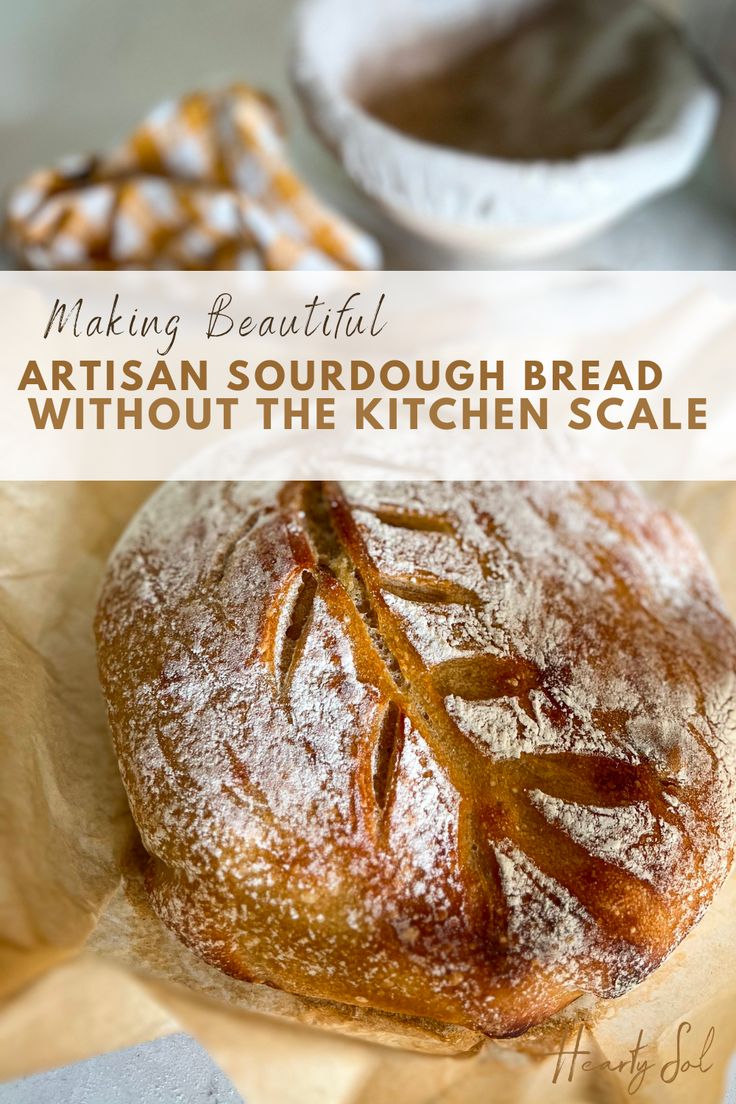
It's not just about the initial ingredients; throughout the process, from feeding your starter to checking its readiness, precise measurements safeguard against under- or over-fermentation, both of which can lead to disappointing results.
Starter Management
Your sourdough starter is the heart of your bread. To maintain a healthy starter, you need to feed it with precise amounts of flour and water. A food scale ensures you consistently feed your starter the same ratio, helping it remain robust and reliable.


Moreover, accurately measuring the discard (fed batter removed from the starter) used in your dough gives you better control over its hydration and final texture.
Dough formulation
Even slight variations in ingredient ratios can drastically change the outcome of your sourdough bread. A food scale helps eliminate guesswork by providing exact measurements, enabling you to refine your techniques and gain predictable results.
When formulating your dough, it's crucial to maintain the exact flour-to-water (or flour-to-liquid) ratio for your desired dough consistency. A food scale enables you to replicate this ratio consistently, leading to uniform bread texture and rise.


The Impact of Variable Ingredients
Food scales can be particularly beneficial when working with variable ingredients, such as different types of flour or water with varying mineral content.
Each type of flour has unique properties, and a food scale helps you control their influence on your dough. Similarly, mineral content in water can affect fermentation and final bread quality. By using a food scale, you can monitor these variations and adjust your approach accordingly.
Adapting to Climate and Ingredients
Climatic conditions and ingredient quality can significantly impact sourdough fermentation and thus, the final bread. A food scale aids in adjusting ingredient ratios or fermentation times to counterbalance these variables, helping you achieve consistent results.


For example, during winter, when fermentation is slower, you might need to increase the amount of water or extend the fermentation time. In contrast, during summer, when fermentation is faster, you might need to reduce water or shorten fermentation time. A food scale helps you maintain balance in these fluctuations.
Investing in a food scale doesn't transform you into a sourdough master overnight, but it certainly aids in the learning process. It encourages you to experiment and understand the effects of ingredient variations, fostering a deeper appreciation for the craft. So, while it might not be an absolute necessity, a food scale is a valuable tool that can elevate your sourdough game. Happy baking!
Related Articles

Mastering Sourdough: Can I Bake Without a Kitchen Scale?
Baking sourdough bread seems like a daunting task, reserved for professional bakers or enthusiasts with an arsenal of specialized equipment. But you might be...
Do You Need a Scale to Bake Sourdough Bread?
Every baker, from professional to amateur, wants to produce the perfect loaf. When it comes to sourdough bread, a common question is, "Do I really need a...
Need A Food Scale For Sourdough?
Embarking on a sourdough journey can be an exciting and rewarding experience, but it's natural to wonder if you really need a food scale to make this artisan...
Do You Need a Food Scale for Perfect Sourdough?
Are you on the cusp of embracing sourdough baking but find yourself wondering, "Do I really need a food scale for sourdough?" Let's delve into this question...
Do I Need a Scale for Sourdough Bread?
Wondering if you really need a scale for making sourdough bread? You're not alone. Many first-time bakers are tempted to skip the scale, believing they can...
Need A Food Scale For Sourdough Starter?
When embarking on the journey to bake your own sourdough bread, the question naturally arises: Do I really need a food scale for sourdough starter? The short...