LED Lights: Do They Consume Less Electricity?
The topic of energy efficiency often brings us to consider the environmental impact of our daily habits and the devices we use. One such device that has gained significant popularity in recent years is LED lighting, leaving many to wonder: do LED lights consume electricity?
Before delving into the energy usage of LED lights, let's briefly explore the evolution of lighting technology. Traditional incandescent bulbs were the dominant form of lighting until the advent of compact fluorescent lights (CFLs) and later, light-emitting diodes (LEDs). Each iteration promised improved energy efficiency, and LEDs have proven to be the most efficient yet.
LED Lights vs Traditional Lighting
To understand if LED lights consume electricity, we must compare them to their predecessors.


Incandescent bulbs are notoriously inefficient. They convert only 5% of the energy they consume into light, with the rest being wasted as heat. CFLs, while more efficient than incandescent lights, still consume more energy than LEDs and contain toxic mercury.
LEDs: The Efficient Alternative
LED lights, however, are a significant improvement. They convert 95% of the energy they consume into light, making them one of the most electricity-efficient lighting options available today.


LEDs not only consume less electricity but also last much longer. While incandescent bulbs typically last 1,000 hours and CFLs 10,000 hours, LEDs have a lifespan of 50,000 hours or more. This durability further reduces the overall electricity usage, as less energy is needed to replace burned-out bulbs.
LEDs and Dimmability
One common concern regarding LEDs is their ability to dim. However, high-quality LED bulbs are now dimmable, negating this potential issue. Dimmable LEDs provide the convenience of adjusting light intensity while still maintaining their energy efficiency advantage.
Surprisingly, turning off a dimmable LED does not save energy, as they consume almost no power when off. This is crucial to know, as leaving lights on can significantly increase electricity usage over time.


LED Efficiency Standards and Initiatives
To ensure consumers reap the full benefits of LED technology, various organizations have implemented efficiency standards and initiatives.
For instance, the European Union's EnergyLabel has been promoting energy-efficient LEDs since 2011. The U.S. Department of Energy, through its Lighting Facts program, helps consumers make informed purchases by providing detailed performance data on LED light bulbs.
LEDs in the Future
The future of LEDs looks promising. Innovations like organic LEDs (OLEDs) and quantum dots promise even greater efficiency and versatility. As these advancements become mainstream, electricity consumption related to lighting can be expected to decrease further.


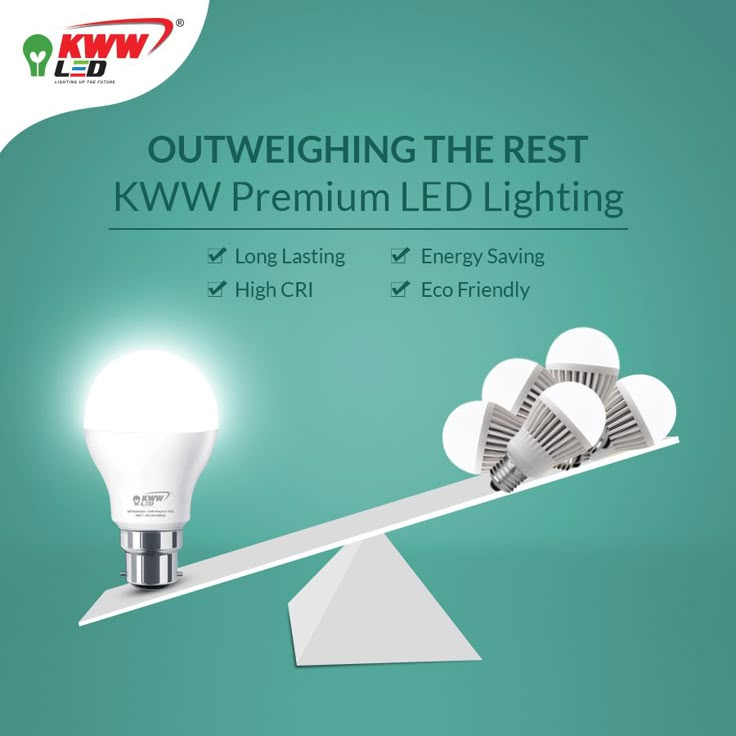


Moreover, as the costs of LEDs continue to fall, more people are switching to this energy-efficient option. According to the U.S. Department of Energy, widespread adoption of LED lighting by 2025 could achieve a total yearly reduction in electricity savings of 5 percent.
Conclusion and Buying Tips
So, do LED lights consume electricity? While they do use energy, they do so highly efficiently. Transitioning to LED lighting from traditional bulbs can result in significant electricity savings and considerable environmental benefits. When buying LEDs, look for the 'Energy Star' label to ensure you're getting a quality, efficient product.
Adopting LED lighting is a small but meaningful step towards building a more sustainable future. By minimizing our electricity consumption, we not only save on our utility bills but also contribute to the preservation of our planet.
Related Articles

"Fairy Lights Electricity Use: How Much Do They Consume?"
Tucked away in our coffee tables, around Christmas trees, or even adorning our patios, strings of fairy lights - also known as twinkle lights or miniature...
Do LEDs Consume Less Electricity than Bulbs?
When considering the energy efficiency of lighting options, many homeowners and businesses often wonder, "Do LED lights use less electricity than traditional...

Do Smart Lights Increase My Electricity Bill?
One of the rising questions in the realm of smart home technology is whether smart lights consume a lot of electricity, potentially offsetting their...
Do Smart Lights Consume More Electricity?
Smart lights have become increasingly popular in recent years, drawing both admiration for their aesthetic appeal and convenience, and concern about their...

LED Savings: How Much Less Electricity Do LED Lights Use?
In the ongoing quest to save on energy bills and reduce our environmental impact, one question often arises: Do LED lights really consume less electricity than...
"LED Bulbs: Why They Use Less Electricity"
In the quest for energy efficiency, a question that often arises is: do LED bulbs use less electricity than their traditional counterparts? The answer is a...