Do LED Lights Consume More Electricity?
LED lights have gained significant popularity in recent years due to their energy efficiency and long lifespan. However, a common question that arises is whether they consume more electricity than traditional incandescent or fluorescent lights. The answer is complex and depends on various factors. Let's delve into the energy consumption of LED lights in detail.
LED lights, or Light Emitting Diodes, produce light using semiconductors. This process is much more efficient than traditional incandescent bulbs, which convert only 5% of their energy into light, wasting the rest as heat. Meanwhile, compact fluorescent lamps (CFLs) are more efficient, converting around 10-15% of their energy into light. So, where do LED lights stand?
LED Efficiency Compared to Traditional Lights
LED lights stand out in terms of energy efficiency. They can convert up to 20% of their energy intake into light, signifying a significant improvement over both incandescent and CFL bulbs. This high efficiency contributes to their superior lifespan and lower electricity bills.


However, the amount of electricity consumed by an LED light is not just about efficiency. It's also about the wattage, which indicates the amount of electricity the light bulb or fixture draws. Let's break down this aspect further.
Wattage Differences
The wattage of a light refers to its power consumption. A higher wattage indicates that the light consumes more electricity. LED lights often have lower wattage than incandescent and CFL bulbs that produce the same amount of light. For instance, an LED bulb that produces 800 lumens might have a wattage of 12W, compared to a 60W incandescent bulb or a 13W CFL bulb.


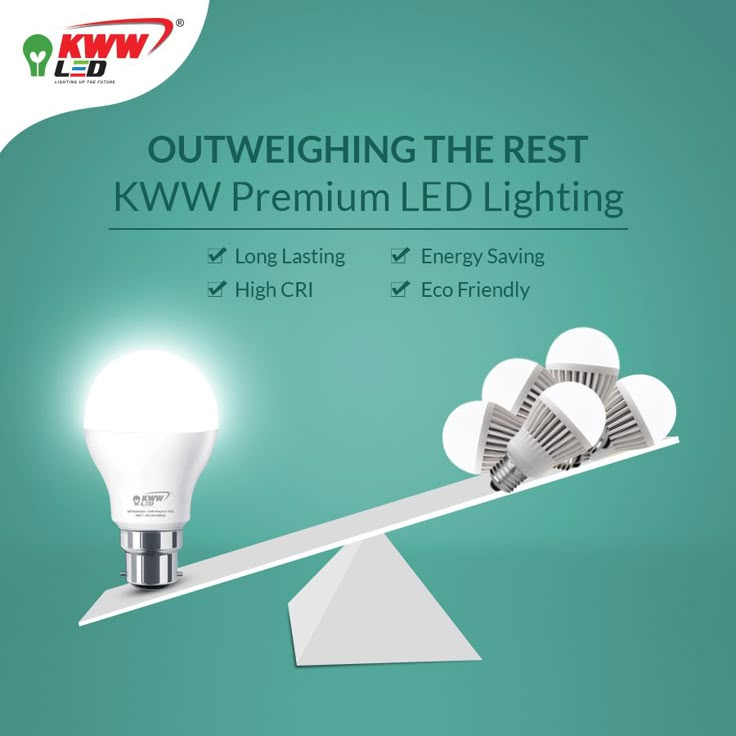
But what does this mean for electricity consumption? A 12W LED light consumes less electricity than an 60W or 13W light, regardless of the number of hours it's used. Over a year, using the same light for 10 hours a day, an 12W LED would consume less energy than a 60W incandescent or a 13W CFL.
Республики DG Najim
It's essential to consider the power factor as well. The power factor is a measurement that accounts for the quality of electricity used by a device, with values ranging from 0 to 1. Here, 1 signifies optimal electricity use. LED lights typically have a high power factor, meaning they use electricity efficiently.
Moreover, LED lights are dimmable and can be paired with motion sensors or timers, allowing you to control their usage. This further contributes to their energy-saving potential.


Long-term Cost Savings with LED Lights
Although LED lights might require a higher initial investment compared to CFLs, their energy savings over time can lead to significant cost benefits. LED bulbs can last up to 25 times longer than incandescent bulbs and three times longer than fluorescent bulbs, reducing the need for frequent replacements.
Furthermore, their high efficacy and ability to be used in a wide range of applications make them suitable for residential, commercial, and industrial settings.
Environmental Impact
The environmental benefits of LED lights are also significant. They produce less CO2 compared to traditional lighting options, helping to reduce your carbon footprint. Additionally, LEDs do not contain mercury, unlike CFL bulbs, making them safer for the environment.


Lastly, LED lights emit very little heat, ensuring a safe and cool environment, regardless of usage. This is particularly beneficial in high-usage or enclosed spaces.
In essence, while LED lights initially consume a bit more electricity than traditional lights due to their superior efficiency, their long-term energy savings and environmental benefits make them the smarter choice in the long run. So, if you're looking to reduce your energy bills and environmental impact, switching to LED lights is a practical and responsible decision.
Related Articles

Do Smart Lights Consume More Electricity?
Smart lights have become increasingly popular in recent years, drawing both admiration for their aesthetic appeal and convenience, and concern about their...

Are Fairy Lights Energy Efficient?
Ever wondered if those twinkling fairy lights that transform your home into a magical wonderland during the holidays are secretly draining your power supply?...
Do Smart Lights Consume More Electricity?
Smart lights have been gaining traction in recent years, offering convenience, customization, and potential energy efficiency. However, a common concern among...

Frequently Asked: Do Flashing Lights Really Consume More Electricity?
Ever wondered if those flashy lights at clubs or music festivals consume more electricity than regular lighting? You're not alone. The dazzling displays can...

Do Smart Devices Consume More Electricity?
In the digital age, smart devices have become ubiquitous, offering convenience and efficiency in our daily lives. Yet, one pressing question persists: do these...
Do Smart Lights Increase My Electricity Bill?
One of the rising questions in the realm of smart home technology is whether smart lights consume a lot of electricity, potentially offsetting their...