Electric Switch Comparison: Top Models for Your Home
When it comes to powering our homes and businesses, the choice between traditional and electric switches has never been more beeinflussen. With increasing awareness and concern over energy efficiency and sustainability, electric switches are fast becoming the go-to choice. But which type of electric switch suits your needs best?
A comparison of electric switches reveals a range of options, each with its unique advantages. Let's delve into the world of electric switches, exploring their types, uses, and benefits, to help you make an informed decision.
Understanding Electric Switches: Types and Uses
Electric switches are indispensable devices that control the flow of electricity in our circuits. They come in various shapes and sizes, each designed to serve a specific purpose. Two primary categories of electric switches dominate the market: manual and automatic.
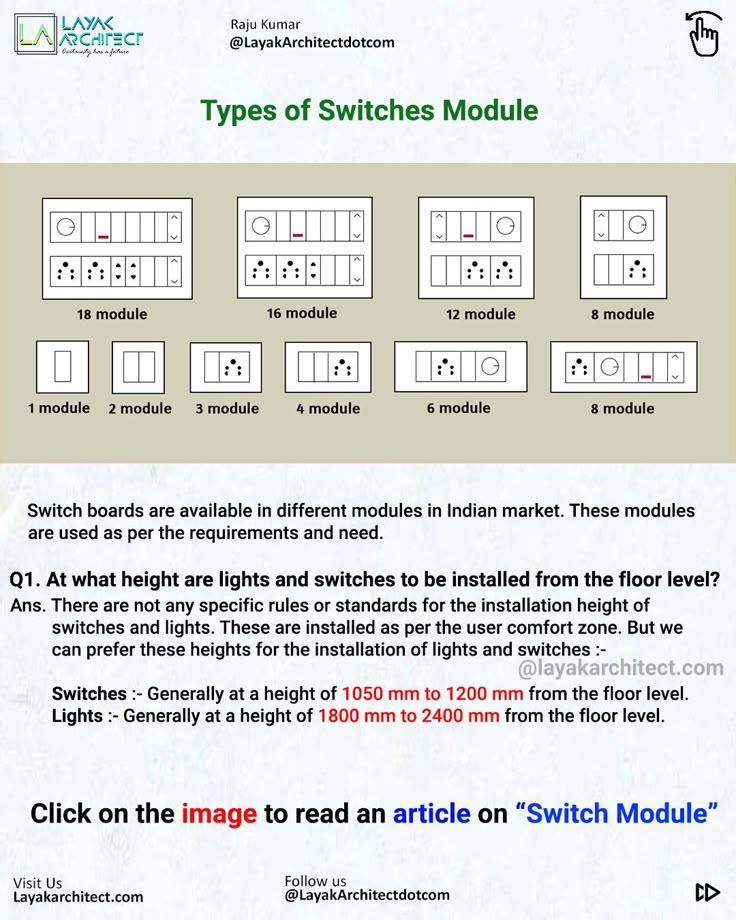


Manual switches, as the name suggests, require human intervention to operate. They include toggle switches, rocker switches, and push-button switches. Automatic switches, on the other hand, function independently, triggered by internal or external phenomena, such as temperature changes or light levels. They encompass devices like thermostats, photoelectric switches, and motion sensors.
Toggle Switches: Classic and Versatile
Toggle switches, characterized by their blade-like lever, are among the most common types of electric switches. Their simple, robust design makes them suitable for a wide range of applications, from controlling lights to operating appliances. Toggle switches can be single-pole (SPST) or double-pole (DPST), controlling one or two separate circuits simultaneously.


Despite their simplicity, toggle switches offer multiple configurations, including 3-way and 4-way switches for complex lighting arrangements. However, they lag behind other switch types in the race for energy efficiency and convenience.
Push-Button and Rocker Switches: Modern and Convenient
Push-button and rocker switches embody modern design aesthetics while offering superior functionality. Push-button switches, as the name suggests, operate by pressing down on a button, which pops back up after release. They are commonly used in appliances, like washing machines and microwaves, due to their resistance to accidental activation.
Rocker switches, featuring a lever that tilts to one side, offer a more ergonomic and intuitive user experience. They are favored in modern homes for their sleek appearance and easy operation. Both push-button and rocker switches come in numerous configurations, including momentary and maintained varieties, catering to diverse electrical needs.


Electric Switches and Energy Efficiency: A Closer Look
As concerns over energy consumption and carbon footprint intensify, so too does the demand for energy-efficient switches. The smart switch, a sub-category of automatic switches, is at the forefront of this trend. These devices combine advanced electronics with traditional switch functionality, offering improved energy efficiency and convenience.
Smart switches, equipped with sensors and microcontrollers, can respond to various input signals, such as motion, light level, or voice commands. They can also learn from user habits, enabling predictive functionality that optimizes energy use. While initially more expensive, smart switches can pay for themselves over time through energy savings and convenience.
Dimmer Switches: Controlling Light, Saving Energy
Dimmer switches offer an energy-efficient alternative to traditional on/off switches. By regulating the voltage supplied to lights, they allow for adjustable brightness levels. This not only saves energy but also creates a more comfortable and inviting atmosphere. Dimmer switches are perfect for living rooms, dining areas, and bedrooms, making them a popular choice in contemporary homes.


Some dimmer switches also incorporating smart functionality, integrating with smart home systems for voice control and automation. While compatible with most incandescent and halogen bulbs, dimmer switches may not work seamlessly with all LED bulbs, making product compatibility an essential consideration.
Motion Sensor and Occupancy Sensor Switches: Energy-Saving Automation
Motion sensor and occupancy sensor switches use infrared sensors to detect movement and occupancy. Activated only when someone is present, these switches ensure lights are off when not needed, eliminating wasteful energy use. They are ideal for infrequently used spaces, like staircases and bathrooms, or areas with high traffic, like offices and corridors.
While both motion and occupancy sensors automatic, they differ in their sensitivity and functionality. Motion sensors activate lights immediately upon detecting movement, while occupancy sensors remain on for a set period after sensing activity, ensuring lights aren't left on unnecessarily. Some high-end occupancy sensors also offer adjustable sensitivity and activity thresholds.
Choosing the right electric switch depends on your specific needs, aesthetic preferences, and budget. From classic toggle switches to advanced smart switches, the variety of options can seem overwhelming. Yet, armed with knowledge about their types, uses, and benefits, you're now empowered to make informed decisions, enhancing your living and working spaces while contributing to a greener, more energy-efficient future.
Related Articles

Strengthen Your Home: The Ultimate Smart Lock Comparison
In the rapidly evolving smart home landscape, one standout feature commands attention - the robust, reliable, and state-of-the-art smart lock. But with a...

Aqara Smart Scene Panel Switch: Elevate Your Home Automation
In the ever-evolving landscape of smart home technology, the Aqara Smart Scene Panel Switch stands out as a dynamic and intuitive way to manage and customize...

Smart Life Switch Setup: Boost Your Smart Home in 5 Easy Steps
In the digital era, convenience and efficiency are keywords that define our lifestyles. One aspect that significantly enhances both is the smart home setup...

Largest Dining Room Tables for Grand Gatherings: Choose Perfect Extendable Models for Your Home
The quest for the largest dining room table often stems from a desire to host grand family gatherings, impressive dinner parties, or simply accommodate a...

Lutron Caseta Smart Switch with Remote: Control Your Home in Style
Elevate your home control experience with the Lutron Caseta Smart Switch with Remote , a sleek and intuitive platform that merges deluxe lighting control with...

Kasa Smart Switch Models: Comprehensive Comparison
The Kasa smart switch is a versatile home automation device that allows you to control your lights and appliances remotely, set schedules, and even enhance...