ESP32 Types: Comprehensive Table
The ESP32, an incredibly versatile system on a chip (SoC), has seen widespread adoption in the Internet of Things (IoT) and electronics enthusiast communities. Manufactured by Espressif Systems, this chip is renowned for its low power consumption, robust connectivity options, and, of course, its affordability. When exploring the ESP32, you'll encounter various types tailored to different needs. Let's delve into the world of ESP32 types, discussing their unique features and use cases.
At the crux of the ESP32 lineup are two primary variants: the ESP32 and the ESP32-S2. Both are powerful IoT SoCs, but they cater to different project requirements. To understand their differences, let's explore each variant in detail.
ESP32: The Original Versatile SoC
The ESP32, first introduced in 2016, set the benchmark for low-power, high-performance IoT SoCs. It integrates a dual-core processor with a clock speed of up to 240 MHz, along with 520 KB SRAM, copious I/O pins, and advanced connectivity options.


As for connectivity, the ESP32 supports Wi-Fi and Bluetooth (both classic and Low Energy), making it an excellent choice for wireless and connected projects. Its generous GPIO pins, rich peripheral interfaces (like USB, UART, SPI, I2C, SDIO), and support for numerous communication protocols make the ESP32 a true jack-of-all-trades.
ESP32 SoC Dimensional Variants
Depending on your project's size and layout constraints, you might prefer specific module sizes. Espressif offers the ESP32 in various form factors, such as the miniature ESP32-PICO-V3, the compact ESP32-WROOM-32, and the industrially robust ESP32-WROVER-E.


différent., each offering unique features tailored to specific use cases. For instance, the ESP32-WROVER-E includes an external 4 MB flash, while the ESP32-WROOM-32 comes with integrated antennas for enhanced wireless performance.
ESP32 Variants with Display and Camera Support
Some ESP32 modules come with additional hardware like displays or cameras, perfect for projects that require enhanced human-machine interaction or visual sensing. The ESP32-CAM and ESP32-PICO-V3-CAM modules, for example, include the latter, while the ESP32-PICO-V4 features an integrated OLED display.
The ESP32-CAM, in particular, adds a 2 MP camera, A/D converter, and Hall Effect sensor, making it ideal for mobile robotics, autonomous vehicles, and other complex IoT projects with visual sensing requirements.


ESP32-S2: The Recent Powerful Addition
Launched in early 2020, the ESP32-S2 builds upon the success of its predecessor, offering improved power efficiency, enhanced security, and support for higher-end applications. It boasts a dual-core processor with a clock speed of up to 240 MHz, 400 KB SRAM, and an enhanced cryptographic engine for better security.
The ESP32-S2 also features support for USB Host and Device modes, making it suitable for projects requiring USB connectivity. Furthermore, it introduces a new ultra-low-power (ULP) co-processor, enabling advanced power management and facilitating longer battery life in low-power applications.
ESP32-S2 Modules and Development Kits
Espressif offers various ESP32-S2 modules, such as the tiny ESP32-S2-MINI-1 and the secure ESP32-S2-SAE-EDI. Each module caters to unique project requirements, providing different connectivity and peripheral options.


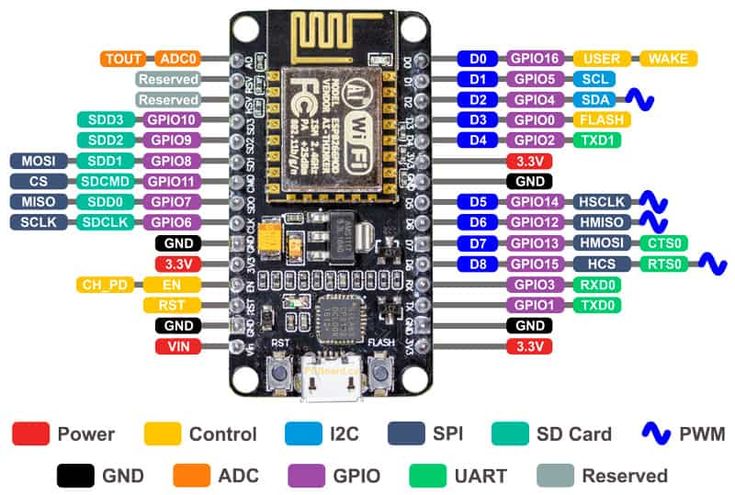
To streamline development, Espressif also provides a range of development kits, including the ESP32-S2-DEVKIT-M and the ESP32-S2-MINI-1-DEVKIT, equipped with necessary features to kickstart your projects quickly.
In conclusion, the wide array of ESP32 types ensures that there's a suitable SoC for almost any IoT or electronics project you can imagine. By understanding the unique features and characteristics of each variant, you can make informed decisions while selecting the perfect ESP32 for your next groundbreaking endeavor.
Related Articles

Types of Room Windows: A Comprehensive Guide
Windows are integral architectural elements that not only serve functional purposes but also greatly influence a room's aesthetics, natural light, and energy...

Vintage Table Styles: Exploring the Types
The charm of vintage tables lies in their durability, craftsmanship, and the unique stories they carry from a bygone era. These pieces of history not only...

Microsoft 365 License Types: A Comprehensive Comparison
Microsoft 365, a powerful and comprehensive suite of productivity and cloud-based services, offers different types of licenses tailored to meet various...

Types of Security Screen Doors: A Comprehensive Guide
Security screen doors play a pivotal role in maintaining the safety and privacy of your home while allowing for airflow and visibility. Available in various...

Types of Table Lamps with Pictures
Welcome to our comprehensive exploration of the charming world of table lamps! These versatile lighting fixtures are not only functional but also serve as...

"Essential Knife Types: A Comprehensive Guide You Must Have"
Stepping into the culinary world or upgrading your kitchen essentials? Must-have knife types should be at the top of your list. After all, a sharp and reliable...