ESP8266 Power Requirements: Minimal yet Powerful
The ESP8266, a popular low-cost Wi-Fi module, has opened up a world of possibilities for IoT and maker projects. But before you start building your wireless masterpiece, it's crucial to understand its power requirements to ensure smooth operation and longevity. Let's delve into the ESP8266's power needs, from voltage and current to power supply options.
The ESP8266 is known for its low power consumption, which is a significant advantage in battery-powered projects. However, it's essential to understand its power requirements to avoid any mishaps. This article will guide you through the ESP8266's power requirements, helping you make informed decisions for your next project.
ESP8266 Voltage Requirements
The ESP8266 operates within a specific voltage range, which is typically between 3.0V to 3.6V. However, the module can function with a broader range, from 2.5V to 3.6V. It's recommended to supply the module within the operating range for reliable performance and to avoid damaging the device.


When selecting a power source, consider the module's operating range and your project's specific requirements. For most applications, a 3.3V power supply will suffice, as it falls within the module's recommended operating range and ensures reliable performance.
Power Supply Options
There are several ways to power the ESP8266, depending on your project's needs and constraints. Here are some popular options:


- USB power: A standard USB power supply can provide the necessary voltage and current for the ESP8266. USB ports typically provide 5V, so you'll need a voltage regulator or level shifter to step down the voltage to 3.3V.
- Batteries: Lithium-ion, lithium-ion polymer (LiPo), and alkaline batteries are popular choices for battery-powered projects. Again, voltage regulation is essential, as battery voltages can vary significantly, even within a single charge cycle.
- External power supplies: External power supplies, such as wall adapters or bench power supplies, can provide stable 3.3V or 5V outputs for your ESP8266 projects. Ensure the power supply's current rating is sufficient for your project's demands.
Current Consumption
The ESP8266's current consumption varies depending on the module's mode, such as sleep, idle, or active transmission. Understanding the module's current consumption is crucial when designing battery-powered or low-power applications:
- Sleep (deep and light): In sleep mode, the ESP8266 consumes minimal power, making it an ideal choice for battery-powered projects. Deep sleep consumes around 60-70µA, while light sleep consumes about 70-80mA.
- Idle: When the module is active but not transmitting or receiving data, its current consumption is around 80-100mA.
- Transmit/Receive: During data transmission or reception, the ESP8266's current consumption can spike to around 200-240mA. Keep in mind that these values can vary depending on the module's production batch and operating conditions.
Proper power management is crucial for optimizing the ESP8266's performance and ensuring the longevity of battery-powered projects. Utilizing the module's sleep modes and reducing unnecessary power draw can significantly increase your project's lifespan.
Powering the ESP8266 with External Components
When working with external components, such as sensors, actuators, or displays, you may need to consider their power requirements alongside the ESP8266's needs. Some projects may require additional voltage regulators, MOSFETs, or level shifters to ensure proper power distribution and protection.


Additionally, if you're designing a circuit with multiple power domains, it's essential to consider the potential for voltage spikes, brown-out conditions, or reverse polarity. Proper design and component selection can help mitigate these risks and ensure the longevity of your project.
Powering the ESP8266 from a Power Bank or USB Battery Pack
Using a power bank or USB battery pack to power the ESP8266 is an excellent option for portable or mobile projects. These devices typically provide 5V, so you'll need a voltage regulator or level shifter to step down the voltage to the ESP8266's operating range of 3.0V to 3.6V. Some popular voltage regulator options include the LM317 and the MT3608.
Powering Multiple ESP8266 Modules
If your project requires multiple ESP8266 modules, you'll need to consider their combined power requirements. For battery-powered projects, usingsleep modes andponsible power management can help maximize battery life. Alternatively, you can use a single power supply with multiple voltage regulator outputs to provide stable power to each module.


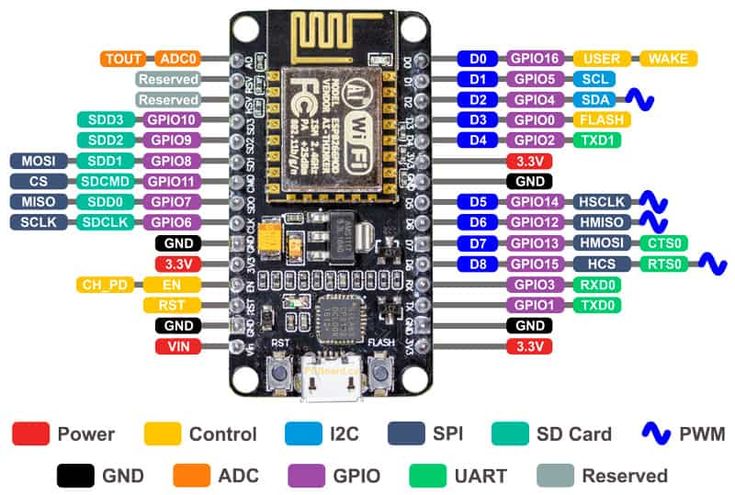


As you explore the ESP8266's power requirements, keep in mind that proper component selection, circuit design, and power management techniques can significantly enhance your project's performance and longevity. By understanding and optimizing the ESP8266's power consumption, you'll unlock even more possibilities for your IoT and maker adventures.
Now that you're equipped with the knowledge to power your ESP8266 projects confidently, it's time to roll up your sleeves and bring your ideas to life. Happy building!
Related Articles

Maximize Comfort: A Powerful Heating Solution
Discover the efficiency and comfort of Power Heating solutions, perfect for maintaining optimal temperatures in your space today. Whether you're upgrading your...

Arduino Uno R3 Power Requirements
Considering a versatile prototyping platform like Arduino Uno R3, understanding its power requirements is crucial for both its efficient operation and your...

ESP32 vs ESP8266: Power Consumption Showdown
The debate between ESP32 and ESP8266 often revolves around functionality, but a critical aspect that's often overlooked is power consumption. Understanding the...

"Mastering Minimal: Small Kitchen Design with a Cozy Island"
Maximizing space and efficiency in a small kitchen is no small feat, but incorporating a small kitchen island can be a game-changer. Not only do they add...

Maximize Minimal: Expert Tips for Perfect Small Master Bedroom Layouts
Transforming a compact space into a cozy, functional master bedroom is no small feat, but with a well-thought-out layout and clever design, it's absolutely...

Smallest 4K Smart TV: Compact Power in Ultra HD
In the dynamic world of television technology, the demand for high-quality, immersive visuals has led to the rise of 4K smart TVs. Among these, the smallest 4K...