Green Card Eligibility: Key Requirements
Are you curious about the process of becoming a Lawful Permanent Resident (LPR) in the United States and wondering if you meet the green card eligibility requirements? The path to securing a green card can be complex, but understanding the basics can help you determine your eligibility. Let's delve into the various categories and their specific requirements to give you a comprehensive understanding.
Before we proceed, it's crucial to note that green card eligibility requirements vary based on your individual circumstances. These can include your immigration status, family relationships, employment, investment, or humanitarian efforts, among other factors. This article aims to provide a general overview, and specific situations may require additional guidance from immigration lawyers or U.S. Citizenship and Immigration Services (USCIS) officials.
Green Card Eligibility Through Family Relationships
One of the most common paths to obtaining a green card is through family-based immigration. This category includes spouses, children, parents, and siblings of U.S. citizens or LPRs. The specific requirements and priority dates vary depending on the relationship and the beneficiary's country of birth.


Let's explore two main family-based green card categories for further understanding:
Immediate Relatives
Immediate relatives enjoy special consideration in the U.S. immigration system. They are exempt from the numerical limitations on green card issuance and may receive green cards regardless of visa backlogs. Immediate relatives include:


- Spouses of U.S. citizens or LPRs
- Children under 21 of U.S. citizens, if not married
- Stepson or stepchildren, if the marriage creating the relationship took place before the 18th birthday of the child
- Parents of U.S. citizens, provided the citizen is at least 21 years old
Family-Based Preferences
Family-based preferences, also known as family-based visas, cater to individuals with familial relationships to U.S. citizens or LPRs, but not as close as immediate relatives. These categories are subject to numerical limitations and visa backlogs, which can vary depending on the beneficiary's country of birth.
There are five family-based preference categories, numbered from F1 to F4, comprising both the non-citizen and LPR categories. The requirements differ based on the type and closeness of the familial relationship:
- F1: Unmarried children of U.S. citizens, 21 years or older
- F2: Spouses, children (under 21, or any age if unmarried), andunnelizaed adult children (married or unmarried, any age) of LPRs
- F3: Married children of U.S. citizens
- F4: Siblings of U.S. citizens, and their spouses and children, if the citizen is at least 21 years old
Green Card Eligibility Through Employment
Another popular path to obtaining a green card is through employment-based immigration. Unlike family-based categories, employment-based green cards prioritize individuals with certain in-demand skills and abilities. These categories aim to fill specific labor market gaps and stimulate the U.S. economy.


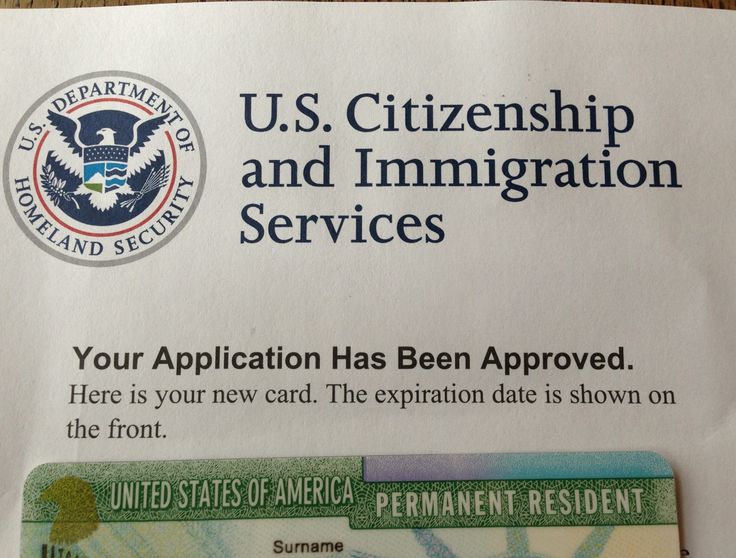
The Employment-Based (EB) immigrant visa categories value various worker profiles, from highly skilled professionals to unskilled manual laborers. There are five main EB categories, numbered from EB-1 to EB-5, each with its eligibility requirements:
EB-1 Category
The EB-1 category is reserved for individuals with extraordinary abilities, outstanding professors and researchers, and multinational executives and managers. To qualify, applicants must:
- Demonstrate extraordinary ability by sustained national or international acclaim
- Provide documentation proving their extraordinary ability, including prizes, publications, professional associations, etc.
EB-5 Category
The EB-5 visa is designed for foreign investors willing to contribute a significant amount of capital to U.S. businesses. The minimum investment required varies depending on the location of the business and can generate green cards for the investor, their spouse, and unmarried children under 21.


An essential aspect of the EB-5 visa is the creation or preservation of at least 10 full-time U.S. jobs for qualified workers. Both direct and regional center investments can qualify, but each approach has its unique set of rules and requirements.
Green Card Eligibility Through Humanitarian Efforts
U.S. immigration laws also provide green card opportunities for individuals meeting specific humanitarian criteria. These categories prioritize refugees, asylees, victims of abuse, and other vulnerable populations seeking safety and protection in the United States. Some common humanitarian-based green card categories include:
Refugees and Asylees
Refugees and asylees are individuals who have fled their home countries due to a well-founded fear of persecution based on their race, religion, nationality, membership in a particular social group, or political opinion. After being admitted to the U.S. as refugees or granted asylum, they may apply for a green card one year after entry:
- Refugees: Through the process of adjustment of status
- Asylees: By filling out Application for Permanent Residence (Form I-485)
Victims of Abuse and Human Trafficking
Expose to abuse or human trafficking can also qualify an individual for a green card under specific circumstances. Two main categories cater to these victims:
- Victims of Bona Fide Crimes (VAWA): Allows battered spouses, children, and parents of U.S. citizens or LPRs to self-petition for a green card, regardless of the abuser's immigration status
- T Nonimmigrant Status (T Visa): Designed for victims of human trafficking, the T visa provides temporary relief and a path to a green card for those who cooperate with law enforcement in the investigation or prosecution of the trafficking activity
In conclusion, understanding green card eligibility requirements is the first step toward pursuing a pathway to Lawful Permanent Residence in the United States. With various categories catering to different individual circumstances, it's essential to evaluate your personal situation and consult with immigration professionals to determine the best course of action for your immigration journey.
Related Articles
EB-1A Green Card Eligibility: Are You Qualified?
Embarking on the path to U.S. permanent residency through the EB-1A green card program can be an exciting journey. Often referred to as the "Einstein Visa,"...
Green Card Eligibility: Top USICS Categories 2023
Embarking on the path to U.S. permanent residence, often referred to as obtaining a Green Card, is a significant decision that opens doors to numerous...

Green Card Eligibility: Key Immigration Categories Explained
When exploring the path to permanent residency in the United States, understanding green card eligibility categories is a crucial first step. The process can...

Eb1 Green Card Eligibility: Key Criteria to Meet
The EB-1 Green Card, a prestigious immigration category, is designed for individuals who demonstrate extraordinary ability, are outstanding professors or...
Understanding EB-1A Green Card Eligibility: A Step-by-Step Guide
Embarking on the path to a green card through the EB-1A category, also known as the EB-1A visa for extraordinary people, involves understanding the meticulous...

Workforce Ready Grant Requirements: Meet the Eligibility & Application Criteria
Embarking on the path to professional success often requires more than just education; it demands a workforce that's ready to hit the ground running. This is...