Latest Green Card Policies and Changes: Top News and Reviews
The immigration landscape in the United States is continually evolving, and one of the most significant changes in recent times is the shift in the process for obtaining a green card. News of these changes has been widely discussed, as the implications can significantly impact potential immigrants and their families. Let's delve into the latest green card review news and understand how these updates might affect the future of U.S. immigration.
Currently, headlines are dominated by discussions around the proposed changes to the Green Card Lottery, officially known as the Diversity Visa Lottery. This program, which awards 50,000 green cards annually to individuals from eligible countries, has been a topic of much debate. However, the latest news suggests that the program's future might be uncertain under the current administration.
Proposed End to the Diversity Visa Lottery
One of the most significant pieces of green card review news is the proposed termination of the Diversity Visa Lottery. President Trump's administration has been vocal about their intentions to dismantle the program, citing security concerns and a need to focus on more skilled immigration.


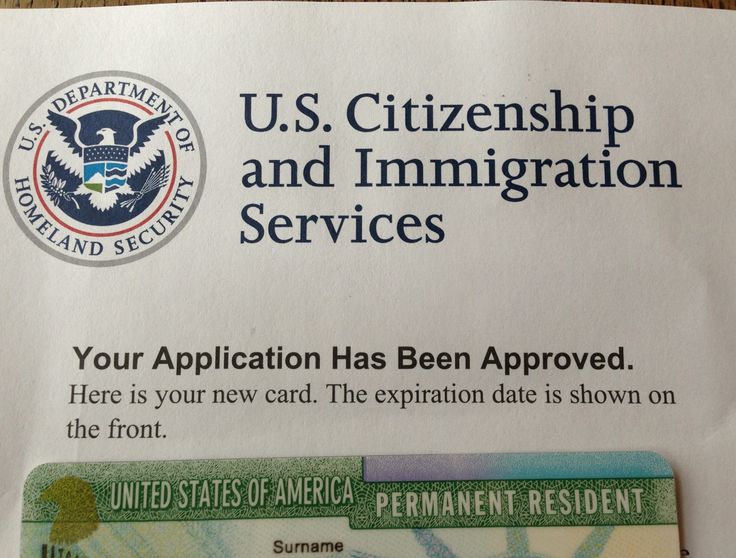
This change, if implemented, would have substantial impacts on countries that currently have high participation rates in the lottery. African nations, particularly, could see a significant drop in green card recipients. However, the Trump administration's plans have faced resistance, both from lawmakers and the public, which could potentially delay or even prevent the program's termination.
Potential Shift to a Skills-Based System
If the Diversity Visa Lottery is indeed discontinued, many are speculating that its place could be taken by a system that prioritizes immigrants with high levels of education or specialized skills. This shift aligns with the Trump administration's broader goals of welcoming more skilled workers to the U.S.


This change could potentially improve the country's economy, as highly skilled workers often contribute more significantly to the labor market. However, critics argue that this focus on skills excludes many potential immigrants who could still significantly contribute to U.S. society and economy.
Possibility of Increased Focus on Family-Based Immigration
Another intriguing possibility hinted at in recent green card review news is an increased focus on family-based immigration. Unlike other types of green cards, family-based green cards are available to a wide range of relatives, including spouses, children, and parents.
This focus could lead to more family reunifications, which, according to many immigration advocates, is a vital component of a healthy, balanced immigration system. However, this focus could also lead to longer processing times, as family-based applications currently make up around 80% of all green card cases.


The Potential Impact on U.S. Citizenship Rates
Changes to the green card process can have far-reaching effects, including implications for U.S. citizenship rates. Holders of green cards are eligible to apply for citizenship after a certain period, making the pathway to citizenship a crucial aspect of green card news.
For example, the proposed end to the Diversity Visa Lottery could potentially reduce the number of new green card holders, thereby decreasing future citizenship applications. Conversely, a shift to a skills-based system could lead to more applications for citizenship, as highly skilled immigrants often pursue permanent residency and later citizenship.
The Role of Green Card Holders in the U.S. Economy
Green card holders form a significant part of the U.S. economy, contributing to various sectors from healthcare to tech. Thus, any changes to the green card process can have substantial effects on the country's economy.


For instance, ending the Diversity Visa Lottery could potentially lead to a loss of diversity in the workforce, thereby decreasing innovation and growth. Conversely, a skills-based system could attract more highly skilled workers, potentially invigorating certain sectors of the economy.
In conclusion, the future of green cards in the U.S. is at a turning point. The proposed changes, driven by the current administration's policies, have the potential to significantly impact the immigration landscape, the U.S. economy, and U.S. citizens. As the debate continues, it remains to be seen which green card review news will prevail and how it will shape the future of U.S. immigration.
Related Articles

Huawei Smart Tech: Latest News & Reviews
In the dynamic world of technology, Huawei has consistently made waves, not just as a telecommunications behemoth, but also as a leader in consumer...

US Bank Smartly Card Update: Latest Changes
Looking for an update on changes to the U.S. Bank SmartlySM Card? You've come to the right place. Here, we'll discuss the recent updates and what they mean for...

Khyati Infra Mart: Latest Updates and News
Khyati Infra Mart, a name synonymous with growth and innovation in the retail sector, has been making waves with its latest news and developments. This article...

Unveiling Smart Kitchen Cabinet Innovations in Ajman: A Comprehensive Review
Welcome to the future of home cooking, where smart kitchens and cabinets in Ajman are transforming the way we prepare and enjoy our meals. With an array of...

Chamberlain Smart Garage Door Opener Review: Security & Convenience
Seeking to elevate your smart home game? Chamberlain's garage door openers have been a staple in the industry, and their foray into the smart domain has...

Smart Charge America: A Comprehensive Review
In the burgeoning world of electric vehicles (EVs), charging infrastructure is the lifeblood of sustainable, long-distance travel. While many charging...