DIY Dog Food: Is Homemaking The Healthier Choice?
Have you ever paused to consider the possibility of making your own dog food, not just as a cost-saving measure, but to provide your furry companion with fresh, nutritious meals? This trend, known as homemade dog food or "barfing" (biologically appropriate raw food), has been gaining traction among pet owners who want to take control of their dogs' diet. But before you dive into your kitchen, arming yourself with a sharp knife and a recipe, there are some crucial aspects to consider.
Firstly, creating a balanced diet for your dog goes beyond simply throwing together wholesome ingredients. Dogs require specific proportions of proteins, fats, carbohydrates, vitamins, and minerals to meet their nutritional needs. A slight imbalance can lead to deficiencies or excesses that may cause health issues in the long run. For instance, an improperly formulated diet could lead to conditions like Osteoporosis, Pancreatitis, or even Neurological issues in severe cases.
Safety and Nutritional Adequacy
The most critical aspect when considering homemade dog food is ensuring the meals are safe and provide the correct balance of nutrients. Consultation with a canine nutritionist or veterinarian can help you understand your dog's specific needs and create a tailored meal plan. They can also guide you on the safely sourced ingredients to use and those to avoid.


For example, while fresh, raw meat is a staple in many homemade dog food diets, it should be sourced from reputable butchers or certified organic farms to minimize the risk of contamination with bacteria like Salmonella or E. coli. Some foods toxic to dogs, such as chocolate, onions, grapes, and raisins, should be strictly avoided.
Cooking and Handling Food Safety
Once you've sourced your ingredients, proper handling and cooking are crucial to prevent foodborne illnesses. Thoroughly wash all fruits and vegetables, and defrost frozen meat in the refrigerator to prevent cross-contamination. Cook meat until it's no longer pink in the middle and ensure bones, if included, are raw and meaty, as cooked bones can splinter and cause injury.


Moreover, aim for variety in your dog's diet to ensure they receive a wide range of nutrients. However, too much variety too quickly can cause stomach upset. Introduce new ingredients gradually, mixing them with your dog's existing food to allow their digestive system to adapt.
Supplements and Complementary Feeding
Even with a varied diet, it can be challenging to provide all the necessary nutrients without supplementation. lahko Could your dog's diet use some extra calcium? Or perhaps they need more omega-3 fatty acids? careful Consult your vet or a canine nutritionist to determine which supplements, if any, are necessary.
In certain cases, complementary feeding might be an option. This involves feeding your dog a primarily commercial diet with homemade meals incorporated. This approach can help add variety and nutritional density to your dog's diet while mitigating some of the risks associated with exclusive homemade feeding.


Time, Cost, and Convenience
Homemade dog food isn't just about the nutritional benefits; it's also a significant time and financial investment. Preparing fresh meals daily, sourcing high-quality ingredients, and storing leftovers can be time-consuming and may require adjusting your budget.
Consider, too, the mess factor. Home cooking for your dog means your kitchen will see more traffic, and cleanup will be more intense. Furthermore, you'll need to factor in time for freezing and thawing meals, as well as the need to rotate and discard old food to prevent spoilage.
Long-Term Considerations
Bear in mind that your dog's nutritional needs will change over time, especially as they age. Regular vet check-ups and reassessments of their dietary needs are crucial to ensure they continue to receive appropriate nourishment from their homemade meals.


Additionally, if you use boarding services or have pet sitters, you'll need to provide clear instructions on how to feed your dog's homemade meals. This includes defrosting times, serving sizes, and inclusion of supplements. It's also wise to have commercial food on hand as a backup in case of feeding errors or emergencies.
Lastly, just like humans, each dog has unique preferences and tolerances when it comes to food. What works well for one dog might not sit well with another. Therefore, observing your dog's response to new foods is essential. Changes in appetite, digestive issues, or unusual behavior may indicate that switches in the diet need to be reevaluated or slowed down.
Related Articles
DIY Dog Food: A How-To Guide
Have you ever considered making your own dog food? This decision could greatly impact your pet's health and could even save you money in the long run. But is...
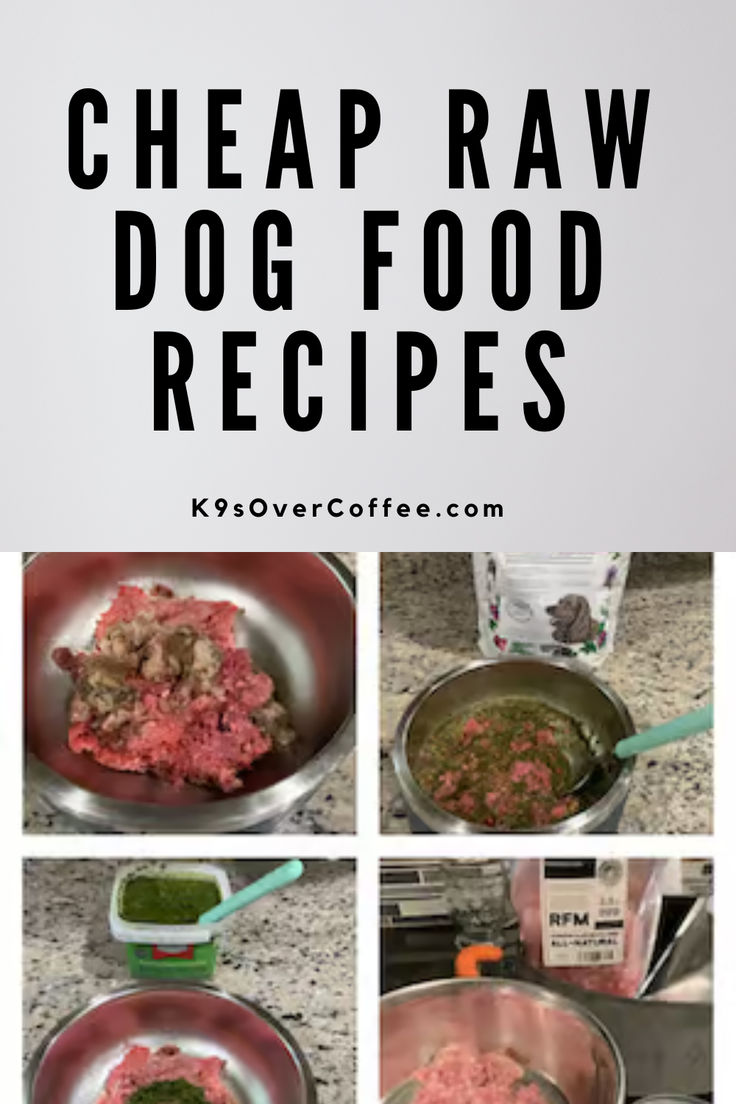
Is Homemaking Your Dog's Food Cheaper?
Pet owners are always on the lookout for the most economical and nutritious options for their furry friends. One question that often pops up is: Is it cheaper...
Is Homemade Dog Food Superior? A Comprehensive Comparison
Home-cooked meals for your furry companions have become increasingly popular, leaving dog owners pondering: is it better to make your own dog food? The...

25 Clever Ideas: Creative Things to Make with Food
Food is not just sustenance, it's an art form, a medium for creative expression. With the right inspiration and a bit of imagination, you can transform...

SmartSport: Your Secret to a Healthier, Happier Life
Embracing a healthier, more active lifestyle can be challenging in today's fast-paced world. But what if I told you there's a smart way to make fitness an...
Is Homemade Dog Food Healthier?
Embarking on a quest to enhance your dog's nutrition and overall health? You might have pondered the idea of making your own dog food. The notion might seem...