Is It Cheaper to Make Raw Dog Food?
The age-old question for pet parents is whether it's truly cheaper to make raw dog food at home. With the increasing trend towards natural and healthier diets for our beloved furry friends, many are exploring the DIY route. But is the initial outlay and time investment worth it in the long run? Let's dig into the detail and uncover the truth about the cost of raw dog food, comparing homemade options with commercial alternatives.
Before we begin, it's important to note that prices can vary greatly depending on your location, the quality of ingredients, and the specific recipe you're following. However, this guide will provide a general overview to help you make an informed decision about whether it's cheaper to make raw dog food at home.
Commercial Raw Dog Food
Commercial raw dog food, though typically more expensive, offers convenience and the assurance of balanced nutrition. These pre-made meals are formulated by pet nutritionists, ensuring your dog gets all the essential vitamins and minerals. They're also PRP (pathogen reduced processes) treated, reducing the risk of harmful bacteria associated with raw food.


Typically, you can expect to pay around $5-$10 per pound for commercial raw dog food, with some high-end options costing up to $20 per pound. On average, a 50-pound dog would require about 2 pounds of food per day, translating to around $100-$200 per month on commercial raw food.
The Advantages of Commercial Raw Dog Food
quête, effortless meal planning and preparation, and the peace of mind that comes with a balanced, vet-approved diet. Moreover, it's ideal for those with busy schedules or those concerned about the safety aspects of handling raw meat.
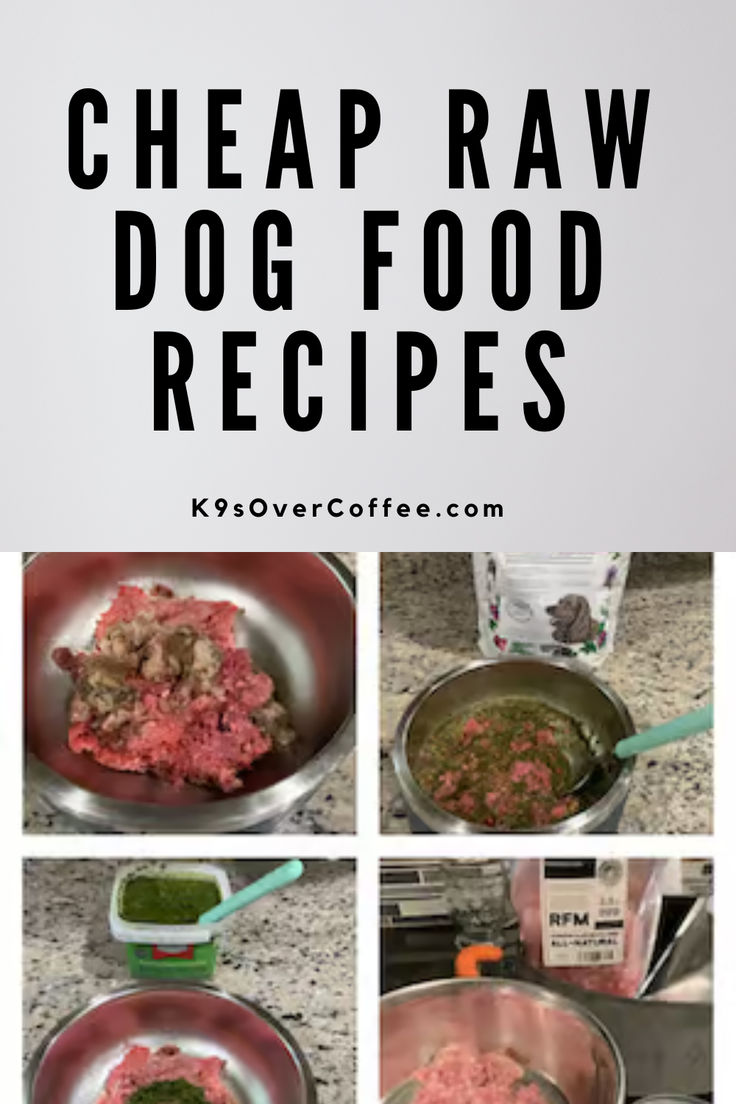


However, despite these advantages, the high cost can put commercial raw dog food out of reach for some. This is where making raw dog food at home becomes an attractive, cost-effective alternative.
The Differences in Quality and Safety
While commercial raw food offers convenience and safety, making your own allows you more control over ingredient quality and sourcing. Moreover, you can tailor meals to your dog's specific needs and tastes. However, safety precautions should be taken when handling raw meat, and balanced recipes should be researched to ensure your dog receives all necessary nutrients.
- Thoroughly clean all surfaces and utensils that have come into contact with raw meat.
- Wash your hands frequently and don't allow pets in the food preparation area.
- Never taste raw meat meant for your dog, as it can carry diseases like salmonella or E. coli.
The American Veterinary Medical Association warns about the risks of preparing raw dog food at home, so it's crucial to be informed and follow safety guidelines.


Homemade Raw Dog Food
Making raw dog food at home can indeed be cheaper, with estimates ranging from $2-$5 per pound, depending on your ingredient choices. By buying in bulk and opting for budget-friendly staples like chicken, turkey, and eggs, you can further reduce costs.
A 50-pound dog would require around 100-200 pounds of food each month, translating to $200-$500 at the lower end of the commercial price range. By making food at home, you could potentially save hundreds of dollars each month.
Meat: The Main Ingredient
Meat is the major component of a raw dog food diet, making up about 70% of the meal. Opting for lean, muscle meat (such as chicken, turkey, beef, or lamb) is crucial, as fat and bone content should be controlled. While organ meat is also vital, it should make up no more than 10% of the diet.


Buying meat in bulk and freezing portions can help maximize savings. You can also source affordable meat from local farmers, hunters, or even supermarkets during sales. However, always ensure the meat is fresh, never frozen, and from a reliable source to maintain safety and quality.
Vegetables and Carbohydrates
While dogs are carnivores and don't require carbohydrates, adding some vegetables to their diet can provide essential vitamins and minerals. Options like carrots, green beans, pumpkin, and sweet potato can be introduced, ensuring they're always thoroughly blended or finely chopped to prevent choking hazards.
Peel or lightly cook vegetables (except for leafy greens) before feeding, as this can make them easier to digest and uptake nutrients. You can also dehydrate or freeze vegetables in bulk to save time and money.
The Importance of Balanced Recipes
Simply feeding your dog raw meat doesn't constitute a balanced raw diet. You must ensure your homemade raw dog food includes a balanced ratio of muscle meat, organ meat, bones (raw or gently cooked), vegetables, and even supplements (like healthy fats, vitamins, and minerals). Many pet nutritionists recommend a 80/10/10 or a 70/20/10 ratio of meat/organs/bones, but this can vary depending on your dog's size, age, and activity level.
Consulting with a canine nutrition specialist can help you create a balanced recipe, ensuring your dog receives all necessary nutrients. Rotating ingredients and recipes can also help prevent boredom and ensure a varied diet.
While making raw dog food at home can be cheaper and allows greater control over ingredient quality, it requires significant time investment and research. Additionally, safety precautions must be followed to safeguard both you and your dog from potential risks associated with raw meat.
DIY Raw Dog Food: The Cost Breakdown
To illustrate the cost savings of making raw dog food at home, let's consider a simple recipe. Let's assume we're feeding a 50-pound dog with the following daily meal:
Recipe per day:
- 2.5 pounds of muscle meat (chicken or turkey)
- 0.125 pounds of organ meat (liver or kidney)
- 0.125 pounds of raw, ground bone (chicken or turkey necks)
- 0.25 pounds of vegetables (carrots, sweet potato, and green beans)
Approximate cost per pound:
- Chicken or turkey: $1.50
- Organ meat: $2.00
- Raw bone: $0.50
- Vegetables: $0.50
Total cost per day:
- Meat: $3.75
- Organ meat: $0.25
- Bone: $0.06
- Vegetables: $0.12
- Total: $4.18
Total cost per month (approximately):
$125.40 - $180 (depending on the cost of ingredients in your area)
Comparing this to the previous estimated monthly cost of commercial raw dog food ($200-$500), it's clear that making raw food at home can result in significant savings. However, these calculations don't include the initial outlay for equipment (which can include a robust freezer, a high-powered blender, and storage containers) or the time spent planning, preparing, and freezing meals.
Is the Time Investment Worth It?
Pros of Making Raw Dog Food at Home
Aside from potentially saving money, making raw dog food at home offers numerous benefits:
- Quality Control: You know exactly what goes into your dog's food.
- Customization: You can tailor meals to your dog's preferences and specific dietary needs.
- Variety: Rotating ingredients and recipes helps prevent boredom and ensures a diverse diet.
- Sustainability: Buying locally and in season can reduce your carbon footprint.
Cons of Making Raw Dog Food at Home
However, it's not without its drawbacks:
- Time: Researching recipes, sourcing ingredients, and preparing meals can be time-consuming.
- Safety: Handling raw meat carries risks that must be mitigated with proper hygiene and storage practices.
- Initial Investment: Equipment and ingredients may require a significant initial outlay.
- Nutritional Balance: Ensuring meals are balanced and complete can be challenging without proper guidance.
Ultimately, whether it's cheaper to make raw dog food will depend on your personal circumstances and priorities. For some, the potential savings and benefits may outweigh the time and effort required. For others, the convenience and peace of mind offered by commercial raw dog food may be more valuable.
Before making a decision, it's recommended to consult with a canine nutrition specialist to discuss your dog's specific needs and the potential risks and benefits of both homemade and commercial raw dog food. By doing so, you can make an informed choice that puts your dog's health and happiness first.
In the end, the best diet is one that's tailored to your dog's unique needs and provides them with the nutrients they require to live a happy, healthy life. Whether you choose to make raw dog food at home or opt for commercial alternatives, the key is to ensure you're providing them with the best possible nutrition. So, happy feeding, and may your dog's tail always wag with contentment!
Related Articles
Is It Cost-Effective to Prepare Raw Dog Food?
Ever wondered if making raw dog food could save you money? As pet parents, we're always looking for ways to keep our furry friends happy and healthy while...

Is Making Fresh Dog Food Cheaper?
When it comes to our canine companions, many pet owners are opting for homemade dog food to ensure their pets enjoy a balanced, nutritious diet. But is it...

Is DIY Dog Food Cheaper Than Kibble?
raumcravings: When it comes to feeding our furry companions, one question that often crosses pet owners' minds is, "Is it cheaper to make dog food or buy...
Is Homemade Dog Food Cheaper?
Ever wondered if it's more cost-effective to make your own fresh dog food instead of relying on store-bought kibble or canned food? With the rising cost of pet...

DIY Dog Food: Is Homemade Cheaper Thanstore-Bought?
When it comes to providing the best for our furry friends, one of the most frequent questions pet owners ask is, "Is it less expensive to make my own dog...
Is Homemaking Your Dog's Food Cheaper?
Pet owners are always on the lookout for the most economical and nutritious options for their furry friends. One question that often pops up is: Is it cheaper...