Is Making Your Own Wet Dog Food Cheaper?
Tired of spending a small fortune on high-quality wet dog food? You're not alone. pet owners everywhere are increasingly turning to homemade dog food as a cost-effective and healthier alternative. But the question remains: is it cheaper to make your own wet dog food?
To investigate this, let's delve into the potential savings and consider the time and effort involved, as well as the nutritional aspects. We'll also bust some common myths and provide practical tips to ensure a safe and balanced homemade diet for your furry friend.
Understanding the Costs of Homemade vs Commercial Wet Dog Food
The most obvious benefit of making your own dog food is the potential cost savings. However, the extent of these savings depends on several factors, including the quality and type of ingredients you use, the size of your dog, and their specific nutritional needs.


To give you a rough idea, a mid-range commercial wet dog food can cost around $0.50 to $1.00 per meal, depending on the brand and your dog's size. High-quality homemade meals, on the other hand, can cost as little as $0.20 to $0.50 per meal, provided you're buying ingredients in bulk and using affordable items like grains, vegetables, and economy cuts of meat.
Myth: Homemade Dog Food is Always Cheaper
It's true that you can save money by making your own dog food, but it's not always cheaper. If you're using expensive, organic, or specialty ingredients, the cost can quickly add up and potentially exceed the price of high-end commercial dog food.


Moreover, if you're not careful, you might end up throwing away ingredients that haven't been used, adding to your total expenses. It's crucial to plan your meals and ingredients carefully to maximize savings.
Myth: Commercial Dog Food is Inferior to Homemade
While there are valid concerns about the quality and ingredients in some commercial dog foods, it's inaccurate to assume that homemade dog food is always superior. When made incorrectly, homemade dog food can lack essential nutrients, contain harmful ingredients, or cause more harm than good.
To ensure a balanced and safe diet, it's essential to educate yourself on your dog's nutritional needs and consult with a canine nutritionist or veterinarian before making any significant changes to their diet.


The Time and Effort Involved in Making Your Own Dog Food
Of course, cost isn't the only factor to consider when deciding whether to make your own dog food. The time and effort involved in preparing homemade meals can be a significant deterrent for some dog owners.
Planning, shopping, preparing, and cooking meals can take several hours each week. You'll also need to freeze and store the meals appropriately to preserve freshness and nutrients. However, many dog owners find that the benefits of a homemade, balanced diet for their pet far outweigh the extra time and effort required.
Batch Cooking and Meal Planning
To minimize the time spent cooking, consider dedicating one day a week to preparing and freezing meals for the following week. This approach, known as batch cooking, allows you to cook a large quantity of food at once and store it in the freezer for later use.


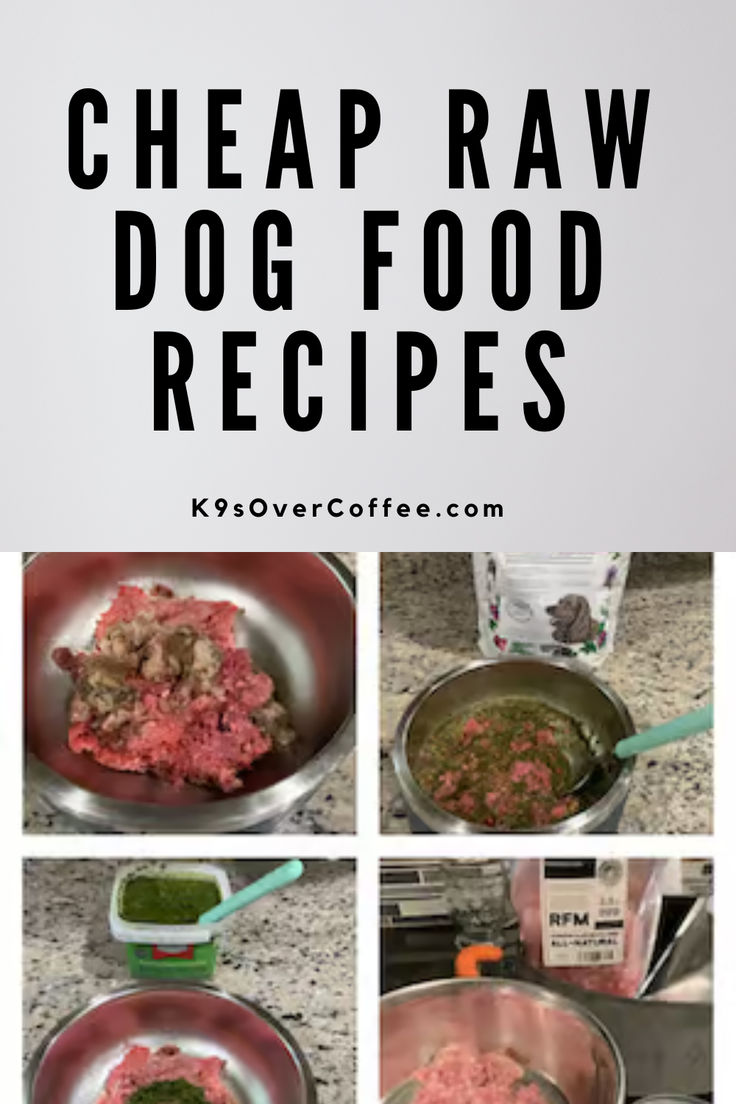


Meal planning is also essential for ensuring a balanced diet and minimizing waste. By planning your meals in advance, you can buy ingredients in bulk and use them across multiple recipes, saving you money and reducing food waste.
Recipes and Resources
There are numerous resources available online to help you create balanced and nutritious homemade dog food. Websites, books, and social media groups dedicated to canine nutrition offer a wealth of information, recipes, and guidance to help you get started.
Some popular resources include "The Dog Diet" by Dr. veterinary anatomy professor, Dr. Conklin, and the blog "Healthy Paws" by Marilyn Schlett, a certified pet nutrition consultant. Join these communities, and you'll gain access to a wealth of knowledge and support from experienced pet owners and canine nutrition experts.
Ensuring a Balanced and Nutritious Homemade Dog Food
Regardless of whether you're making your own dog food to save money or improve your pet's nutrition, it's crucial to ensure that the meals you prepare are balanced and complete. Dogs have unique nutritional needs that require careful consideration.
While grains, vegetables, and proteins are essential components of a dog's diet, it's equally important to include crucial vitamins and minerals. This may involve supplementing your homemade dog food with ingredients like taurine, calcium, and specific vitamins to create a balanced and complete meal.
Consulting a Canine Nutritionist or Veterinarian
Before making any significant changes to your dog's diet, consult with a canine nutritionist or veterinarian to ensure that you're providing your pet with a balanced and nutritious homemade diet. They can provide personalized guidance based on your dog's age, size, breed, activity level, and overall health.
They can also help you identify any potential allergens or ingredients that may pose a risk to your dog's health, ensuring that you're providing a safe and nutritious meal plan.
Gradual Introduction and Monitoring
When transitioning your dog to a homemade diet, it's essential to do so gradually to avoid upsetting their stomach or causing other digestive issues. Begin by mixing a small amount of the homemade food with their current diet and gradually increase the proportion of homemade food over a week or two.
Monitor your dog closely during this transition period, watching for any signs of digestive upset, such as vomiting, diarrhea, or changes in appetite. If you notice any issues, slow down the transition or consult your veterinarian for further guidance.
Embarking on the homemade dog food journey can be a rewarding and enriching experience for both you and your pet. By carefully considering the costs, time, and nutritional aspects, you can make an informed decision about whether homemade dog food is the right choice for you and your furry friend.
Related Articles
"DIY or Buy: The Cost of Homemade Wet Dog Food
When it comes to our canine friends, we always want to provide them with the best, including their diet. The question arises: Is it cheaper to make your own...

Is Making Fresh Dog Food Cheaper?
When it comes to our canine companions, many pet owners are opting for homemade dog food to ensure their pets enjoy a balanced, nutritious diet. But is it...
Is Homemade Dog Food Cheaper?
Ever wondered if it's more cost-effective to make your own fresh dog food instead of relying on store-bought kibble or canned food? With the rising cost of pet...
DIY Dog Food: Is Homemade Cheaper Thanstore-Bought?
When it comes to providing the best for our furry friends, one of the most frequent questions pet owners ask is, "Is it less expensive to make my own dog...
Is Homemaking Your Dog's Food Cheaper?
Pet owners are always on the lookout for the most economical and nutritious options for their furry friends. One question that often pops up is: Is it cheaper...

Transform Your Kitchen Faster: Easy Steps to Make Your Dream Kitchen a Reality
Transforming your dream kitchen from a mere concept into reality is an exciting journey. With careful planning and the right approach, you can create a space...