"Ink Painting Ideas: Unleash Creativity with Enticing Ink Art"
In the vast and fascinating world of art, painting with ink has remained a steadfast and beloved medium. This centuries-old technique, often associated with calligraphy and illustration, has evolved to encompass a wide range of styles and applications. Whether you're a seasoned artist or a curious beginner, exploring ink painting ideas can unlock a realm of creativity and expression. Let's delve into this captivating art form and uncover some compelling ideas to inspire your next masterpiece.
Ink painting, also known as sumi-e in Japan and guo-hua in China, is a remarkably versatile medium. It can create intricate details with delicate lines, rich textures with varied applications, and endless hues with simple strokes. The inherent challenge of working with an unforgiving surface and irreversible ink prompts artists to develop an acute sensitivity to composition, planning, and patience. This distinction makes ink painting a unique and rewarding pursuit.
The Essence of Ink: Monochromatic Art
At its core, ink painting is monochromatic, deriving its beauty from the interplay of light and dark, the play of lines, and the subtlety of shading. The craftsmanship and precision ofчи black-and-white compositions can be truly breathtaking. To appreciate the essence of ink painting, consider these two sub-topics:


The Art of Minimalism
Ink painting excels at minimalism, where a few deft strokes evoke entire landscapes, figures, or abstract forms. This economy of means invites contemplation and encourages viewers to fill in the gaps with their imagination. authenticity is crucial in minimalist ink art. A single brushstroke can communicate volumes, making simplicity a powerful tool for expression. Witness the work of calligraphers who blend text and images, creating minimalist masterpieces that embody both poetry and visual art.
Inspired by the minimalist approach? Try creating a series of small ink paintings that capture the essence of a subject - a bird in flight, a wave crashing against a shore, or a lone tree standing sentinel over a hill - using no more than five brushstrokes per piece. Challenge yourself to capture the spirit of the subject while minimizing detail.


The Poetry of Line
Ink painting celebrates the line, holding it up as the primary means of expression. The line can be a delicate tracery, a bold statement, or a rhythmic dance. It can suggest movement, define form, or convey emotion. In the hands of a skilled artist, a single line can embody the essence of a subject, whether it's a human figure, an animal, or an inanimate object.
To appreciate the poetry of line, study the works of influential ink artists like Ralph Steadman or Paul Klee. Then, put your own line poetry on paper. Create a collection of line drawings that explore different moods and emotions, varying line thickness, direction, and pressure to convey different tones.
Color Explosions: The N vigorous Ink Wash Techniques
While traditional ink painting focuses on monochromatic themes, modern artists have embraced a riot of color. Ink wash techniques, such as those used in Eastern art, create sumptuous hues with deceptive simplicity. The process involves applying successive layers of diluted ink, building up complex colors and textures. This approach invites experimentation and playfulness, as colors blend and overlap in unexpected ways.


Playful Color Blending
Vibrant color blending is a hallmark of ink wash techniques. By applying ink in thin layers, artists can create smooth, luminous colors that resonate with warmth and depth. To achieve this effect, start with a light base color and gradually apply heavier ink washes, allowing each layer to dry before proceeding. Watch in awe as colors shift and deepen before your eyes.
Embrace the spirit of experimentation and create a series of mixed color washes. Begin with a light base color and apply successively darker washes, varying the direction and intensity of each application. Observe how different colors blend and interact, and record your findings for future reference.
Bidirectional Ink Washing
Bidirectional ink washing, popularized by Chinese painter Paisa, involves merging ink washes from two opposing directions. This technique creates striking, otherworldly patterns that resemble swirling galaxies, flowing rivers, or billowing clouds. The result is a unique, dynamic visual dialogue between opposing forces.


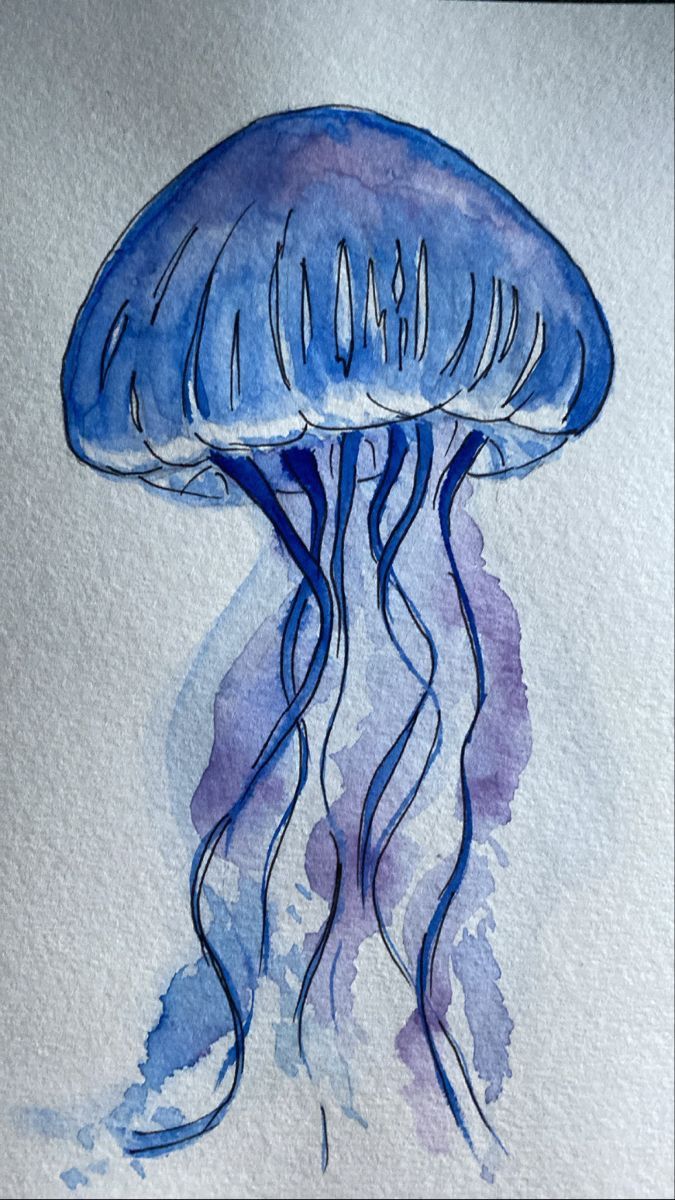


Try your hand at bidirectional ink washing by applying ink washes from two different directions on the same surface. Observe how the colors intermingle and form intriguing patterns. Experiment with different colors, directions, and ink concentrations to create a diverse array of outcomes.
Exploring beyond Conventional Boundaries
Ink painting, like any art form, thrives on innovation and the breaking of rules. Today's artists are pushing the boundaries of ink painting, experimenting with unconventional materials, techniques, and subjects. Embrace the spirit of experimentation and let your imagination run wild with these two sub-topics:
Ink Painting with Unconventional Materials
What if your ink palette wasn't confined to traditional sumi-e inks? Artists worldwide are exploring the possibilities of ink painting with unconventional materials, from coffee to acrylic paint, pencils to charcoal. Each material brings its unique qualities to the medium, opening up new avenues for expression.
Set out on a materials scavenger hunt and gather a diverse array of items that could potentially be used as ink. Experiment with coffee, tea, or wine for a warm, earthy hue; use activated charcoal or graphite for a smudged, soft finish; try your hand at mixing your own ink colors from watercolors or gouache. The world is your ink palette - go forth and explore!
Breaking Genre Barriers
Ink painting is not confined to traditional landscapes or figurative art. Contemporary artists are breaking genre barriers, using ink to explore abstraction, surrealism, and every conceivable style in between. For inspiration, look to artists like David Hockney, who incorporates ink into his collaged photomontages, or Cy Twombly, whose loose, gestural ink drawings explore line and form in new dimensions.
Challenge yourself to step beyond your comfort zone and create ink art that defies conventional genres. Explore abstraction by reducing a subject to its essential forms and lines; dabble in surrealism by combining unexpected elements in a single composition; or forge entirely new artistic territories by combining ink with other mediums or techniques.
As you journey through the fascinating world of ink painting, remember that every stroke, every wash, every experiment is an opportunity for growth and self-discovery. So go forth, embrace the power and possibilities of ink, and painting with ink ideas.
Related Articles

3D Design Ideas for Students: Unleash Your Creativity
Diving into the exciting world of 3D design can be both a rewarding and challenging journey, especially for students eager to explore this innovative field...

Dynamic Two-Tone Painting Room Ideas
Transforming a room with two colors can be a dynamic and captivating design choice that breathes life into your space. This technique allows you to create...

Unleash Creativity: 50+ Etsy Seller Name Ideas
Are you a creative retailer looking to launch your business on Etsy? Choosing the perfect Etsy seller name is as vital as creating captivating products. A...

Innovative Canvas: Unleashing Creativity with Innovation Painting
In the dynamic world of art, innovation is not just a buzzword but a vital force that propels creativity and challenges conventional norms. This is evident in...

Interior Design Ideas Generator: Unleash Your Creativity
Are you stuck in a decorating rut, yearning to breathe new life into your living space? It's time to bust out of that dull design dilemma with the help of an...

Open Plan Ideas: Unleash Your Space with These Layouts
Open plan ideas have been revolutionizing the way we approach home and office layouts, offering a sense of spaciousness, flexibility, and improved interaction...