Panic Room Box Office Success: A Deep Dive into Its Impressive Gross
The term "panic room box office" might seem like an unlikely combination of words, but it's a phrase that has drawn considerable attention in the world of movies and entertainment. A panic room, typically a small, reinforced area in a house, is designed to provide a secure space to hide in case of an emergency. When these spaces take the spotlight in films, as they did in the 2002 psychological thriller "Panic Room," they can significantly impact the movie's box office success. Let's delve into this unique fusion of words and how it's influenced the cinematic landscape.
Firstly, what exactly is a panic room? In the context of motion pictures, it's often portrayed as a hidden, soundproof sanctuary within a household, equipped with amenities like a telephone, food, water, and sometimes even weapons. The idea of a panic room gained significant traction following the 1993 Waco siege and the 1999 Columbine High School massacre, leading to their increased installation in lavish homes. But it was Jodie Foster's film that really brought the concept into the cinematic mainstream, positively impacting the movie's box office performance.
The Impact of "Panic Room" on the Box Office
Released in 2002, "Panic Room" was a tense and claustrophobic thriller that captivated audiences worldwide. The film was a box office hit, grossing over $196 million globally against a budget of around $48 million. Its success can be attributed to several factors, including the high-profile cast, the suspenseful plot, and the novelty of the panic room setting.


The film's box office triumph wasn't just about the entertainment value, though. It sparked a wave of interest in real-life panic rooms, leading some homeowners to install them for genuine safety concerns. This phenomenon highlights the power of motion pictures to influence societal trends, attitudes, and even home design.
Factors Contributing to "Panic Room's" Box Office Success
One of the primary reasons for "Panic Room's" box office triumph was the star power of its cast. Jodie Foster, who also directed the film, brought significant box office appeal. The presence ofKristen Stewart in her first major role and the enigmaticaldred delivers a potent combination of talent and intrigue that draws viewers in.


Beyond the cast, the film's narrative offered a unique blend of tension and suspense. The confined setting of the panic room heightened the edge-of-your-seat suspense, while the cat-and-mouse dynamic between the protagonists and the antagonists kept viewers engaged. Moreover, the film's themes of paranoia, claustrophobia, and the desire for safety resonated with audiences, contributing to its box office success.
The "Panic Room" Phenomenon: Installations and Fictional Appearances
Following the film's release, there was a surge in requests for panic room installations. Companies like Fortress Safe Rooms and Panic Room USA saw increased demand for their products. Homeowners sought these secure spaces for protection against potential intruders, natural disasters, or even home invasions. The film's influence extended beyond the big screen, affecting real-life home security practices.
In addition to inspiring real-life installations, panic rooms also featured in numerous other films post-"Panic Room," including "Safe House," "Buried," and "10 Cloverfield Lane." These films, drawing on the success of "Panic Room," utilized the confined space of a panic room to build suspense and keep viewers engaged. The panic room concept continues to prove itself as a popular and effective narrative device in cinema.


Thefluence of "Panic Room" on the Home Security Industry
"Panic Room's" success didn't just impact the box office; it also had a notable effect on the home security industry. The film brought the idea of panic rooms into the public consciousness, making them seem less like luxury items and more like practical safety measures. This shift in perception led to an increase in both the demand for and the availability of panic rooms.
The film also sparked conversations about home security and prompted some homeowners to reassess their own security measures. While not everyone could afford to install a panic room, many looked into other security upgrades, such as better locks, alarm systems, and surveillance cameras. In this way, "Panic Room" catalyzed a wider dialogue about home safety and self-defense.
Panic Room Installations: Luxury to Necessity
Before "Panic Room," panic rooms were often seen as extravagant features in lavish homes. After the film's release, however, the narrative shifted. Panic rooms started to be viewed as practical safety measures, rather than mere luxuries. This change in perception was particularly notable among celebrities and high-profile figures who, due to their public lives, are often more conscious of their personal security.


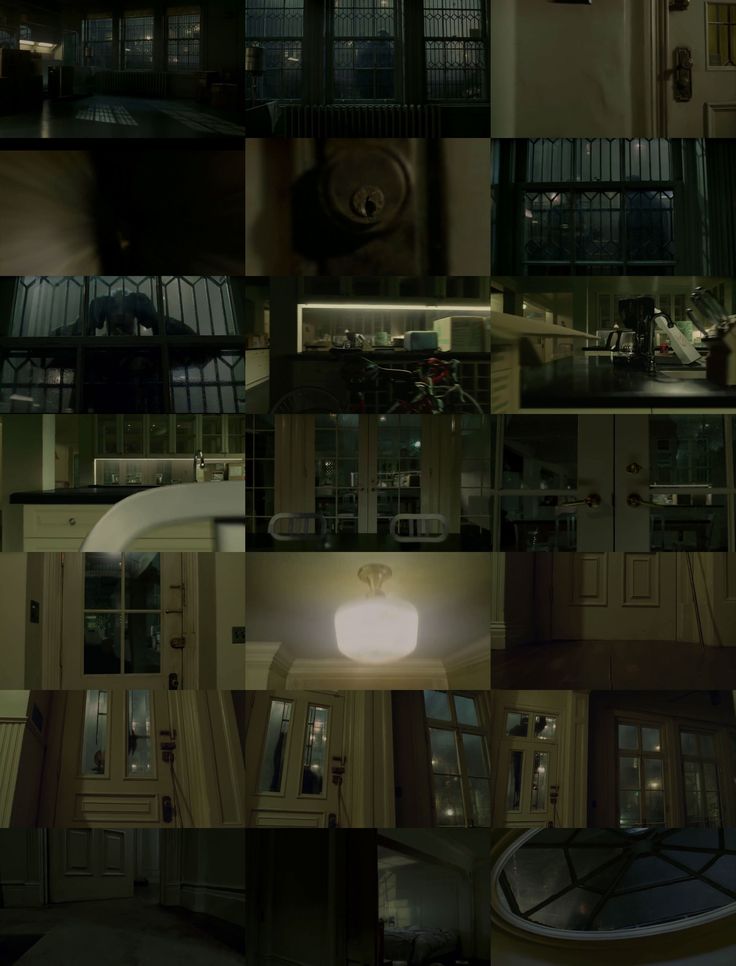


Consequently, the demand for panic room installations grew, leading to increased innovation in the industry. Companies began offering more advanced features, like bulletproof glass, state-of-the-art ventilation systems, and even survival kits. The luxury market for panic rooms expanded, with some high-end models costing upwards of $200,000.
The Future of Panic Rooms and Home Security
The influence of "Panic Room" on the home security industry isn't likely to fade anytime soon. As threats to personal safety evolve, so too will the demand for robust security measures. Panic rooms, enhanced alarm systems, and other high-tech security features are expected to remain in high demand, with the industry continuing to innovate and adapt to meet these needs.
Moreover, the impact of "Panic Room" on mainstream cinema has paved the way for more films to utilize the unique setting of a panic room. As long as there's suspense to be had and stories to be told, the concept is likely to maintain its grip on both the silver screen and the real-world home security market.
In the final analysis, the phenomenon of the "panic room box office" illustrates the profound impact that cinema can have on society. A film like "Panic Room" can not only entertain but also influence trends, shape perceptions, and drive real-world change. As audiences continue to craving suspenseful thrillers, it's a safe bet that the power of the panic room will remain a potent cinematic force.
Related Articles

"Smartest Guys in the Room: Your Deep Dive into Insightful Conversations"
The "Smartest Guys in the Room" podcast, launched in 2016, has swiftly carved out a niche for itself in the realm of online discourse, offering a unique blend...

Joe Rogan Interviews 'Smart Guy': A Deep Dive into Intelligence & Success
In the ever-evolving landscape of podcasting, one name has consistently risen to the top: Joe Rogan. With "The Joe Rogan Experience" (JRE), he's not just...

Futura Smart Sink Review: A Deep Dive into the Future of Bathroom Design
Ever dreams of a kitchen sink that's not just functional but also innovative and sleek? Welcome to the future with the Futura Smart Sink, a cutting-edge...

Martin D-10E Review: Expert's Deep Dive Into Sound and Playability
The Martin D-10E, an acoustic-electric guitar, is a highly renowned model by Martin Guitar, a respected name in the acoustic guitar industry since 1833. This...

Maximize Space: Transform Your Small Office into a Cozy Library Room
Imagine transforming a small, often underutilized office space into a cozy, productive library-inspired haven. A small library office room not only adds charm...

Is Cabi Worth It: A Deep Dive into Cabi's Quality & Reputation
In the ever-evolving fashion landscape, consumers are increasingly seeking not just stylish clothing, but also brands that align with their values. One name...