Ideal Switches: Unveiling Their Key Properties
When selecting switches for your electrical installation, you want to ensure you're choosing the best fit for your needs. But with the multitude of options available, it can be challenging to determine what truly makes a switch "ideal". Let's delve into the properties that define the perfect switch, guiding you through the process of making an informed decision.
Before we dive into the specifics, it's crucial to understand that there's no universally perfect switch. Ideal properties largely depend on your unique requirements, such as the type of circuit, your budget, and aesthetic preferences. Nevertheless, there are several key properties that can help you narrow down your options.
Quality and Durability
The ideal switch should withstand the test of time and heavy usage. High-quality materials, such as brass, indicate a product designed for longevity. Moreover, robust mechanisms like stainless steel springs and reinforced lever actions ensure consistent performance and durability.

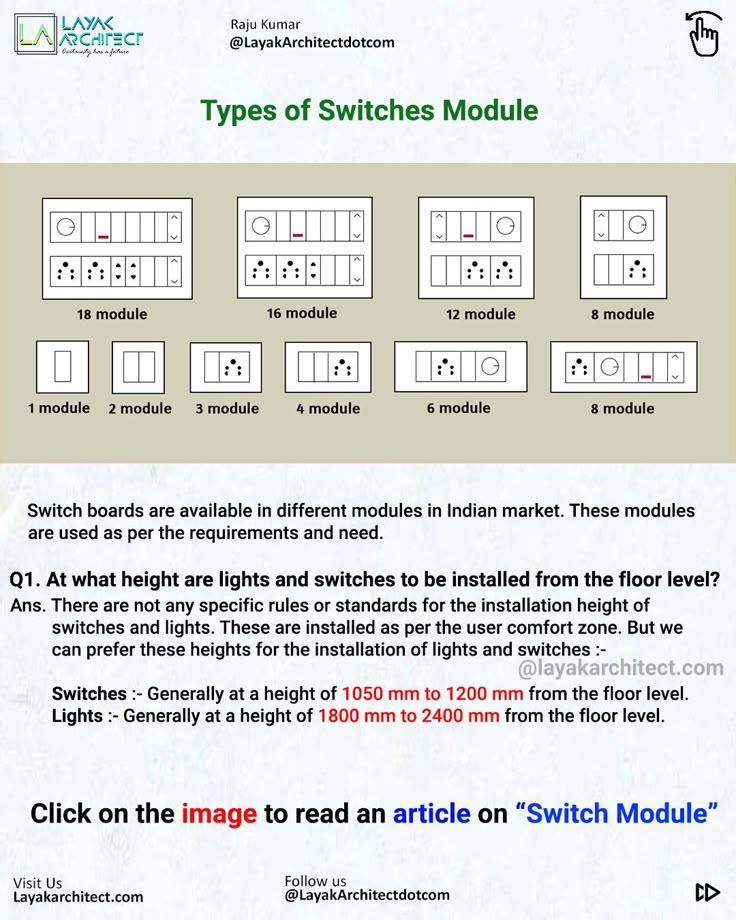

Always investigate the manufacturer's reputation and customer reviews to gauge the overall durability of their products.
Safety Features
Safety should always be a top priority. The ideal switch features an automatic shutoff mechanism that prevents electrical arcing, reducing the risk of fires. Additionally, switches with concealed terminals help safeguard against accidental contact with live parts.


Look for switches that meet the highest safety standards, such as VDE, BS, or UL certifications, for added assurance.
Ease of Installation and Use
Time is money, especially when it comes to installing electrical components. The perfect switch should be easy to install and wire, often featuring color-coded terminals and simple mounting methods.
Also, consider how user-friendly the switch is. Large, tactile buttons, clear markings, and easy-to-understand mechanisms can make a significant difference in everyday life, especially for individuals with visual or manual impairments.


Electrical Capabilities
The ideal switch needs to handle your circuit's electrical demands efficiently and safely. Consider the amperage, voltage, and load type when selecting a switch. For example, heavy-duty switches are suitable for high-amperage circuits, while those specifically designed for inductive loads provide better performance with motors and similar applications.
Some switches also offer unique electrical capabilities, such as remote control or dimming functionality. If your project warrants these specialized features, they should factor into your decision.
Smart Switch Compatibility
As home automation becomes increasingly prevalent, it's important to future-proof your switch choice. Ensuring that your switches are compatible with smart home systems can save you from costly replacements down the line.


Furthermore, smart switches often provide additional features like energy monitoring, scheduling, and voice control, which can enhance your lifestyle and potentially improve energy efficiency.
Design and Aesthetics
The ideal switch should not only function flawlessly but also complement your space's aesthetics. Consider the switch design, finish, and color to ensure it harmonizes with your decor.
Many manufacturers offer a wide range of styles, from classic to contemporary, and finishes, such as matte, metallic, or glass. If you have specific design preferences, it's wise to explore these options before making a decision.
Ultimately, finding the perfect switch requires careful consideration and research. By focusing on the properties discussed above and evaluating your unique requirements, you'll be well on your way to discovering the ideal switch for your needs. Happy switching!
Related Articles

VR vs. Simulation: Unveiling Their Key Differences
Virtual Reality (VR) and simulation are often used interchangeably, but they are distinct concepts with unique characteristics. While both aim to create...

"Why Kitchens are Essential: Unveiling Their Importance"
The kitchen, often considered the heart of the home, is more than just a space for cooking and eating. It is a hub of activity, a place for creativity, and a...

DV Kitchens Reviews: Unveiling the Truth About Their Quality and Service
When it comes to transforming your culinary space, it's essential to consider not just the aesthetics, but also durability and functionality. DV Kitchens, with...

Understanding Chinese Logos: Unveiling Their Meaning
In the vast world of branding, there's a language that transcends cultural barriers, whispering stories through symbols and colors: logos. Among these, Chinese...

The Magic of Smart Goals: Unveiling Their Importance in Nursing
Nursing, a profession rooted in compassion and care, is driven by tangible goals and measurable outcomes. In today's dynamic healthcare landscape, setting...

K9 Global Rescue Reviews: Unveiling Their Heroic Services
Embarking on a responsible pet ownership journey involves ensuring the safety and well-being of your furry friend. For dog lovers seeking the ultimate in...