Best Countries for Quality of Life: 2023 Global Quality of Life List
Measuring the quality of life is a complex task, involving numerous factors that range from socioeconomic indicators to environmental factors. This has led to the creation of various lists and indices by organizations such as the United Nations, the Legatum Institute, and the U.S. News & World Report, each with its unique methodology. This article explores some of the most prominent quality of life lists by country and the key factors contributing to a high ranking.
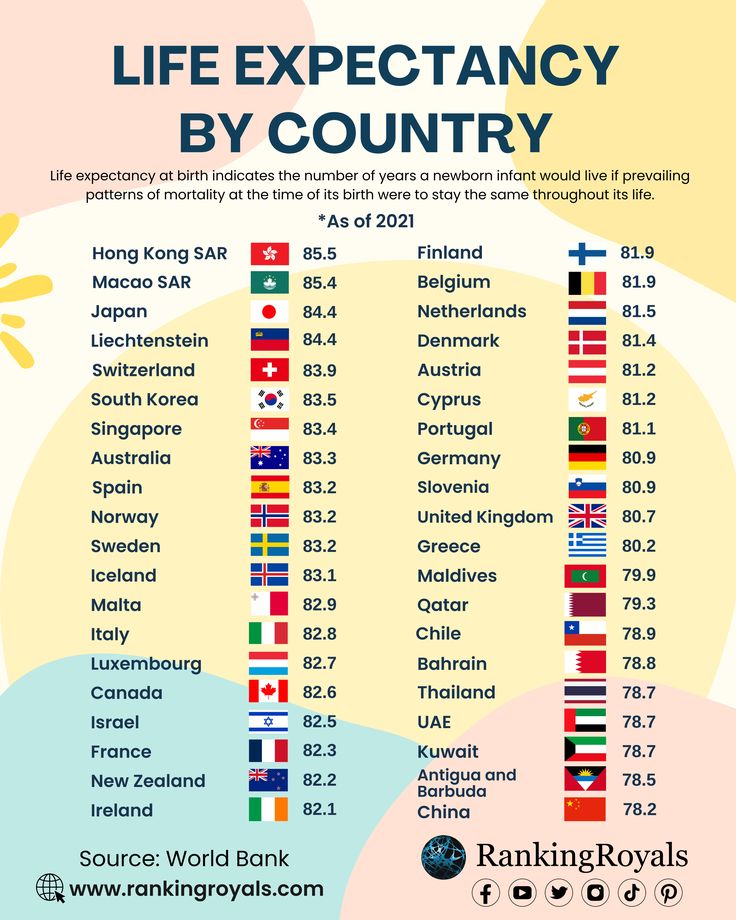
The United Nations' Human Development Report (HDR) is one of the most widely cited quality of life lists. it measures life expectancy, education, and per capita income to calculate a Human Development Index (HDI) for each country. The 2020 HDR report places Norway at the top, with a score of 0.957, reflecting the country's robust social welfare system, high life expectancy, and excellent educational attainment.
Economic Factors in Quality of Life
The Legatum Institute's Prosperity Index (PI) is another prominent ranking, focusing on economic factors and their impact on human flourishing. Topping the 2021 PI is Norway, with a score of 85.7, reflecting its strong economic performance, opportunity, and institutional quality. The PI underscores the importance of a robust economy in enhancing the quality of life, with prosperous countries scoring high on factors like property rights, access to credit, and entrepreneurial conditions.


generating wealth is indeed a critical aspect of the quality of life, but it is not the only factor to consider. The U.S. News & World Report's Best Countries rankings include a 'Quality of Life' category that considers affordability, economic stability, family-friendly policies, income equality, safety, and overall satisfaction with life.
Social and Environmental Factors
The World Happiness Report, published annually by the Sustainable Development Solutions Network, takes a broader view, focusing on social and environmental factors. It uses factors like generosity, social support, life expectancy, freedom to make life decisions, and the absence of corruption to calculate the World Happiness Score. Finland, which frequently tops happiness rankings, scored 7.858 out of 10 in the 2021 report, underscoring the importance of work-life balance, inclusivity, and public trust in institutions.


Environmental factors are also crucial to the quality of life. The Environmental Performance Index (EPI), developed by Yale University and Columbia University, ranks countries based on 28 performance indicators across nine categories, including air quality, water and sanitation, and climate and energy. Switzerland topped the 2020 EPI, reflecting its commitment to sustainability and ambitious climate action.
Cultural and Political Factors
Cultural and political factors also play an essential role in shaping the quality of life. The Democracy Index, compiled by The Economist Intelligence Unit (EIU), provides a snapshot of the state of democracy throughout the world. It ranks countries based on the electoral process and pluralism, civil liberties, the functioning of government, political participation, and political culture. Norway tops the 2020 Democracy Index, demonstrating the strong correlation between democratic governance and the quality of life.
In conclusion, while there are numerous quality of life lists focusing on different aspects, one thing is clear: the quality of life is a multifaceted concept that encompasses economic, social, environmental, cultural, and political factors. As we continue to develop and refine our understanding of this concept, it becomes increasingly important to consider the full spectrum of factors contributing to a high quality of life, and to strive towards policies that promote a happy, healthy, and prosperous life for all.



Related Articles
Top Countries for Quality of Life: Your 2023 List
The concept of a high quality of life is subjective, varying from person to person, and is influenced by a multitude of factors. Governments worldwide work...
World's Lowest Quality of Life 2022: Comprehensive Country List
The term "quality of life" is a metric that refers to the general well-being of individuals in a society, encompassing factors like health, education, wealth...

"Define Quality of Life: Top Lists and Insights"
Embarking on a quest to improve our daily lives is a journey that countless individuals undertake. The Quality of Life List, a comprehensive guide to enhancing...

CNBc Quality of Life List: Where to Live, Work & Thrive
The CNBC Quality of Life List is an annual ranking of the best countries to live in, based on a detailed analysis of factors that affect people's lives...
Top Quality of Life Cities in 2026: The Ultimate List
As we approach 2026, the concept of quality of life continues to evolve, shaped by advancements in technology, shifts in societal values, and global efforts...

Is Alexa Global? Play Radio Stations from Any Country
Alexa, Amazon's virtual assistant, has revolutionized the way we interact with our smart devices, including playing music and radio stations. But can Alexa...