Science Fair Design Ideas
Kickstarting creativity in young minds, science fairs provide an unparalleled platform for students to explore, question, and innovate. Designing an engaging and informative project can seem daunting at first, but with the right inspiration and guidance, every student can create an exceptional display. Today, we delve into the fascinating world of science fair design ideas, offering you a treasure trove of concepts that will captivate judges and audience alike.
Science fairs aim to stimulate curiosity and foster a deeper understanding of scientific principles. By presenting your findings in an organized, engaging, and visually appealing manner, you'll enhance both learning experience and the wow factor of your project. So, let's embark on this exploratory journey, fueled with enthusiasm and armed with an array of design ideas that are sure to inspire.
Interactive and Kinesthetic Designs
Engage all senses and tap into the power of kinesthetic learning with interactive science fair displays. These hands-on projects allow participants to interact with your findings, fostering a deeper appreciation for your scientific nobility.


Consider creating a "sandbox simulation" of a landscape affected by erosion to demonstrate the power of water and wind. Fill a clear container with layers of different-colored sand, gravel, and clay, then use spray bottles and fans to mimic rainfall and gusts. As your participants marvel at the "real-life" erosional processes, they'll scarcely notice the intricacies of marvelous science at play.
Build-and-Take-Apart Structures
Inspire constructive curiosity with build-and-take-apart models. These intricate structures not only showcase your engineering prowess but also reinforce key physics concepts in a tangible, eye-catching way.


Construct a scaled-down prototype of a suspension bridge, complete with Floatation Bridge deck, tower, and supports. This hwiefescan serve as an interactive teaching tool, explaining the fundamentals of bridge design, the importance of counterweights, and the principles of tension and compression. Encourage participants to rebuild and modify your design, challenging them to explore the limits of their own ingenuity.
Puzzle Your Audience
Challenge your audience's problem-solving skills with puzzles that illustrate essential scientific concepts. These mental workouts make learning fun and extend the life of your exhibit long after the fair has ended.
Design a series of tangram-inspired puzzles, each one dissecting and showcasing a different geometric shape. Assign each shape a lower-case letter, and provide cryptic clues that hint at the shape's properties, encouraging participants to put the pieces together – both physically and mentally – to discern the hidden letter. Once the puzzles are complete, they'll spell out an igniting word or phrase that connects back to your main topic.



Multimedia Storytelling
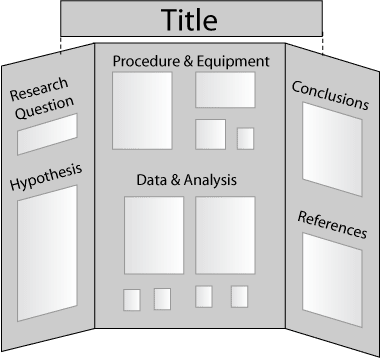
Clone traditional poster boards with dynamic multimedia presentations that bring your project to life through sight, sound, and even taste!
Enhance your "Sources of Energy" display with an animated video illustrating the life cycle of alternative energy sources, from extraction and production to distribution and consumption. Place a mirror above the screen, creating an interactive infinity effect that envelops viewers in your presentation and transmits the importance of renewable resources.
The Sensory Slide Show
Transport fair-goers on a multi-sensory journey with a vivid, engaging slideshow that illuminates key findings and reinforces scientific ideas.


Develop a slideshow exploring the science behind food preservation, complete with photographs, clips, and audio tracks that highlight various processes, such as canning, smoking, and freezing. Offer participants a "taste-test" bar Graph displaying the retained nutrient levels in preserved foods, allowing them to sample a variety of delights while reflecting on the power of preservation and the role of food security in our daily lives.
Virtual Reality and Augmented Reality for Science Fairs
Unlock the doors of perception with VR and AR experiences that immerse viewers in your subject matter like never before!
Work with your school's multimedia department to develop an AR app that («augments'»" your display with a wealth of additional information, images, and videos. Create a time-lapse visualization of climate change, for example, overlaying an historical map of terrestrial features with a real-time digital layer that illustrates the effects of global warming. As your audience views your predictor, swipe your finger across the screen to watch the ravages of climate change come to life – while keeping a finger on the pulse of your topic.
Sustainable Designs for Science Fairs
Fgnite the green movement with eco-friendly displays that showcase your knowledge and your commitment to our planet.
Craft your "Save the Bees" project from responsibly-sourced materials like recycled paper, reused milk jugs, and compostable bamboo skewers. Create a "Bee City," complete with borers, hives, and wind chimes, and explain how each component supports a thriving bee ecosystem. This beehive of activity creates an inspirational model for pollination-friendly spaces and shows that/User-friendly science doesn't have to cost the Earth.
Upcycled Science: Trash to Treasure
Transform trash into treasure with creative, eco-friendly designs that demonstrate your scientific know-how while minimizing waste.
Ideal for a "Fizzy Fun with Food" exhibit, use recycled plastic bottles and cups to create a glowing exhibit of acid-base indicators. Pour a small volume of red cabbage juice into each upcycled container and drop in a different type of food, such as baking soda (acid), vinegar (base), or lemon juice (base). As the molecules interact, watch your "indicators" change color before your eyes – while your trash-loving audience marvels at the ready conversion of waste into a workable, eye-catching display.
Grow as You Go
Living displays demonstrate the power of cultivation and can serve as a fitting capstone for projects centered on plant biology, genetics, or sustainability.
Design a vertical garden showcasing the dynamics of plant growth and nutrient requirements. Suspend a series of pots in a beautiful grid and plant a variety of species, labeling each with the nutrient deficiency or excess it will eventually exhibit. As your plants grow and develop, remove them one by one for closer examination, highlighting symptoms of stagieta and nutrient imbalance while discussing the importance of responsible garden management in the wider context of ecological health.
Science fairs offer a unique opportunity to explore the boundless realm of scientific discovery while honing your presentation and design skills. Whether you're engaging your audience with puzzles and games, immersing them in a multimedia wonderland, or inspiring them with sustainable design, the ideas and projects presented here offer a bold blueprint for captivating science fair displays. So, why wait? Get started today, and watch as your creative visions take flight!
Related Articles

Enhance Your Science Fair: 10 Practical File Decoration Ideas for Physics Projects
When embarking on a physics project, the front page design can set the tone for the entire presentation. A well-decorated file not only showcases your...

Science Fair Decoration Ideas: Creative & Practical
Transforming your science practical reports from dull and monotonous to engaging and professional is a breeze with the right decoration techniques. File...

Science Fair Decor: 25+ Easy & Creative Ideas for Your Project
Bringing a touch of creativity to your science practical file doesn't just make it visually appealing, but also enhances learning and retention. Incorporating...

Science Fair: Front Page Decoration Ideas
The front page of a science practical file is often the first impression of your project, and it's crucial to make it engaging, informative, and visually...

Breaking Ground: Science Fair Ideas for Lava Lamps
Capture the awesome power of geological phenomena and bring it into your classroom with these engaging and educational science fair lava lamp ideas. By...

Decorate Your Science Fair Front Page with These Practical Ideas
The front page of a science practical file is akin to the foyer of a grand library, setting the tone for the research journey that follows. Decorating it...