Switch Board vs Switchboard: Which is Right for Your Needs
In the realms of electronics and power distribution, the terms "switch board" and "switchboard" often crop up in conversation. At first glance, they might seem interchangeable, but they are distinct, and understanding the difference can help in more informed decision-making for various applications. Let's delve into the nuances of these terms.
These two terms are central to electrical infrastructure and operation, serving different purposes within power and control systems.
Switch Board - A Panorama of Electrical Control Systems
The term "switch board" is more encompassing and refers to the collection of electrical switches, circuit breakers, fuses, and other control devices assembled in an enclosure. It can encompass a wide array of electrical protection, monitoring, and control elements.


Switch boards usually serve as a hub for power distribution, enabling easy switching, protecting circuits from overloads, and providing insights into system status through indicators and meters.
Residential Switch Boards: Gateway to Home Electrical Control
In residential settings, switch boards often refer to the centralized control panel that manages electricity flow throughout the home. Here, features like safety shutdowns, circuit protection, and activity monitoring are integral.


Modern residential switch boards often incorporate advanced features like remote monitoring, smart control capabilities, and automated safety protocols to enhance utility and convenience.
Industrial Switch Boards: The Backbone of Power Distribution
In industries, switch boards constitute the spine of electrical systems, enabling efficient power allocation across different machinery and processes. Here, they often handle heavier loads and perform under arduous conditions.
Industrial switch boards typically incorporate robust protections against power surges, voltage transients, and other environmental hazards, ensuring uninterrupted performance and longevity.


Switchboard - A Focal Point of Electrical Switchgear
Contrarily, the term "switchboard" is more focused and specifically refers to an assembly of switching devices, such as switches, breakers, or relays, which control and protect electrical circuits. It's a subset of a switch board, excluding other auxiliary and control elements.
Switchboards are often motorized or integrated with protective systems to ensure automatic control over complex electrical processes.
enca switchboards: Facilitating Machine Control and Safety
In manufacturing, switchboards stand as the command center for machinery, facilitating control and protecting power distribution to sensitive equipment. They typically feature manual and/or remote control capabilities.


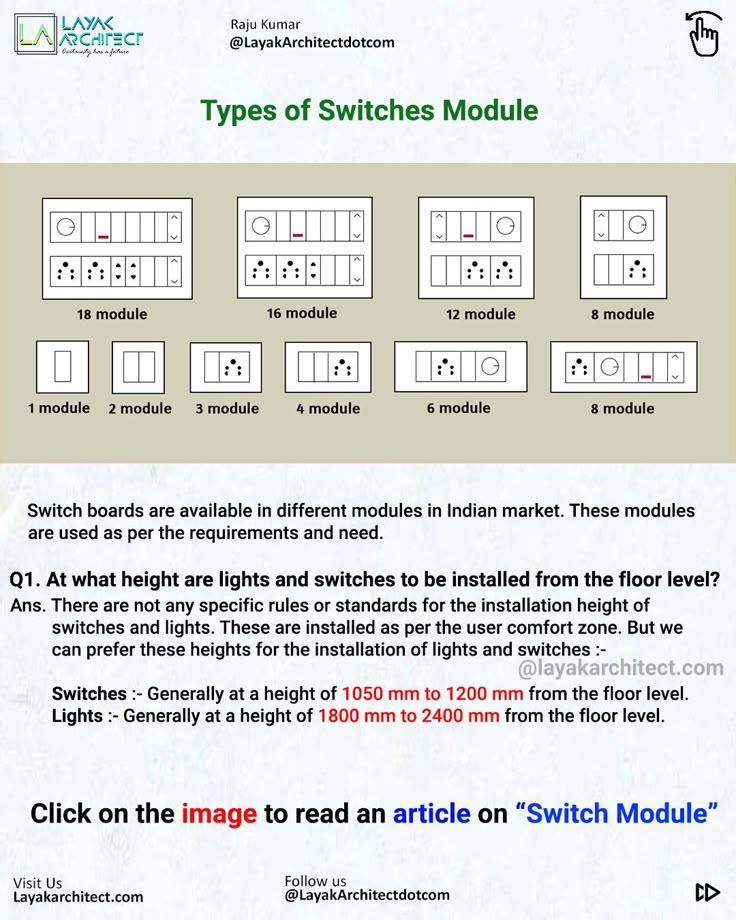


Motor control centers (MCCs), a specialized form of switchboard, are integral here, managing the power demands of motors and maximizing their efficiency.
Utility switchboards: Power Transmission and Distribution Management
In power transmission and distribution systems, switchboards play a pivotal role in managing electricity flow between various segments, feeding the grid and customer premises.
Utility switchboards often consist of automatic switchgear that uses signals from SCADA systems or other synchronized sources to respond quicker and more effectively to system changes.
Understanding the distinction between a switch board and a switchboard is crucial for enhancing the performance and safety of electrical systems, whether in residential, industrial, or utility scenarios. It allows for the accurate planning and deployment of power control infrastructure tailored to unique electrical demands. By embracing this knowledge, electrical engineers, technicians, and consumers alike can make more informed decisions, thereby driving optimal functionality and efficiency in diverse electrical settings.
Related Articles

Smart Board vs Touch Screen: Which is Right for Your Classroom?
In the dynamic world of educational and collaborative technology, two leading contenders have emerged to transform the way we interact with digital content...
Touch Screen TV vs Smart Board: Which is Right for Your Classroom?
In the digital classroom and modern workplace, both touch screen TVs and smart boards have emerged as leading tools for interactive learning and collaboration...

No Hub vs Smart Switch Hub: Which is Right for Your Home?
The smart home revolution is transforming the way we live, with one of the most contentious topics being the use of a smart switch hub versus going hub-less...

Switch vs Hub Ethernet: Which is Right for Your Network?
In the ever-evolving world of networking, the choice between switch vs hub Ethernet has shifted beyond mere acronyms, warranting a thorough understanding of...

Premium vs Permanent Vinyl: Which is Right for Your Home?
When it comes to selecting the right vinyl material for your flooring project, you might find yourself choosing between premium and permanent vinyl. Both types...

Span vs Smart Electrical Panels: Which is Right for Your Home?
When it comes to managing and monitoring the electrical systems in a home or office, there's a clear divide between traditional and advanced solutions. Two...