Understanding Types of Light Switches: Electrical Variations
Light switches control the flow of electricity, thereby illuminating or powering our spaces. Understanding the various types of light switches electrical is crucial for safe and informed installation, repair, or replacement. This guide delves into the most common types of light switches, their uses, and applications.
Light switches are categorized based on their function and mechanism. Let's explore the two primary types: single-pole switches and three-way switches, each serving unique purposes in residential and commercial settings.
Single-Pole Switches
Single-pole switches are the most common and straightforward type, controlling a single light or electrical device from one location.


Basic Single-Pole Switch
Also known as single-pole, single-throw (SPST), these switches consist of a fixed contact, a movable contact, and a spring to maintain contact. They have either a toggle or rocker switch design, which can be flipped back and forth to turn the power on or off.
Basic single-pole switches are suitable for lighting fixtures where only one switch is required, such as wall sconces, table lamps, and ceiling-mounted lights in single-entry rooms like bathrooms or closets.

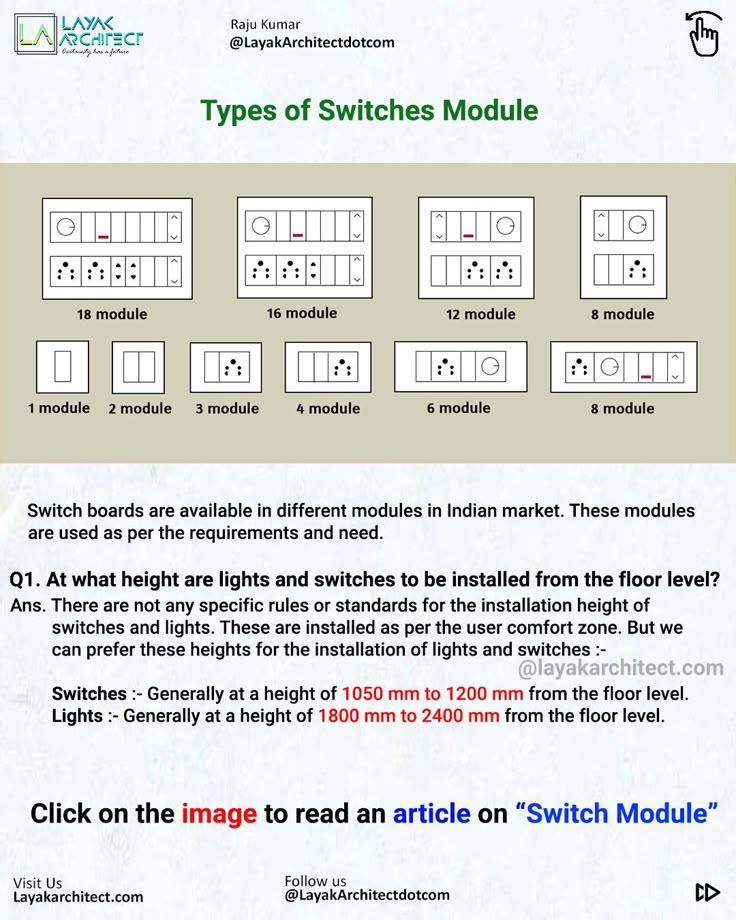

Three-Way Switch
A three-way switch, not to be confused with the three-way light switch, controls two different paths for electricity. It contains four terminals, allowing it to connect to two different switches in a system, making it perfect for areas requiring multiple switch points.
Three-way switches are commonly used in hallways, staircases, and larger rooms with multiple entry points. They enable users to toggle the light on or off from any point, enhancing convenience and functionality.
Three-Way Light Switches
Three-way light switches, also known as three-way switches with a light, are designed to control lights or appliances from two different locations.


Single-Pole, Three-Way Switch
The single-pole, three-way switch is composed of three terminals: one common and two traveler terminals. It works in conjunction with another three-way switch to create a convenient switching system for lights or appliances.
These switches are perfect for managing lights in longer hallways, staircases, or multi-room spaces where controlled access to the power source is desired. They must be wired in pairs, with each switch connected to the other, ensuring proper function and safety.
Four-Way Switch
A four-way switch combines two three-way switches into one unit, enabling light or power control from three or more locations. It contains four terminals: three traveler terminals and one common terminal.


Four-way switches allow flexibility and convenience in larger homes, office spaces, or public facilities with multi-point control requirements. However, keep in mind that they must be wired in a specific sequence and connected to at least one standard three-way switch to function correctly.
Understanding the different types of light switches is essential for ensuring the right fit for your specific needs. Always consult with a licensed electrician when installing or repairing electrical components to ensure safety and compliance with local codes and regulations.
Related Articles

Types of Light Switches PDF: A Comprehensive Guide
Light switches, the unsung heroes of our households, come in a variety of types to meet different needs and standards. Understanding the types of light...

Best Smart Light Switch Brands: Top Picks for 2023
In the bustling world of smart home technology, one decision that significantly impacts your home's functionality and aesthetics is choosing the best brand for...

**Dual Control: Smart Switch for Two Light Switches**
Imagine you have a room with a light that needs to be controlled from two different locations. Instead of tangled Extension cords or inconvenient wiring...

Best Light Bulbs for Bedroom: Types & Brightness
féminine lighting , creating a warm and inviting ambiance in your bedroom is crucial for relaxation and comfort. So, choosing the right type of light bulb...

Understanding Autism Varieties: Types of Autism Spectrum Disorders
Autism spectrum disorder (ASD) is a complex neurodevelopmental condition that impacts social interaction, communication, and behavior patterns. It's a broad...

Smart Light Switches: The Best Choices for Your Home
In the ever-evolving landscape of smart home technology, one device has emerged as a game-changer: the smart light switch. Replacing traditional switches with...