Types of Light Switches: Names Explained
In the realm of home improvement and electrical systems, one component stands out as both functional and aesthetically important: the light switch. More than just an on/off tool, light switches come in various types, each serving a unique purpose. Understanding the different types of light switches is essential for practical reasons, such as ensuring safety and energy efficiency, as well as for aesthetic considerations when renovating or decorating your home. Let's delve into the world of light switches, exploring their types and functions.
Light switches, although seemingly simple, are engineering marvels that have evolved over time to cater to diverse needs. They not only control lighting but also power outlets, appliances, and even heating systems. With this in mind, let's explore the primary types of light switches, categorized into two main groups: Single Pole and Multi-Way switches.
Single Pole Switches
Single Pole switches are the most common and are typically used to control a single light fixture or circuit. They have two terminals, one connected to the power source and the other to the light or appliance. The switch toggles the circuit on and off.


Single Pole switches come in several variations, each with its unique features and functionalities:
Toggle Switches
Toggle switches, characterized by their lever-like handle, are the most basic and commonly used. They are easy to operate and can be used for both dimming and non-dimming applications. The toggle action ensures that the switch is clearly in the 'on' or 'off' position, enhancing safety and usability.
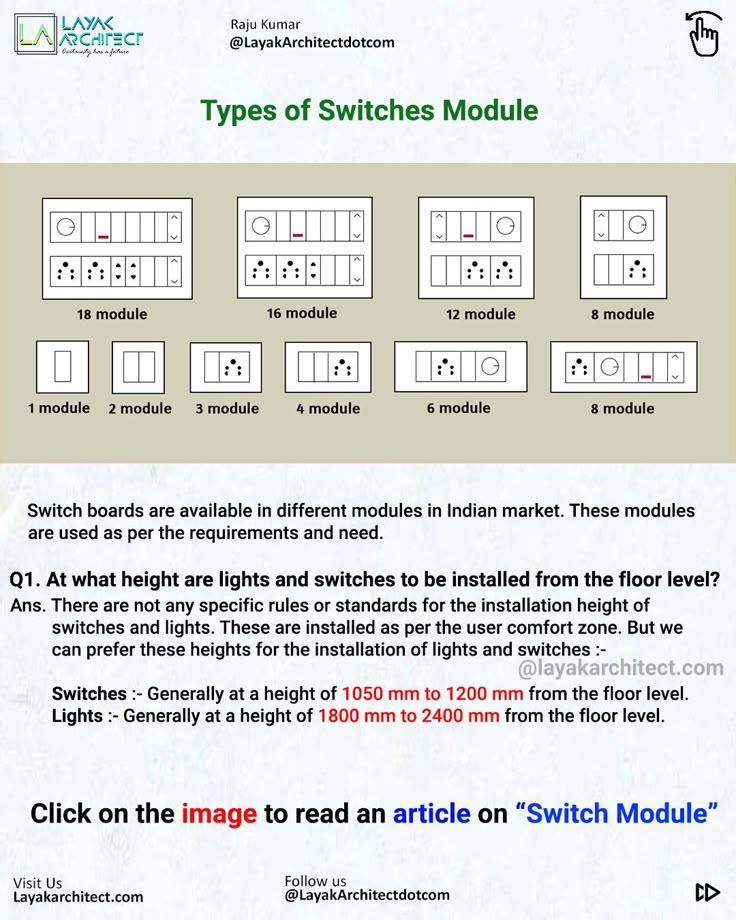


Toggle switches are further categorized into Decorator switches (with covers) and Non-decorator switches (open face). The latter is more commonly used in garages, workshops, and other industrial settings, while decorator switches are typical in residential homes and offices.
Roxwell Switches
Roxwell switches, named after their distinctive rocker-style handle, are another type of Single Pole switch. They are often used in dimmer applications due to their smooth, continuous action. Roxwell switches are available in both decorator and non-decorator styles, offering a sleek, modern aesthetic.
Some Roxwell switches also feature a 'midpoint' position. This allows for easy adjustment of lighting levels without frequent changes in the switch's direction, making them an excellent choice for stairways and hallways.


Multi-Way Switches
Multi-Way switches are designed to control a single light or circuit from multiple locations, such as in large rooms or long hallways. They consist of at least two Single Pole switches connected in series, allowing them to share the same power source and circuit.
Multi-Way switches are ideal for creating multiple access points to control a single light, enhancing convenience and safety. They are available in two primary types:
3-Way Switches
3-Way switches allow you to control a single light from two different locations. They have three terminals and work with a 'traveler' wire that connects the two switches. The most common types of 3-Way switches are the Toggle and Roxwell styles, which can be easily identified by their unique internal configuration and terminal layout.


3-Way switches are often used in staircases, entryways, and long hallways, providing convenient access to lighting control.
4-Way Switches
4-Way switches work similarly to 3-Way switches but can control a single light from three or more locations. They require at least three separate Single Pole switches, with the 4-Way switch acting as the midpoint. This configuration allows for more flexibility in controlling lighting from multiple access points.
4-Way switches are typically used in large rooms, multi-level staircases, and other areas where convenient access to lighting control is essential.
Understanding the different types of light switches is crucial when planning electrical work in your home or business. Whether you're installing new lighting, renovating a space, or simply ensuring the functionality and safety of your electrical system, knowing your switches can make the process smoother and more efficient. Stay informed and stay safe with your electrical work!
Related Articles

Types of Light Switches PDF: A Comprehensive Guide
Light switches, the unsung heroes of our households, come in a variety of types to meet different needs and standards. Understanding the types of light...

Best Smart Light Switch Brands: Top Picks for 2023
In the bustling world of smart home technology, one decision that significantly impacts your home's functionality and aesthetics is choosing the best brand for...

**Dual Control: Smart Switch for Two Light Switches**
Imagine you have a room with a light that needs to be controlled from two different locations. Instead of tangled Extension cords or inconvenient wiring...

Best Light Bulbs for Bedroom: Types & Brightness
féminine lighting , creating a warm and inviting ambiance in your bedroom is crucial for relaxation and comfort. So, choosing the right type of light bulb...

Smart Light Switches: The Best Choices for Your Home
In the ever-evolving landscape of smart home technology, one device has emerged as a game-changer: the smart light switch. Replacing traditional switches with...
Smart Light Switches: The Ultimate Review
Elevate your home's lighting and efficiency with smart light switches. These innovative devices enable voice control, automation, and energy monitoring...