Types of Switches & Sockets: Comprehensive PDF Guide
In the realm of electrical engineering and home improvement, understanding the different types of switches and sockets is crucial for safety, functionality, and aesthetics. These small yet essential components come in various designs and functionalities, catering to diverse electrical needs. Let's delve into the world of switches and sockets, exploring their key types and uses.
From the humble toggle switch to the sophisticated USB socket, each type offers unique advantages, suiting different applications, from residential buildings to commercial spaces and industrial facilities. Understanding the types of switches and sockets equips you with the knowledge to make informed decisions when planning electrical upgrades or renovations.
Types of Switches
Switches play a pivotal role in controlling the flow of electricity, enabling us to turn devices on and off with a flick of a button.


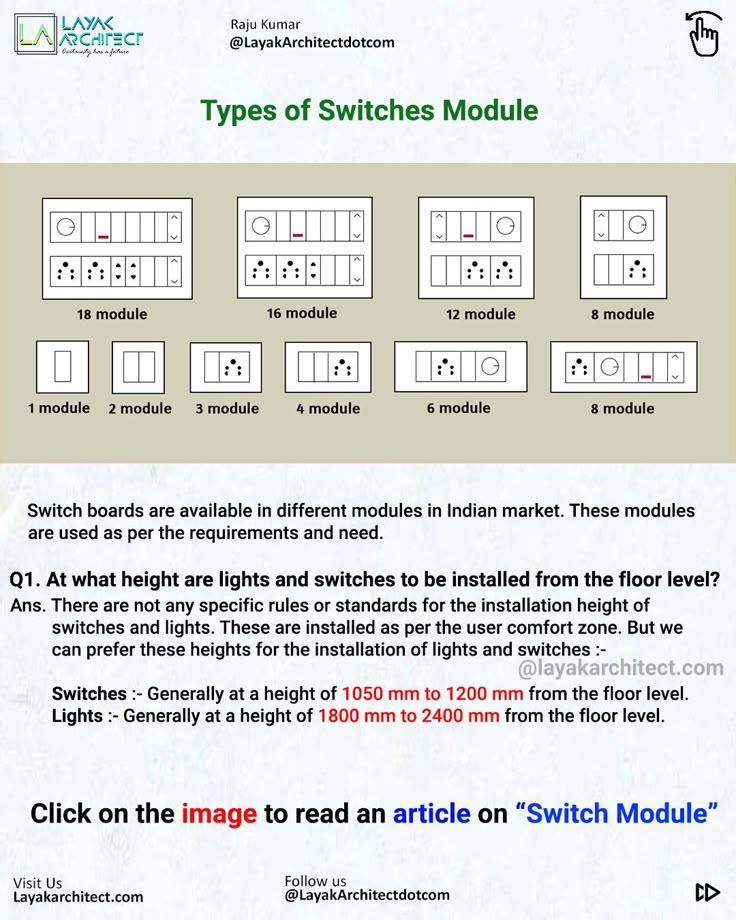
At their core, switches are categorized into two main types: manual switches and automated switches.
Manual Switches
Manual switches, as the name suggests, are operated manually by users. They are further categorized into toggle switches, rocker switches, and DIP switches.


Toggle Switches are the most common type, characterized by a lever that can be switched to 'on' or 'off' positions. They are used in various applications, from residential lighting to industrial controls.
Rocker Switches feature a rocker-like button that is pressed to turn the switch on or off. They are often used in appliances and vehicles due to their durability and easy operation.
DIP Switches (Dual In-line Package) use a small toggle or button to switch connections on or off. They are primarily used for computer interface control and configuration settings.


Automated Switches
Automated switches, unlike manual switches, are operated automatically in response to specific conditions.
Motion Sensor Switches detect movement in a room, turning lights on or off accordingly. They are energy efficient and ideal for use in bathrooms, storerooms, and staircases.
Timer Switches allow you to set specific on/off times for devices, making them perfect for controlling lighting and heating schedules.


Remote Controlled Switches offer convenience and accessibility, enabling users to control electrical devices from a distance using wireless technology.
Types of Sockets
Sockets facilitate the connection of electrical appliances to the power supply, ensuring a secure and safe electrical interface.
They are primarily categorized by the type of plug they accommodate and the level of protection they offer.
Socket Types
Sockets can accommodate various plug types, depending on the region and the device plug design. Some common socket types include:
Type A (NEMA 1-15) and Type B (NEMA 5-15) sockets are widely used in the United States, Canada, Mexico, and some countries in Central America and Asia.
Type C (CEE 7/16) sockets are common in Europe, South America, and parts of Asia. They are also known as Europlugs, with their corresponding plugs having two round pins.
Type G (BS 1363) sockets can be found in the United Kingdom, Singapore, Hong Kong, and several Commonwealth countries. They accommodate plugs with three rectangular blades.
Socket Protection Levels
Sockets also vary in the level of protection they offer. The most common are:
Plain Sockets offer basic protection, with no additional safety features. They are generally used in households where the risk of electrical hazard is low.
Switched Sockets incorporate a switch, allowing you to control the power flow to the appliance connected to it. They are ideal for controlling power-hungry devices like washing machines or tumble dryers.
Spiked Sockets feature a spike protector, offering surge protection against power spikes and electrical transients. They are beneficial in areas prone to electrical storms or where devices sensitive to power fluctuations are used.
Understanding the types of switches and sockets empowers you to make informed choices when planning electrical fittings, ensuring safety, functionality, and compatibility with your electrical devices. Staying updated with the latest innovations in switches and sockets keeps you at the forefront of electrical convenience and safety.
Related Articles

Types of Switches & Sockets in Ghana: A Comprehensive Guide
In the bustling and developing nation of Ghana, the choice of switches and sockets plays a pivotal role in ensuring safety, convenience, and compatibility with...

Types of Electrical Sockets and Switches: A Comprehensive Guide
Plugging into the world of electrical systems, one can't help but notice the variety of sockets and switches that populate our walls. But do you know the...

Types of Switches & Sockets: A Comprehensive Guide
Switches and sockets are essential components in our daily lives, facilitating the safe and controlled conduction of electricity in our homes and offices...

Types of Light Switches PDF: A Comprehensive Guide
Light switches, the unsung heroes of our households, come in a variety of types to meet different needs and standards. Understanding the types of light...
Illuminating Guide: Exploring Types of Sockets & Switches with Visual Aids
In our modern world, electricity has become an integral part of our daily lives, powering everything from lights to complex appliances. The humble socket and...

Types of Room Windows: A Comprehensive Guide
Windows are integral architectural elements that not only serve functional purposes but also greatly influence a room's aesthetics, natural light, and energy...