10 Essential Characteristics of Ideal Switches: A Comprehensive Guide
When selecting the ideal electrical switch, it's crucial to consider several key characteristics to ensure your choice aligns with your needs and provides both safety and efficiency. The market offers a wide array of switch types, each with its unique features. Identifying the most suitable switch often hinges on understanding these key characteristics.
The ideal switch posseses a blend of durability, aesthetic appeal, functionality, and cost-efficiency. It should be capable of handling the electrical load while ensuring the safety of both the users and the system. Moreover, it should match the decorative scheme of your space to add to its aesthetics.
Understanding Electrical Rating and Load
The first step in selecting the ideal switch involves understanding the electrical rating and.load. Electrical rating signifies the highest amount of current that a switch can safely handle, while the load is the total electrical power consumed by all devices connected to the switch.

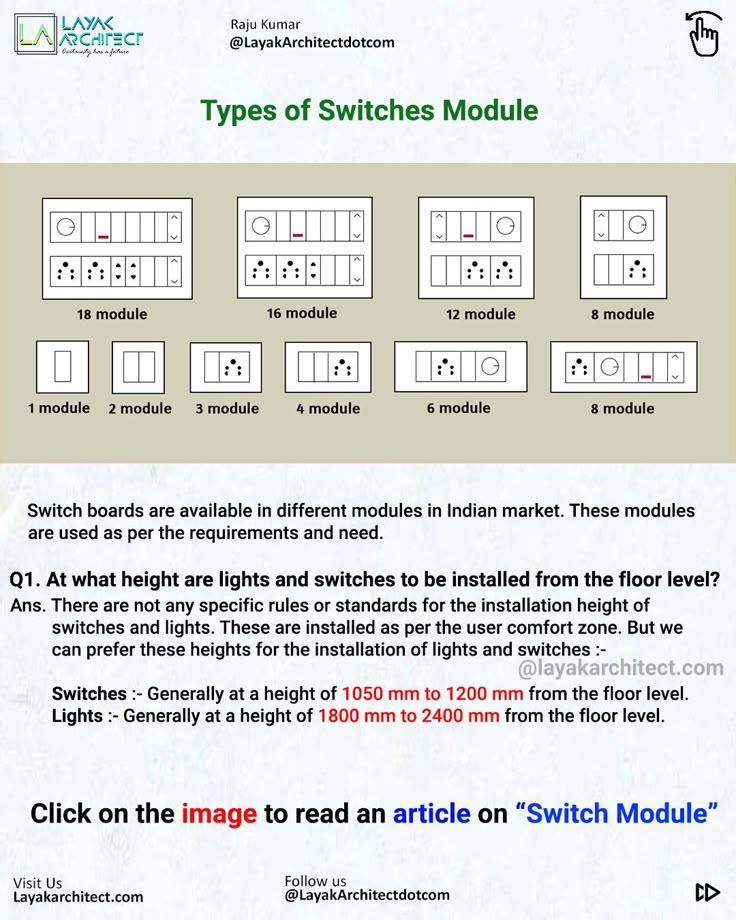

It's critical to choose a switch with a rating that accommodates your total load. For instance, a switch rated 10A can control appliances with a total load of 2300 W (assuming you're working with a 230 V circuit). Going for a switch with a higher rating than necessary might seem arbitrary, but it allows for future increases in load, thus providing a more versatile solution.
Toggle Switches
Toggle switches are popular choices due to their simplicity and versatility. They consist of a lever that flips up or down - signaling to the connected appliance to turn on or off. Typically, they are used for controlling lights or small appliances.


Toggle switches come in different variations, such as single pole (for controlling one device), double pole (for controlling two devices independently), and three-way switches (for controlling lights from multiple locations). They can be installed in various positions, including surface mount, flush mount, or decorative boxes.
Rocker Switches
Rocker switches, also known as toggle switches, use a rocking motion to operate. They are typically used for lighting controls, appliances like microwaves, and home automation systems.
Rocker switches provide more flexibility than typical toggle switches as they can befit both the on-off and dimmer functionalities. They are mostly installed on wall plates or panels and offer an aesthetic appeal that may align with sleeker, modern design schemes.


Safety Features and Design Considerations
Safety should be a primary concern when selecting an electrical switch. Choose switches with features like safety shutters that protect against accidental touches, or appliances that employ arc-fault protection to prevent electrical fires.
Also, consider the design of the switch. Decorative switches can enhance the aesthetics of your space, but ensure they come with the necessary safety features. For areas prone to water spills, such as bathrooms, consider switches with a flat profile to reduce the risk of accidental activation.
In the pursuit of the ideal switch, remember that compromises often lead to inefficient or unsafe choices. By carefully considering the factors outlined above, you can select a switch that performs optimally, ensures the safety of your home, and complements your design aesthetics. The ideal switch is not just a piece of hardware; it is an extension of your lifestyle and a symbol of your commitment to quality and safety.


Related Articles

Essential Kitchen Remodel Must-Haves: A Comprehensive Guide
Embarking on a kitchen remodel is an exciting journey that can transform your home into a space that reflects your personality and improves functionality. To...

"Essential Knife Types: A Comprehensive Guide You Must Have"
Stepping into the culinary world or upgrading your kitchen essentials? Must-have knife types should be at the top of your list. After all, a sharp and reliable...

Ideal Remote Work Environment: A Comprehensive Guide
Creating an ideal work environment, especially when working remotely, is digitally chorographing a space that fosters productivity, creativity, and comfort...

Maximize Comfort & Efficiency: Your In-Depth Guide to Smart Wi-Fi & Bluetooth Light Switches
Welcome to the user manual for your Smart WiFi LED Light Switch! This revolutionary device combines the convenience of smart home technology with the...

Types of Light Switches PDF: A Comprehensive Guide
Light switches, the unsung heroes of our households, come in a variety of types to meet different needs and standards. Understanding the types of light...

Facts and Characteristics of Input: A Comprehensive Guide
In the realm of computing and programming, an input is the data or commands that a user or another computer system provides to a software application, often to...