Wall-Mounted Bar Counter
Transforming your space into a bustling bar hub at home has never been easier, or more stylish, with a wall-mounted bar counter. Not only does it save valuable floor space, but it also adds a sophisticated touch to your living area, making it the perfect blend of functionality and aesthetics.
A wall-mounted bar counter is an excellent investment for those who enjoy entertaining, love DIY projects, or simply want to upgrade their home bar game. But where do you start when choosing the right one? Let's explore the art of selecting and installing a wall-mounted bar counter that's both visually appealing and tailored to your needs.
Types of Wall-Mounted Bar Counters
Before delving into the intricacies of installation, understanding the different types of wall-mounted bar counters can help you make an informed decision.


1. **Freestanding Wall-Mounted Bar Counters:** These are standalone units that can be securely attached to the wall, providing a full-service bar experience. They often come with cabinets, shelves, and sometimes even sinks and dishwashers.
Pros of Freestanding Wall-Mounted Bar Counters
Freestanding units offer ample storage and can be a one-stop-shop for your home bar needs. They are easy to install and provide a seamless, fully functional bar counter.


Their all-in-one nature makes them an attractive option for those looking to minimize DIY work and maximize functionality.
Cons of Freestanding Wall-Mounted Bar Counters
While they offer plenty of storage, freestanding units can be bulkier and might not fit into smaller spaces. They also tend to be more expensive than other types.
2. **Modular Wall-Mounted Bar Counters:** Modular units are made up of individual components, such as cabinets, shelves, and countertops, that can be configured to fit your space and needs.


Pros of Modular Wall-Mounted Bar Counters
Modular units offer unparalleled flexibility in design and can be customized to fit virtually any space. They are also typically more affordable than freestanding units.
The ability to add, remove, or rearrange components makes modular units ideal for those who like to change their space up regularly or have unique layout requirements.
Cons of Modular Wall-Mounted Bar Counters
Modular units require more planning and DIY effort, as they need to be assembled and installed individually. The overall aesthetic may also be less cohesive than a single, freestanding unit.
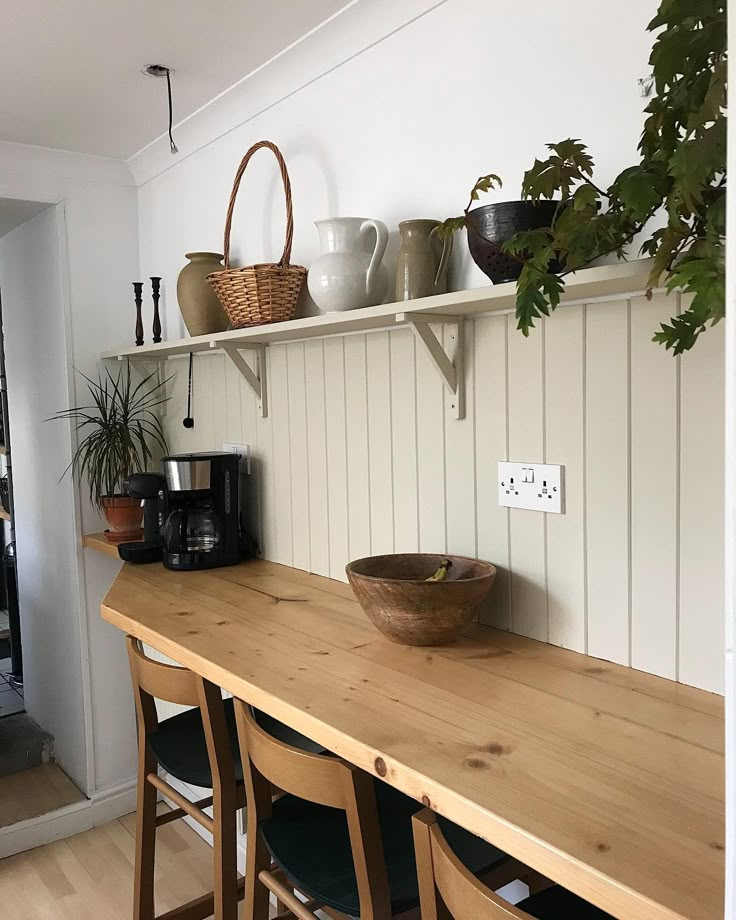


Installing Your Wall-Mounted Bar Counter
Once you've chosen the perfect wall-mounted bar counter, it's time to roll up your sleeves and get it installed. The process involves careful measurement, secure anchoring, and precise leveling.
1. **Measure Twice, Cut Once:** Start by measuring your wall space and the dimensions of your bar counter to ensure a perfect fit. Mark the wall's stud locations to ensure your counter is securely anchored.
Securing the Base Cabinets
Begin by installing the base cabinets or countertop first, if applicable. Ensure they are level and securely anchored to the wall studs using screws or bolts.
2. **Installing the Countertop:** Once the base is secure, attach the countertop. This may involve cutting it to size first. Use a jigsaw or utility knife with a straight edge guide. Ensure the countertop is level and securely attached to the base unit.
Adding Accessories and Finishing Touches
With the main structure installed, it's time to add cabinets, shelves, and other accessories. Attach these according to the manufacturer's instructions, ensuring they are level and secure.
3. **Plumbing and Electrical Work (if applicable):** If your bar counter includes a sink or dishwasher, you'll need to hire a licensed plumber to install the necessary water lines and drains. Similarly, any electrical outlets or lighting should be installed by a licensed electrician.
Finally, stand back and admire your handiwork. Your new wall-mounted bar counter is not only a functional addition to your home but a stylish talking point for guests. So, go ahead, raise a glass, and celebrate your DIY success!
Related Articles

Compact Bedroom Air Con: Small Wall-Mounted Anytime Cool
Tucked away in the corner, sneaky, yet powerful, small wall mounted air conditioners have emerged as bedroom game-changers. If you're tired of sweating out...

Wall-Mounted TV Living Room Ideas
Transforming your living room into a sleek, modern space? A wall-mounted TV can be a showstopper, but only if you've got the perfect layout. Let's explore some...

Wall-Mounted TV for Kitchen: Perfect Space-Saving Solution
Elevate your kitchen space with practical elegance by installing a wall-mounted TV. This innovative solution maximizes counter and floor space, transforming...

Best Wall-Mounted TVs for Your Kitchen in 2023
Transforming your culinary space with the perfect wall-mounted TV can enhance your cooking experience and convenience. With the right TV, you can multitask...

Wall-Mounted Bed Storage: Save Space with Clever Design
In today's space-conscious world, maximizing square footage has become a priority, especially in urban dwellings. One ingenious solution gaining traction is...

Best Wall-Mounted TV Panel Designs for Living Room in 2021
Are you tired of that brassy TV stand dominating your living room or the aerodynamic challenge of navigating around your floor-standing TV? A wall-mounted TV...