Warm vs Soft Light Bulbs: Which is Right for You?
When it comes to selecting the perfect light bulb for your home or workspace, two popular choices often top the list: warm white and soft white. Both types emit a inviting glow, but they differ in their color temperature, a crucial aspect that can significantly impact the atmosphere and ambiance of any space. Let's delve into the differences between warm light and soft light bulbs to help you make an informed decision.
Before we dive deep into the comparison, understanding color temperature is essential. Measured in Kelvin (K), color temperature indicates the warmth or coolness of a light source. Lower Kelvin values represent warm, yellowish tones, while higher values signify cool, blueish hues.
Warm Light Bulbs
Warm light bulbs are designed to create a cozy, intimate atmosphere. They emit a yellowish, warm glow, reminiscent of traditional incandescent bulbs. Typically, warm white lights have a color temperature between 2700K to 3000K.


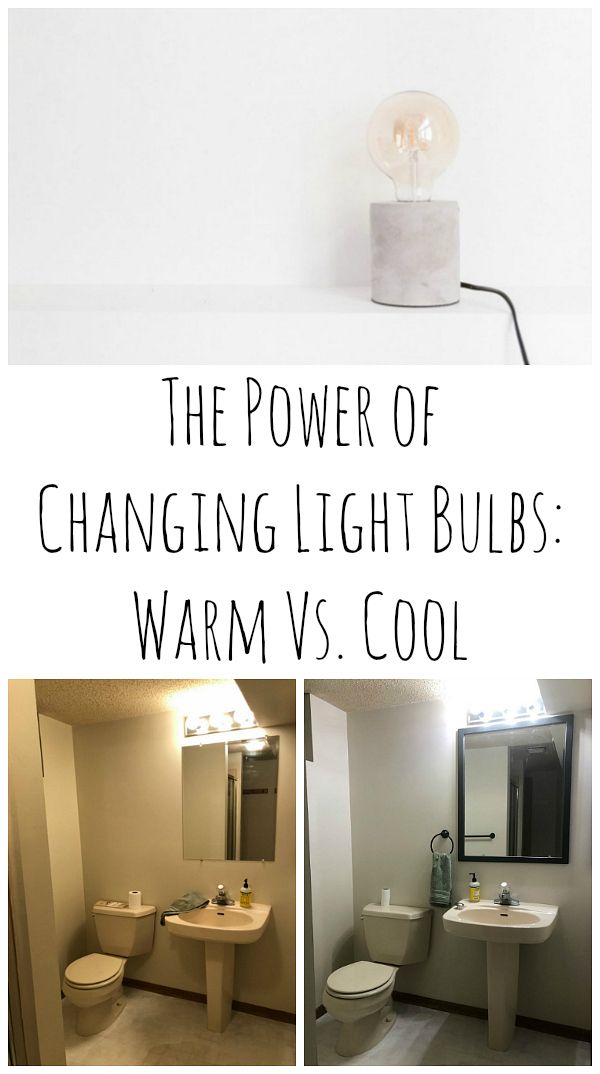
Warm light bulbs are ideal for environments where you want to induce a sense of relaxation and calmness. This makes them perfect for living rooms, bedrooms, and dining areas. They also work well during the evening and night, as their amber hue can simulate the warm glow of a sunset, helping to wind down after a long day.
Uses of Warm Light Bulbs
Warm light bulbs are frequently used in residential settings due to their ability to create a welcoming environment. They are popular choices for:


- Ambient lighting in living rooms and bedrooms
- Accent lighting to highlight decorative features
- Task lighting in places like desk lamps, where a less stimulating light is desired
Warm light bulbs also come in various shapes and sizes, including A-shaped, BR ( Reflector), and globe bulbs, allowing for flexibility in different lighting fixtures.
Drawbacks of Warm Light Bulbs
While warm light bulbs are excellent for creating a relaxed ambiance, they may not be suitable for all environments. For instance, they're not typically recommended for workspaces or commercial settings, where a more alert atmosphere is needed. Additionally, their low color temperature can make it difficult to discern colors accurately.
Soft Light Bulbs
Soft light bulbs, on the other hand, provide a bright, crisp white light similar to natural daylight. They have a higher color temperature, ranging from 3500K to 4100K, making them an excellent choice for task and commercial lighting. Despite their cool tone, soft light bulbs still emit a soft, pleasant light that minimizes eye strain.


Soft light bulbs are perfect for spaces where you need to maintain focus and productivity, such as offices, study rooms, or garage workshops. Their close similarity to daylight also makes them a suitable choice for kitchens and bathrooms, mimicking the natural light that aids in color perception and task completion.
Uses of Soft Light Bulbs
Soft light bulbs are commonly used in commercial settings and workspaces due to their ability to enhance visibility and focus. They are suitable for:
- Task lighting, such as desk lamps and vanity lights
- Ambient lighting in offices, classrooms, and retail stores
- Kitchen and bathroom task lighting
Like warm light bulbs, soft light bulbs come in a variety of shapes and sizes, allowing for flexible installation in different lighting fixtures.


Drawbacks of Soft Light Bulbs
While soft light bulbs can help promote alertness and productivity, they may create an overly harsh atmosphere in living spaces. Additionally, their higher Kelvin rating can emit a more clinical light, which may not be as aesthetically pleasing as warmer tones for decorative or accent lighting.
Choosing between warm light and soft light bulbs ultimately depends on your specific needs and the intended use of the space. By understanding the benefits and drawbacks of each, you can select the perfect light bulb to create the desired ambiance and enhance functionality. So go ahead, cast your space in the perfect light – whether it's the warm embrace of a sunset or the crisp clarity of day.
Related Articles

Best Light Bulbs for Bedroom: Types & Brightness
féminine lighting , creating a warm and inviting ambiance in your bedroom is crucial for relaxation and comfort. So, choosing the right type of light bulb...

"Revolutionize Your Home: Smart Lighting with Linkind Bulbs"
In the realm of smart home technology, one standout innovation has been the transformation of a humble household item into a futuristic device: the smart light...

Is Your Smart Bulb Secure?
In the digital age, smart home devices have become increasingly popular, offering convenience and energy efficiency. However, when it comes to these devices...

"Best Smart Bedside Light Bulbs: Ultimate Convenience and Energy Efficiency"
A well-lit bedside lamp is not only functional but also sets the ambiance for a cozy and relaxing environment. But what if you could transform your humble...

"Smart Bulb vs LED Bulb: Which is Right for Your Home?"
When it comes to illuminating your home or office, you're likely to come across two popular lighting options: smart bulbs and LED bulbs. Both are...

Best LED Bulbs for Outdoor Lamp Posts
When it comes to illuminating your outdoor spaces, choosing the right light bulb for your lamp post is crucial. Not only does it affect the aesthetic appeal...