When to Use Warm vs Cool Light: The Ultimate Guide
When it comes to lighting, the choice between warm and cool light can significantly impact the atmosphere, mood, and even productivity of a space. But when should you use each? This guide will help you understand the differences, benefits, and best use cases for both, ensuring you make the right choice for every setting.
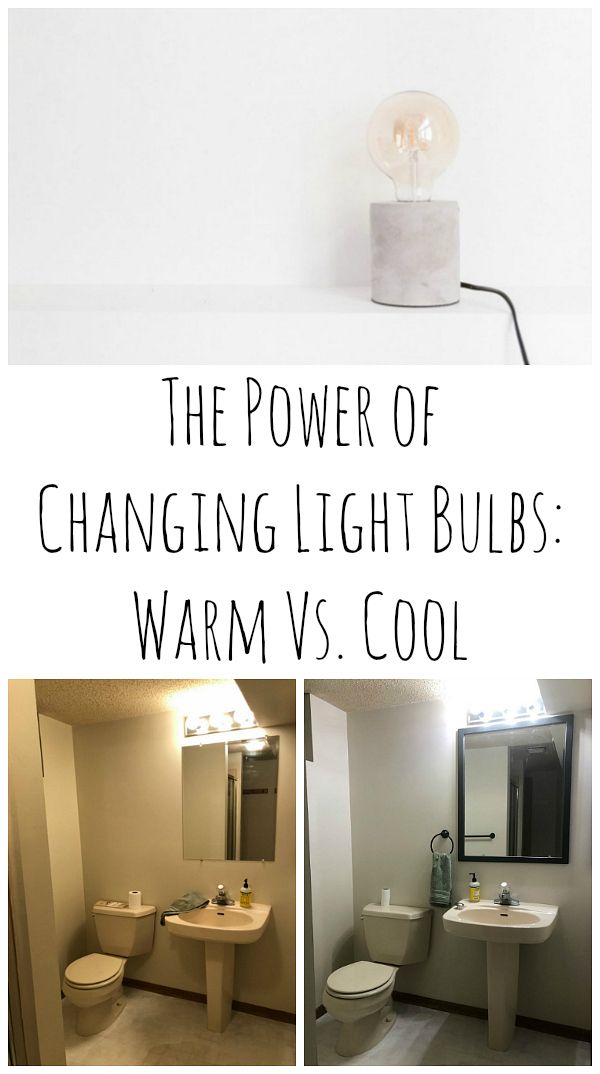
First, let's grasp the fundamental difference. Warm light is softer, cozier, and evokes feelings of comfort and relaxation. On the other hand, cool light is brighter, crisper, and stimulates mental alertness and focus.
Warm Light
Warm light, often referred to as 'soft white', has a lower color temperature, typically ranging from 2700K to 3300K. It's the perfect choice for creating a inviting, intimate atmosphere, and is ideal for social spaces like living rooms, bedrooms, and dining areas.


Moreover, warm light is less taxing on the eyes, making it a better choice for relaxation and evening activities. It's also kinder to your belongings - prolonged exposure to cool light can cause fabrics and furniture to fade over time.
Dining Rooms and Kitchens
Warm, ambient lighting is essential in dining areas to create an inviting atmosphere. Edison-style or incandescent bulbs, or even dimmable LED bulbs, can help you achieve this. In kitchens, use warm, directed task lighting to create a cozy yet functional workspace.


Consider under cabinet lighting or pendant lamps for task lighting, while ambient uplighting or warm wall sconces provide overall atmosphere.
Bedrooms and Bathrooms
For tranquil spaces like bedrooms, warm lighting helps create a relaxing environment conducive to sleep. Bedside table lamps or wall sconces are popular choices. Bathrooms too can benefit from warm lighting, especially for evening use. Consider dimmable vanity lights or warm overhead fixtures.
For a touch of elegance, layered lighting with a mix of warm task, accent, and ambient light can create a beautiful dynamic in bedrooms and bathrooms.


Cool Light
Cool light, also known as 'daylight', has a higher color temperature, typically ranging from 5000K to 6500K. It's similar to natural sunlight, promoting alertness and productivity, making it an excellent choice for offices, libraries, and areas requiring focused attention.
Remember, while cool light is beneficial during the day, prolonged exposure in the evening can disrupt your body's natural sleep cycle, interfering with your ability to fall asleep.
Home Offices and Study Spaces
Cool lighting is a must for home offices and study spaces, as it helps maintain focus and productivity. LED task lamps or overhead fixtures with daylight colors work well. Consider adjustable options to suit your needs during different tasks or times of the day.




Additionally, natural light from windows can provide additional cool light, further enhancing the space's subtle, daylight ambiance.
Garages and Workshops
For spaces like garages and workshops, cool, bright light is crucial for safety and visibility. Fluorescent or LED shop lights, and task-specific lighting like underneath cabinets or workbenches, ensure you see clearly while tackling projects or performing tasks.
Also, consider adding appropriate shading or reflection-reduction strategies to minimize glare and eye strain from intense, direct cool light sources.
In conclusion, understanding the characteristics and benefits of warm and cool light enables you to create the perfect ambiance for any setting. By choosing the right color temperature and fixture type, you can enhance the functionality, aesthetics, and overall enjoyment of your spaces. So, gear up to light your way to a well-lit, perfectly positioned world!
Related Articles

Warm vs Cool Colors: Stunning Examples & Guide
When discussing color schemes, one of the first distinctions made is between warm and cool colors. Understanding these categories not only helps in visual arts...

"Crafting a Warm, Cozy Office: Your Ultimate Guide to Comfortable Workspaces"
Creating a warm and cozy office environment isn't just about aesthetics; it's about fostering productivity, creativity, and employee well-being. By...

Ultimate Guys' Office: Cool Gadgets & Accessories
Elevate your home office space with these cool, functional, and stylish office items tailored for guys. Creating an environment that reflects your personality...

Sell My Galaxy Watch: Ultimate Guide & Top Buyers
In today's fast-paced world, keeping track of time and staying connected is essential, and the Samsung Galaxy Watch is designed to streamline these aspects. If...

Smart Mover Software: The Ultimate Guide to Simplifying Relocation
In the dynamic world of real estate, staying organized and efficient is key to success. That's where smart mover software comes in, revolutionizing the way...

Top 10 Office Desks: Ultimate Guide
Choosing the right office desk is crucial for maintaining productivity and comfort. With a myriad of options available, selecting the best one can be daunting...