AI Revolutionizing Smart Buildings & Infrastructure Market
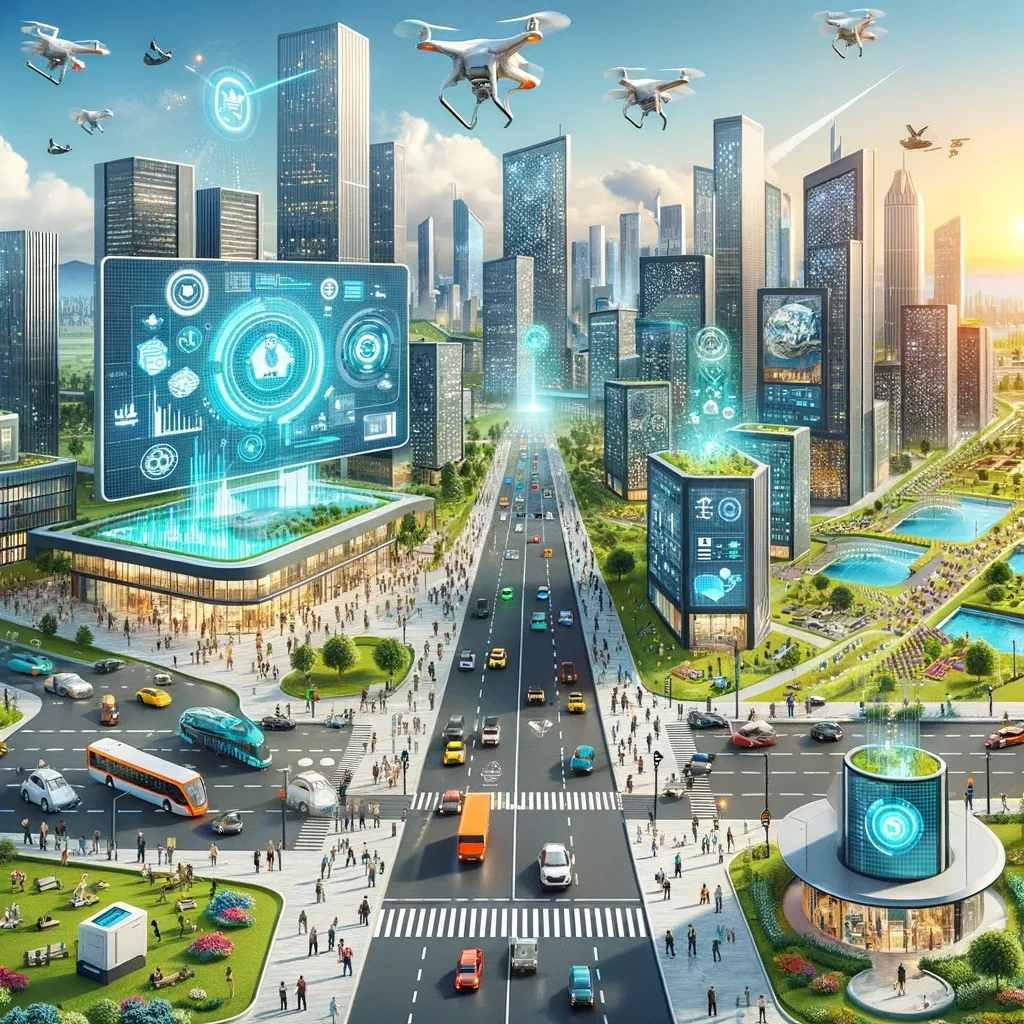
The integration of Artificial Intelligence (AI) in the smart buildings and infrastructure market has revolutionized the way we design, build, and manage our physical environments. By leveraging AI's predictive analytics and automation capabilities, we're creating spaces that are not just intelligent, but also adaptable, efficient, and sustainable.
AI's impact on the smart buildings and infrastructure market is multifaceted, touching nearly every aspect, from initial design to ongoing operation. Let's delve into the key areas where AI is making a significant difference.
Optimizing Building Design and Construction
AI is transforming the early stages of building development byEnabled by AI, building information modeling (BIM) software can now simulate various design scenarios, predict energy consumption, and optimize layouts for better3D, enabling virtual walkthroughs, clash detection, and real-time feedback on design changes.


The application of machine learning algorithms also facilitates predictive maintenance. By analyzing historical data and sensor readings, these algorithms identify patterns and predict equipment failures before they occur. This proactive approach can significantly reduce downtime and maintenance costs.
AI-driven Automation in Construction (AIC)
AI is driving automation in construction through robotics, drones, and autonomous vehicles. These innovations are improving safety, reducing labor costs, and enhancing project outcomes. For instance, AI-equipped construction robots can perform tasks like bricklaying, concrete surfacing, and steel welding with a high degree of accuracy and consistency.


Drones equipped with AI are transforming site management and inspection. They can survey sites in real-time, monitor progress, capture data, and create 3D maps for better decision-making. Autonomous vehicles, such as self-driving trucks, can navigate construction sites safely and efficiently, further optimizing construction processes.
Smart Materials and IoT Sensors
AI is also enabling the development of smart materials that can adapt to their environment, providing new opportunities for innovative building designs. These materials, combined with IoT sensors, create a network of intelligent building systems that constantly monitor and respond to changes in temperature, lighting, humidity, and other factors.
By analyzing the data from these sensors, AI algorithms can make real-time adjustments to optimize energy use, enhance occupant comfort, and reduce operational costs. For example, smart windows can adjust their tint based on sunlight levels, reducing the need for artificial lighting and air conditioning.


Improving Energy Efficiency and Sustainability
AI's predictive analytics and automation are helping buildings to achieve significant energy savings. By analyzing historical data and real-time sensor readings, AI algorithms can predict energy demand, optimize heating and cooling schedules, and reduce overall consumption.
AI is also facilitating integrated renewable energy systems. By predicting energy generation from solar, wind, or other sources, AI can optimize grid connection, energy storage, and power distribution. This not only reduces dependency on non-renewable energy sources but also decreases operational costs.
Demand Response Programs
AI-powered demand response (DR) programs allow buildings to automatically adjust their energy use in response to grid conditions. During peak demand periods, buildings can reduce their energy consumption, earning financial incentives and helping to stabilize the grid. AI-driven DR programs can forecast these peak periods and automate responses, ensuring maximum efficiency with minimum manual intervention.


These programs can also help buildings participate in frequency regulation markets, providing essential grid stability services while generating additional revenue streams.
Advanced Energy Management Systems
AI is enabling the development of advanced energy management systems (EMS) that optimize energy use across multiple buildings or campuses. By integrating data from various sources, these systems provide real-time insights, predictive analytics, and automated controls to enhance energy efficiency and sustainability.
Through machine learning, these EMS can continuously improve their performance, adapting to new conditions and learning from previous outcomes. This ensures that buildings remain energy-efficient and sustainable over time, despite changes in occupancy, weather patterns, or other factors.
As AI continues to evolve, its role in the smart buildings and infrastructure market is set to become even more prominent. From design to construction, operation to maintenance, AI is demonstrating its potential to create spaces that are not just intelligent, but also adaptable, efficient, and sustainable. As we look to the future, it's clear that AI will play a crucial role in shaping the built environment of tomorrow.
Related Articles
AI Revolutionizing Smart Buildings & Infrastructure
The integration of AI in smart buildings and infrastructure has emerged as a transformative force, reshaping how we construct, operate, and maintain our urban...

"Revolutionizing Spaces: Smart Buildings Tech & the Built Environment"
The advent of the internet and the rise of digital technologies have transformed the way we design and build structures, giving birth to the concept of smart...

Smart Charging Stations: Revolutionizing EV Infrastructure
In the bustling world of electric vehicles (EVs), one topic that's gaining significant traction is smart charging stations. As EV ownership surges across the...
Smart Building Companies: Revolutionizing Urban Spaces
The advent of the Internet of Things (IoT) has transformed numerous industries, with perhaps no sector feeling the impact more than real estate. Smart...

PMI's Smart Grid Development: Revolutionizing Power Infrastructure
PMI Smart Grid Development Limited, a subsidiary of Power Management Infrastructure Limited, is at the forefront of revolutionizing the power sector with...

Smart Tower Systems LLC: Revolutionizing Vertical Infrastructure
Innovating the vertical landscape: Smart Tower Systems LLC has emerged as a leading force in the tower industry, specializing in the design, manufacture, and...