DIY Raw Dog Food: A Nutrition Guide
Have you ever considered feeding your furry companion a diet that's more in line with their natural, ancestral way of eating? Many pet owners are exploring the benefits of raw dog food, leading to the question: can I make my own raw dog food?
The short answer is yes, you certainly can, and you might even find it rewarding and fun to prepare. But before we dive into the how, let's briefly discuss the what and why of raw dog food.
What is Raw Dog Food?
Raw dog food, often referred to as a Biological Appropriate Raw Food or BARF diet, consists of uncooked meat, bones, vegetables, and fruits. Proponents of raw feeding believe it mimics what dogs would eat in the wild, providing them with more natural, wholesome nutrition.


Adherents of raw feeding claim it's beneficial for dogs' dental health, improves digestion, boosts energy levels, and can even lead to more vibrant, healthy skin and coat. However, it's crucial to stress that raw feeding isn't without its risks, including the potential for bacterial infections like salmonella if not properly prepared and handled.
Understanding the BARF Diet
The BARF diet typically consists of 60-70% meat (including bones), 10-15% vegetables, 5-10% fruits, and 5-10% seeds, eggs or dairy. Meat should ideally be raw, but if you prefer to use cooked meat, it should make up no more than 15% of your dog's diet.


Introduce new foods gradually and in small quantities to avoid upsetting your dog's stomach. Always consult with your vet before making significant changes to your dog's diet.
Balancing Nutrition in Raw Dog Food
To ensure your homemade raw dog food provides complete nutrition, you'll need to balance nutrients from meat, bones, vegetables, and supplements. A balanced diet includes proteins, carbohydrates, fats, vitamins, and minerals. Calcium and phosphorous, in particular, are critical for bone health.
You can calculate the necessary ratios using specially designed calculators, or you may choose to purchase pre-prepared supplement packs for convenience.


Preparing Raw Dog Food at Home
Now that you understand the basics of raw dog food, let's get into the nitty-gritty of preparing it at home.
Start by sourcing high-quality, organic ingredients where possible. Determine the size of the meals based on your dog's age, size, and activity level. Generally, a dog needs about 2-3% of their body weight in food per day.
Chopping and Portioning
Wearing gloves and working on a clean surface, chop the meat and vegetables into appropriate sizes for your dog. Remember, your dog has strong jaws but smaller digestive tracts.
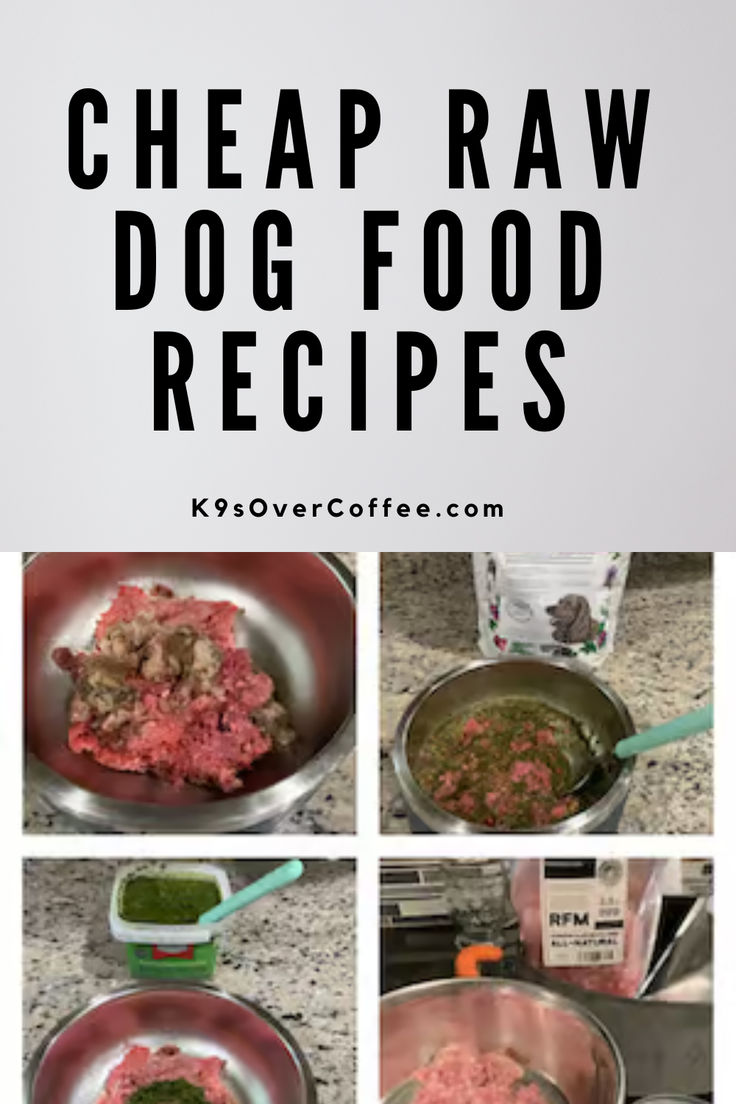


Portion the food into freezer-safe containers or bags, label them with the date and contents, then freeze. Thaw meals in the fridge overnight before serving. Always wash your hands, utensils, and work surfaces thoroughly before and after preparing raw dog food.
Storing Raw Dog Food
Raw dog food should be stored in the freezer or fridge. In the freezer, it can last up to three months. Once thawed, keep it in the fridge and use within three days. When serving, ensure the food is fully defrosted and served at room temperature or slightly warmed.
Feeding your dog a raw diet involves careful planning and preparation, but many pet owners find it a rewarding and enriching way to care for their pets. Always talk to your vet before making significant changes to your dog's diet, and ensure you're thorough with food safety practices.
While it's entirely possible to make your own raw dog food, it's equally crucial to stay informed, care for your dog's health, and maintain a careful balance between nutrition and safety. Happy cooking!
Related Articles
"DIY Raw Dog Food: Can You Make It at Home?"
Considering a raw diet for your furry companion? Many pet owners are exploring the idea of making their own raw dog food. But is it safe, nutritious, and worth...

Easy Food Drawing: Step-by-Step Guide
Unleash your creativity and nourish your appetite with our easy food drawing guide! Whether you're an aspiring artist or simply seeking a fun way to engage...
Is Homemade Dog Food Superior? A Comprehensive Comparison
Home-cooked meals for your furry companions have become increasingly popular, leaving dog owners pondering: is it better to make your own dog food? The...

Create Your Own Alexa Skills: A Step-by-Step Guide
Ever fantasized about having your own digital assistant, ready to cater to your unique needs and preferences? While Amazon's Alexa is quite versatile, it...

"Create Podcast Playlist: A Step-by-Step Guide"
Creating a podcast playlist is a fantastic way to curate episodes that align with your interests or cater to specific themes. While podcasts themselves aren't...

25 Clever Ideas: Creative Things to Make with Food
Food is not just sustenance, it's an art form, a medium for creative expression. With the right inspiration and a bit of imagination, you can transform...