"DIY Raw Dog Food: Can You Make It at Home?"
Considering a raw diet for your furry companion? Many pet owners are exploring the idea of making their own raw dog food. But is it safe, nutritious, and worth the effort? Let's delve into this growing trend, its benefits, and the steps you can take to ensure a wholesome diet for your dog.
Before we proceed, it's crucial to understand that switching your dog to a raw diet requires careful planning and consultation with a vet or canine nutritionist. Wrongly balanced meals can lead to nutrient deficiencies or toxicities, hence the importance of doing it right.
Understanding Raw Dog Food
Raw dog food, or BARF (Biologically Appropriate Raw Food), consists of uncooked meat, bones, organs, and vegetables, primarily mimicking the diet of our canine ancestors. Advocates of raw diets claim it boosts energy, improves coat and skin health, and promotes overall well-being.


However, it's not without its controversies. Critics argue that raw foods can harbor pathogens, pose a risk of malnutrition if improperly balanced, and may have a higher environmental impact due to increased meat consumption.
Potential Benefits of Raw Dog Food
Proponents of raw diets often highlight the potential benefits, including:


- Enhanced digestion: Raw food's higher moisture content and natural enzymes can aid digestion.
- Improved skin and coat health: The omega-3 fatty acids and other nutrients in raw foods can lead to improved skin and coat condition.
- Boosted immune system: The variety of nutrients in raw diets can help strengthen your dog's immune system.
Risks and Precautions
Despite the potential benefits, there are significant risks to consider:
- Pathogen concerns: Uncooked meat can harbor harmful bacteria like Salmonella and E. coli. Always handle raw foods with care and avoid cross-contamination.
- Nutrient imbalances: Improperly balanced meals can lead to deficiencies or toxicities in vitamins and minerals. Always consult a professional when planning your dog's diet.
- Environmental impact: The increased consumption of meat in raw diets can contribute to environmental issues, such as greenhouse gas emissions and deforestation.
Making Your Own Raw Dog Food
If, after careful consideration, you decide to try a raw diet, follow these steps to ensure your dog gets a balanced meal:
Consult a professional: Before you begin, consult with a certified animal nutritionist or holistic vet. They can provide guidance and help you create a safe and balanced meal plan.


Components of a Balanced Raw Diet
A balanced raw diet should consist of:
- Meat: Raw muscle meat should make up the majority of your dog's diet. This can include chicken, turkey, beef, and other meats.
- Bones: Raw bones provide essential minerals and help maintain oral health. Ensure they're suitable for your breed and size of dog and are not cooked as they can splinter.
- Organs: Liver, heart, and other organs should be included to provide vital nutrients like vitamins A, B, and D.
- Vegetables and fruit: While meat makes up most of the diet, dogs can benefit from some vegetables and fruits for their fiber and vitamins. However, avoid toxic varieties and prepare them correctly.
Remember, the goal is to mimic the natural diet of your dog's ancestors. This means including a variety of foods and balancing them carefully to provide all the necessary nutrients.
Preparation and Storage
Proper preparation and storage are crucial to minimize bacterial risk:
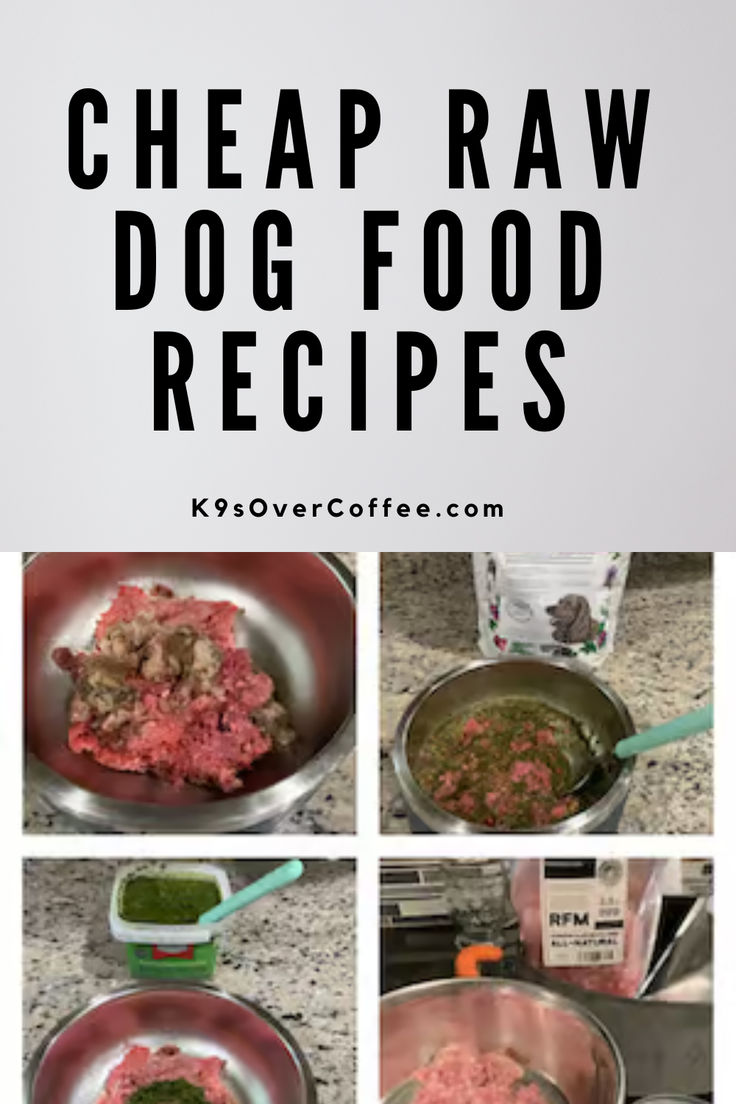


- Handling: Always handle raw food under hygienic conditions. Use separate utensils for raw and cooked food, and thoroughly wash your hands after handling.
- Freezing: Freeze joints and other perishable items immediately after purchase. This helps kill any parasites and extends shelf life.
- Thawing: Thaw food overnight in the refrigerator, not at room temperature. Cooked food should not be re-frozen and should be used within a few days.
Making your own raw dog food requires dedication, careful planning, and strict adherence to hygiene. It's not a decision to take lightly. But with the right guidance and preparation, it could provide your dog with a nutritious and biologically appropriate diet.
Before you embark on this journey, remember to have regular check-ups with your vet. They can monitor your dog's health and adjust the diet as needed. This way, you can ensure your dog's raw diet is not only delicious but also safe and balanced.
Related Articles
DIY Raw Dog Food: A Nutrition Guide
Have you ever considered feeding your furry companion a diet that's more in line with their natural, ancestral way of eating? Many pet owners are exploring the...

Crafty Christmas: Homemade Gift Ideas for Home Decor
As the festive season approaches, the search for unique and meaningful Christmas gifts often leads us down the path of commercialised offerings. However, the...
Is Homemade Dog Food Superior? A Comprehensive Comparison
Home-cooked meals for your furry companions have become increasingly popular, leaving dog owners pondering: is it better to make your own dog food? The...

25 Clever Ideas: Creative Things to Make with Food
Food is not just sustenance, it's an art form, a medium for creative expression. With the right inspiration and a bit of imagination, you can transform...

Best Kmart Sub Sandwich Recipe: Make Delicious Copycat at Home
The Kmart sub sandwich, a classic deli delight, has been a fan favorite for generations. If you've ever wondered how to recreate the magic at home, you're in...

"Revolutionize Home Life: Top Products from Your Smart Living Company"
The rise of the smart home has brought with it a plethora of innovative products that are transforming the way we live and interact with our spaces. At the...