DIY vs Store-bought: ""
The idea of creating your own first aid kit can be both empowering and economical, but the question remains: is it actually cheaper to make your own first aid kit? The answer, as is often the case, is situational and depends on various factors. Let's delve into the details to help you make an informed decision.
Before we compare costs, consider the convenience and peace of mind that comes with having a well-stocked first aid kit at home, in your car, or at your workplace. Being prepared for minor injuries or unexpected situations is priceless, and that's before we even discuss the potential savings.
The Cost of Pre-made First Aid Kits
Commercial first aid kits come in various sizes and levels of comprehensiveness, with prices ranging from around $10 to over $100. On average, you can expect to pay between $20 and $50 for a good-quality, well-stocked kit. However, these kits may not include all the items you need or want, and you might end up buying additional supplies.


Moreover, pre-made kits often come in plastic cases, which can be expensive and environmentally unfriendly. You might prefer to use a reusable container or even repurpose an old one, further adding to the cost savings of DIY kits.
breaks down the cost
To determine if making your own first aid kit is cheaper, let's break down the cost of a pre-made kit and compare it to the cost of purchasing the same items individually.


Consider a mid-range, $30 pre-made first aid kit. Here's a rough breakdown of its contents and their approximate individual prices:
- Adhesive bandages: $5
- Gauze pads: $3
- Adhesive tape: $2
- Antiseptic wipes: $3
- Antiseptic solution: $2
- Tweezers: $2
- Scissors: $2
- Instant cold pack: $2
Total: ~$24
Notice that the total is significantly lower than the $30 price tag. The difference covers the cost of the container, packaging, and perhaps a small profit margin. However, this breakdown doesn't include other useful items you might want in your first aid kit, such as pain relievers, allergy medications, eyewash, or emergency blankets.


Bulk purchasing and discounts
When buying items in bulk and opting for generic or store-brand versions, you can often find prices even lower than those mentioned above. This can make DIY first aid kits significantly cheaper, especially if you need to stock up for a large family or group.
Additionally, some stores offer discounts on first aid supplies during certain times of the year, such as National Preparedness Month in September. Keep an eye out for these deals to maximize your savings.
Advantages of DIY First Aid Kits
Beyond the potential cost savings, there are several advantages to making your own first aid kit. Firstly, you can customize it to meet your specific needs and those of your family. If someone has an allergy or medical condition, you can include relevant medications and supplies.


Furthermore, by making your own kit, you can ensure that all the items inside are in good condition and haven't expired. Pre-made kits may be older by the time you purchase them, and some items might not be as effective after prolonged storage.
Avoiding sourced from dubious origins
When buying pre-made first aid kits, there's a chance that some of the supplies may have been sourced from less reputable manufacturers. This can be a concern, as you want to know that the products you're using on injuries and wounds are safe and effective.
By making your own kit, you can research and choose reputable brands for each item, ensuring that you have high-quality supplies you can trust.
Environmental impact
As mentioned earlier, pre-made first aid kits often come in plastic cases, contributing to plastic waste. By making your own kit and reusing a container, you can reduce your environmental impact and do your part for sustainability.
Potential Drawbacks and Considerations
While there are numerous benefits to making your own first aid kit, there are some potential drawbacks and considerations to keep in mind.
Firstly, creating a comprehensive first aid kit can take time and effort. You'll need to research what supplies to include, compare prices, and make multiple trips to the store. If time is a limited resource for you, it might be more convenient to purchase a pre-made kit.
Additionally, you'll need to keep track of expiration dates and update your kit as needed. Pre-made kits often come with an expiration date, and some stores will even replace expired kits for free. With a DIY kit, it's up to you to monitor and replace expired supplies.
Inflated prices for some items
While bulk purchasing can lead to significant savings, some first aid supplies, like instant cold packs or emergency blankets, may not be available in bulk or might have inflated prices in smaller quantities. This could impact the overall cost of your DIY kit.
It's essential to weigh the potential drawbacks against the benefits and determine whether the time and effort required to create your own first aid kit is worthwhile for you.
Ultimately, the decision to make your own first aid kit depends on your personal preferences, budget, and needs. By understanding the costs, advantages, and considerations, you can make an informed decision that works best for you and your family. Don't forget that being prepared with a well-stocked first aid kit is invaluable, and the peace of mind it brings is truly priceless.
Related Articles

DIY vs Store-Bought: Can You Save Money Making Your Own Raw Dog Food?
Are you a pet parent considering switching to raw dog food but wondering if it's cheaper to make your own? You're not alone. With the growing popularity of raw...

Is It Cheaper To Build Your Own Cabinets?
Ever wondered if it's more cost-effective to build cabinets yourself instead of buying them pre-made? The answer isn't always straightforward, as it depends on...

"DIY vs. Store-Bought: Is Building Your Own Garden Room Cheaper?"
Building your own garden room can have a significant impact on your home's functionality and visual appeal. But when it comes to cost, is it really cheaper to...

Is Homemade Dog Food Cheaper?
Ever wondered if it's more cost-effective to make your own fresh dog food instead of relying on store-bought kibble or canned food? With the rising cost of pet...

DIY Dog Food: Is Homemade Cheaper Thanstore-Bought?
When it comes to providing the best for our furry friends, one of the most frequent questions pet owners ask is, "Is it less expensive to make my own dog...
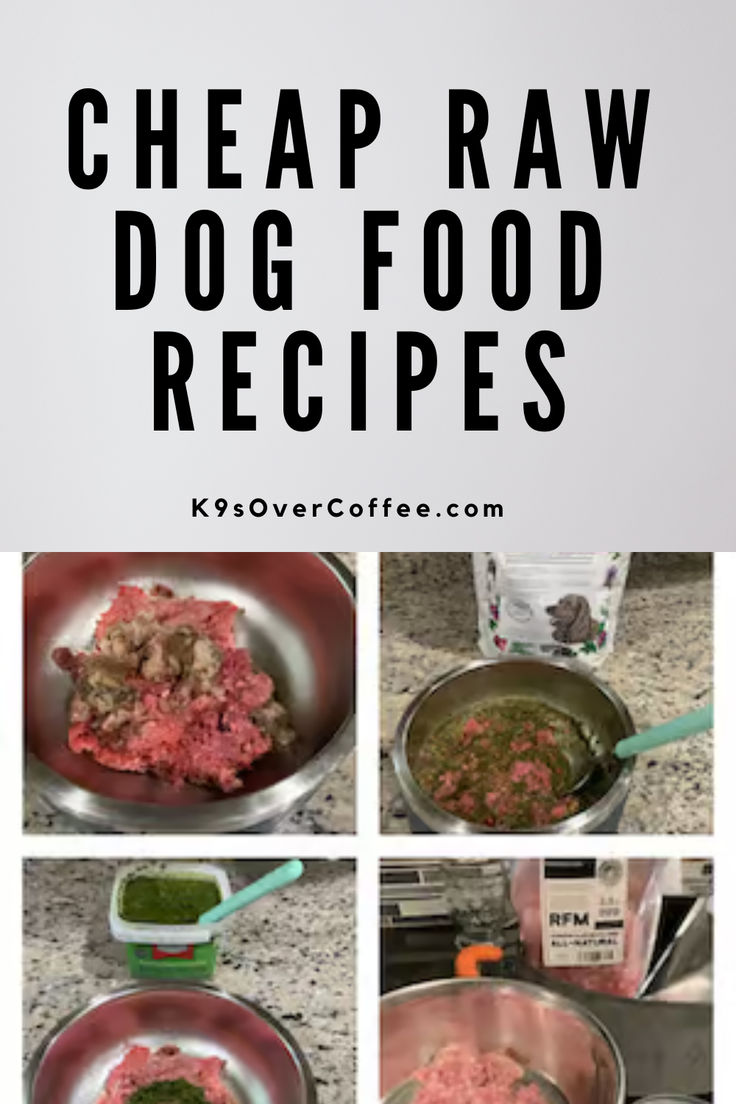
Is Homemaking Your Dog's Food Cheaper?
Pet owners are always on the lookout for the most economical and nutritious options for their furry friends. One question that often pops up is: Is it cheaper...