DIY vs Store-Bought: Can You Save Money Making Your Own Raw Dog Food?
Are you a pet parent considering switching to raw dog food but wondering if it's cheaper to make your own? You're not alone. With the growing popularity of raw diets among canines, affordability is a significant factor for many pet owners. Let's delve into the costs and benefits of making your own raw dog food versus store-bought options.
Before we explore the nitty-gritty of costs, let's clarify what a raw dog food diet entails. This typically includes raw meat like chicken, turkey, or fish; raw eggs; vegetables like carrots or broccoli; and calcium supplements like crushed eggshells or bone broth. This diet mimics what dogs' ancestors would have eaten in the wild.
Cost Analysis: Store-Bought vs. Homemade Raw Dog Food
The cost of raw dog food can vary significantly depending on whether you buy it pre-made or decide to prepare it at home. Let's break down the costs involved in each option.


Store-bought raw dog food can range from $2 to $8 per pound, with premium brands reaching even higher prices. This might seem expensive, but it's crucial to consider the convenience and peace of mind these pre-made meals offer. They are formulated by professionals, ensuring a balanced diet for your furry friend.
Cost of Raw Ingredients at Home
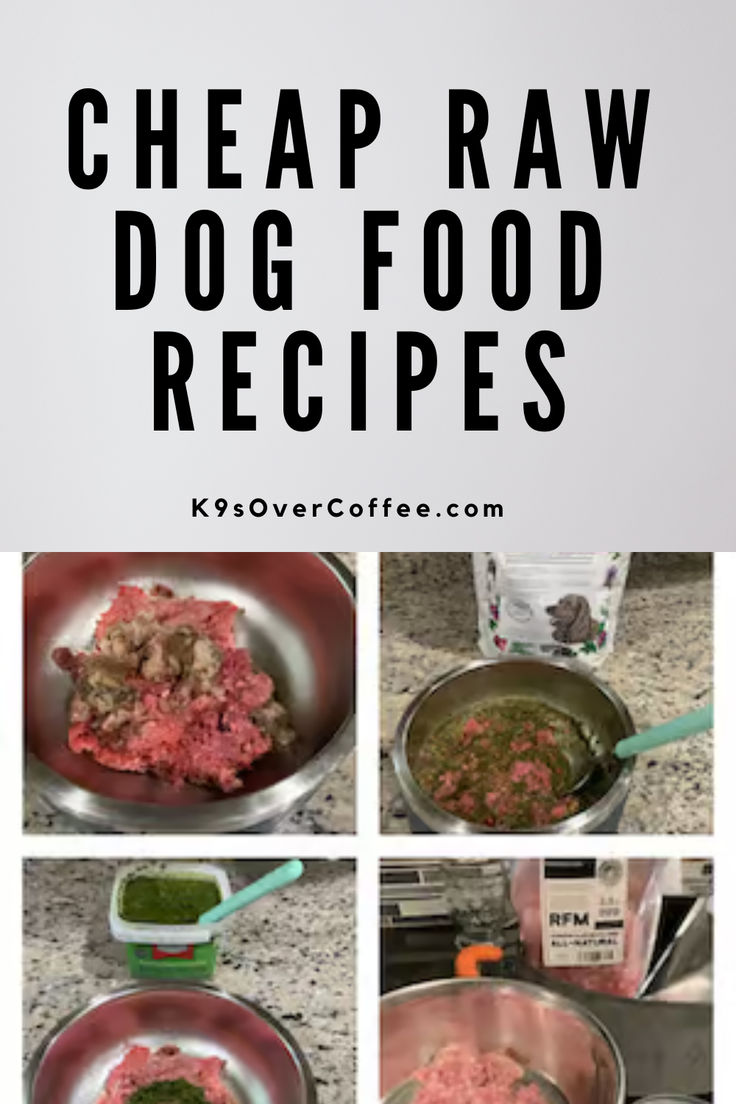
When it comes to making your own raw dog food, the cost can fluctuate based on your location, the quality of ingredients, and where you source your materials. Here's a rough breakdown:


- Protein sources: $1.50 - $6 per pound
- Vegetables: $0.50 - $2 per pound
- Eggs: $0.50 - $2 per dozen
- Calcium supplements: $5 - $15 per container
On average, the cost of homemade raw dog food can range from $1 to $4 per pound, making it potentially cheaper than store-bought options. However, this depends on several factors, such as the type of meat you use, the size of your dog, and how often you feed raw food.
hidden Costs of Homemade Raw Dog Food
While the initial costs of ingredients might seem lower when making your own raw dog food, there are hidden expenses to consider.
- Preparation time: Preparing raw meals for your dog can take significant time and effort, which could be a deterrent for busy pet parents.
- Freezer space: Raw food must be stored in the freezer, which may require you to upgrade your freezer or use additional space in a separate freezing unit.
- Calculate a balanced diet: Ensuring your dog gets a balanced diet requires thorough research and understanding of their nutritional needs, as raw food must be rotated to provide a variety of essential nutrients.
These factors might make homemade raw dog food less cost-effective than initially assumed.


Benefits of Raw Dog Food: Beyond Cost
Cost shouldn't be the only factor you consider when deciding to switch to a raw dog food diet. The potential health benefits for your dog might outweigh the extra expenses.
Proponents of raw diets claim that they improve a dog's energy levels, skin, coat, and overall dental health. Some even suggest that raw food can help reduce allergies and improve digestion. However, it's essential to remember that these benefits aren't backed by extensive scientific research, and individual results may vary.
Nutritional Balance
Maintaining a balanced diet is crucial for your dog's health. When switching to raw food, ensure you're incorporating various protein sources, vegetables, and supplements. bells & whistles like organic or grass-fed meat might seem like a luxury, but they provide added nutrients that could enhance your dog's health.


Always consult with your veterinarian before making significant changes to your dog's diet. They can provide personalized advice based on your dog's specific needs and health background.
Handling and Safety
Preparing raw dog food comes with inherent risks, such as cross-contamination and bacterial infections like salmonella or E. coli. To minimize these risks, always follow strict hygiene protocols:
- Wash your hands thoroughly before and after handling raw food.
- Use designated cutting boards and knives for raw food preparation, and do not use them for preparing human meals.
- Clean and disinfect surfaces and utensils after each use.
- Avoid raw food preparation in areas where food is prepared for human consumption.
Additionally, ensure your dog has a balanced intestinal microbiome to better resist harmful bacteria. This can be achieved by incorporating probiotics into their diet or using dog-specific probiotic supplements.
Making your own raw dog food can potentially be cheaper than store-bought options, but it's essential to consider all factors involved - convenience, time, safety, and the nutritional balance required for a healthy diet. The decision to feed your dog raw food should ultimately be based on what works best for you and your furry family member.
Related Articles
Is Homemaking Your Dog's Food Cheaper?
Pet owners are always on the lookout for the most economical and nutritious options for their furry friends. One question that often pops up is: Is it cheaper...

Is Making Fresh Dog Food Cheaper?
When it comes to our canine companions, many pet owners are opting for homemade dog food to ensure their pets enjoy a balanced, nutritious diet. But is it...
Is Homemade Dog Food Cheaper?
Ever wondered if it's more cost-effective to make your own fresh dog food instead of relying on store-bought kibble or canned food? With the rising cost of pet...

DIY Dog Food: Is Homemade Cheaper Thanstore-Bought?
When it comes to providing the best for our furry friends, one of the most frequent questions pet owners ask is, "Is it less expensive to make my own dog...

DIY vs Store-bought: ""
The idea of creating your own first aid kit can be both empowering and economical, but the question remains: is it actually cheaper to make your own first aid...

"DIY or Buy: The Cost of Homemade Wet Dog Food
When it comes to our canine friends, we always want to provide them with the best, including their diet. The question arises: Is it cheaper to make your own...