Smart Infrastructure: Revolutionizing Transportation
In the rapidly evolving landscape of urban planning and transportation, the concept of smart infrastructure has emerged as a game-changer. This isn't just about modernizing our cities' infrastructure; it's about making it intelligent, efficient, and responsive to the needs of its users. Let's delve into the fascinating world of smart infrastructure transportation, exploring how technology is revolutionizing the way we move people and goods.
At its core, smart infrastructure transportation is about leveraging data, IoT devices, and advanced analytics to optimize movement and usage. Imagine a network where traffic lights adjust their timings in real-time based on congestion, public transportation schedules automatically adapt to demand, and vehicles communicate with each other to prevent accidents. That's the power of smart infrastructure in action.
The Backbone of Smart Cities: IoT and Data
At the heart of any smart infrastructure system is the Internet of Things (IoT) and the data it generates. Sensors, beacons, and other IoT devices collect vast amounts of data, creating a digital map of the physical world. This data, when analyzed, provides insights that can guide decision-making, improve efficiency, and enhance user experience.


Take, for instance, the traffic management system in Barcelona. Here, data from over 1,500 sensors helps regulate traffic flow, reduce traffic jams, and optimize public transport routes. This isn't just about making our streets smarter; it's about making our lives better, one efficient commute at a time.
Real-Time Traffic Monitoring and Prediction
One of the key applications of IoT and data in smart infrastructure transportation is real-time traffic monitoring and prediction. By analyzing data from traffic sensors, vehicle GPS, and CCTV cameras, algorithms can predict traffic conditions and provide reliable, real-time traffic updates. This helps commuters avoid congestion, plan their routes effectively, and make informed decisions about when and how to travel.


For example, the SCOOT (Split Cycle Offset Optimisation Technique) system used in many UK cities uses AI to manage traffic signals in real-time. By continuously analyzing traffic data, SCOOT can adjust signal timings to optimize traffic flow, reducing journey times and emissions.
Demand-Responsive Public Transportation
IoT and data also enable demand-responsive public transportation systems, which can adjust their services based on real-time demand. This not only improves the efficiency of public transport but also makes it more convenient and accessible for users. No more waiting for a bus that may never come, or crowded buses that ignore your stop because they're too full.
A great example is the Braskereidden bus service in Denmark. Powered by data and AI, this on-demand bus service allows passengers to request a ride via a smartphone app. The bus then follows an optimized route based on passenger demand, making public transport a more flexible and attractive option.


Connected Vehicles and the Future of Mobility
While IoT and data are transforming our urban landscapes, another revolution is happening on our roads. Connected vehicles, or vehicles equipped with internet connectivity and advanced communication capabilities, are poised to redefine the future of mobility.
From telematics systems that monitor vehicle health and usage patterns to advanced driver-assistance systems (ADAS) that can prevent collisions and keep us safe, connected vehicles are making driving smarter and more enjoyable. But their real power lies in their ability to communicate with each other and with the infrastructure around them.
Vehicle-to-Everything (V2X) Communication
V2X communication, which enables vehicles to communicate with other vehicles, infrastructure, and even pedestrians, forms the backbone of future smart transportation systems. By sharing information about their speed, direction, and location, vehicles can work together to prevent accidents, optimize traffic flow, and make our roads safer and more efficient.


A classic example is the vehicle-to-infrastructure (V2I) communication system used in some US cities. Here, vehicles communicate with roadside infrastructure like traffic lights, helping them to predict traffic signal timing and reducing wait times at intersections. This not only saves time but also reduces fuel consumption and emissions.
The Rise of Automated and Autonomous Vehicles
Underpinning the rise of connected vehicles is the promise of automation and autonomy. From dumb cars to self-driving ones, recent advancements in AI, machine learning, and sensor technology have brought us closer than ever to a future where vehicles can drive themselves.
Autonomous vehicles (AVs) promise to revolutionize mobility, improving safety, accessibility, and efficiency. They can navigate complex traffic situations, adapt to changing road conditions, and even park themselves. But automation isn't just about convenience; it's also about inclusivity. AVs could provide mobility solutions for the elderly, disabled, and other marginalized groups, ensuring that no one is left behind in our smart transportation future.
As we hurtle towards this exciting future, it's clear that smart infrastructure transportation is more than just a buzzword. It's a tangible, transformative concept that's already reshaping our cities and our lives. From Barcelona to Denmark, from the UK to the US, smart transportation is creating smarter, more efficient, and more sustainable urban environments. So, buckle up, because the future of mobility is here, and it's powered by data, intelligence, and connectivity.
Related Articles

State Grid's Smart Internet of Vehicles: Revolutionizing Transportation
Imagine a world where every vehicle is seamlessly connected, not just to the internet, but also to a vast network of smart grids, traffic signals, and even...

Smart Charging Stations: Revolutionizing EV Infrastructure
In the bustling world of electric vehicles (EVs), one topic that's gaining significant traction is smart charging stations. As EV ownership surges across the...
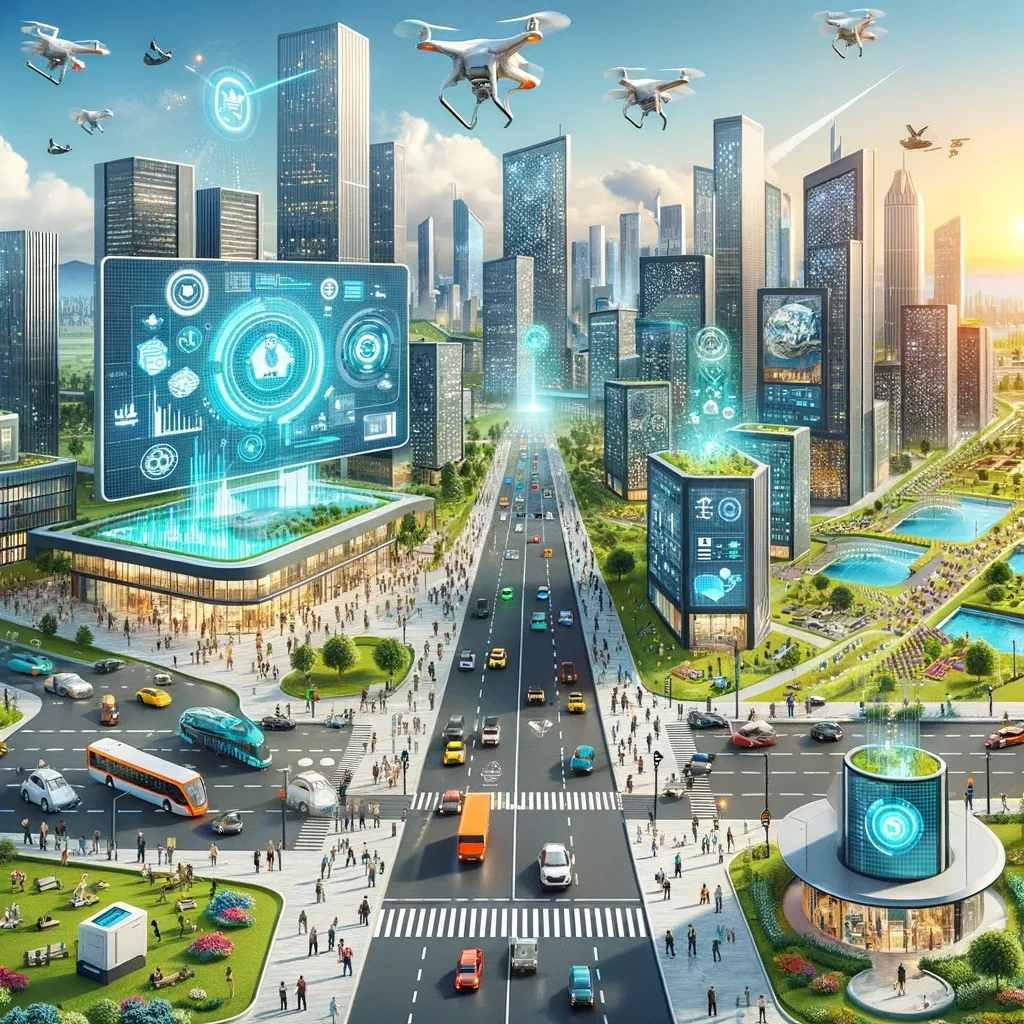
AI Revolutionizing Smart Buildings & Infrastructure
The integration of AI in smart buildings and infrastructure has emerged as a transformative force, reshaping how we construct, operate, and maintain our urban...

JM Smart Mobility Solutions: Revolutionizing urban transportation
In the ever-evolving landscape of urban mobility, one name stands out for its innovative and sustainable solutions - JM Smart Mobility Solutions. This...

PMI's Smart Grid Development: Revolutionizing Power Infrastructure
PMI Smart Grid Development Limited, a subsidiary of Power Management Infrastructure Limited, is at the forefront of revolutionizing the power sector with...

Smart Tower Systems LLC: Revolutionizing Vertical Infrastructure
Innovating the vertical landscape: Smart Tower Systems LLC has emerged as a leading force in the tower industry, specializing in the design, manufacture, and...