Revolutionizing Routes: AI in Transportation Infrastructure
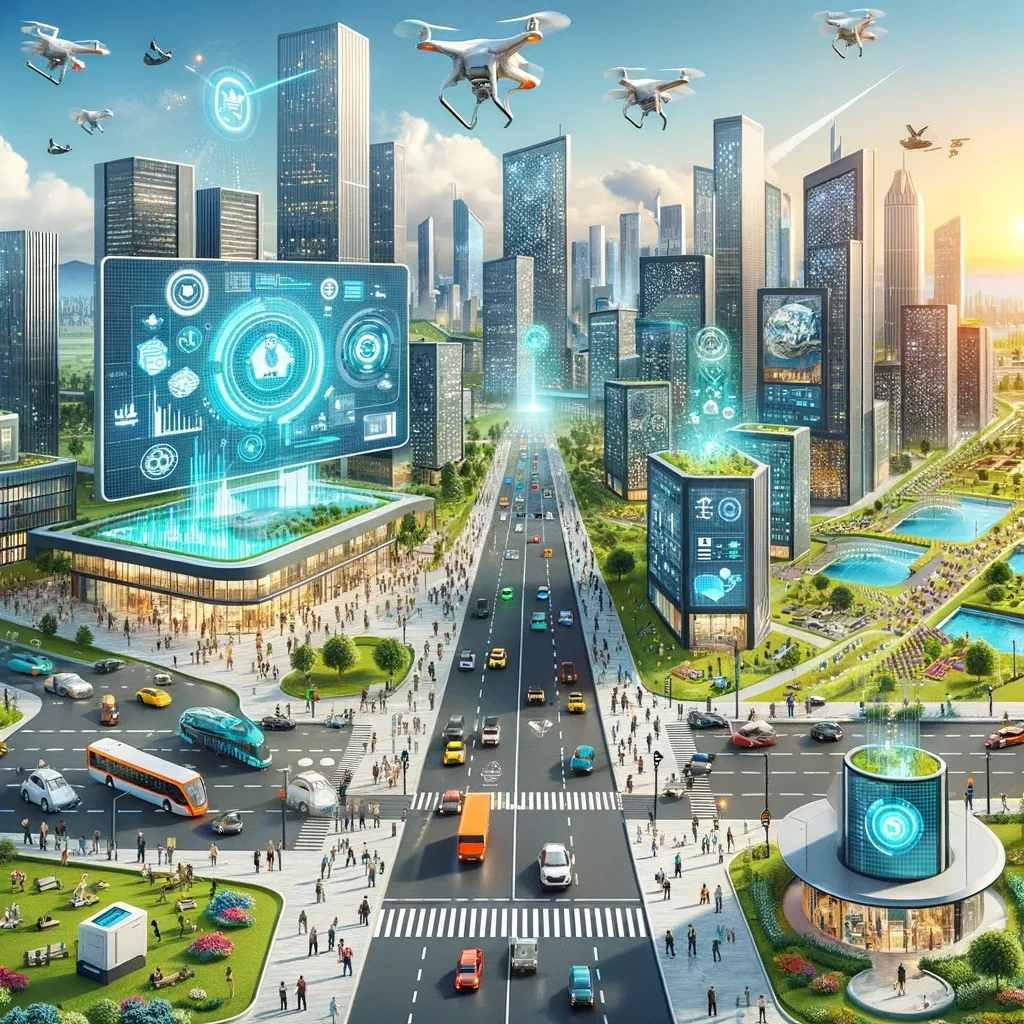
Transportation infrastructure is the backbone of modern society, facilitating the movement of people, goods, and information. Artificial Intelligence (AI) is increasingly being integrated into this infrastructure, promising enhanced efficiency, safety, and sustainability. This article delves into the intersection of AI and transportation infrastructure.
By leveraging machine learning algorithms, predictive analytics, and automation, AI is revolutionizing various aspects of transportation, from traffic management to logistics and public transport. This transformation is not only leading to smarter infrastructure but also paving the way for innovative mobility solutions.
AI in Traffic Management
Urban congestion is a pressing challenge in today's cities. AI is stepping in to optimize traffic flow and reduce commute times. Adaptive traffic control systems use real-time data and machine learning to adjust signal timing based on current traffic conditions, improving traffic flow and reducing wait times.


Another application is predictive traffic analytics. AI algorithms analyze historical and real-time traffic data to forecast future congestion, enabling city planners to proactively manage traffic and alert commuters to reroute. This not only alleviates congestion but also reduces emissions caused by idling vehicles.
AI and Autonomous Vehicles
AI is the brain behind autonomous vehicles (AVs), which are poised to transform urban mobility. AVs rely on sensors, lidar, and GPS data to perceive their environment, make decisions, and navigate safely. Deep learning algorithms enable AVs to improve their performance over time, learning from every mile driven.


Moreover, AVs operated as a fleet can communicate with each other and the infrastructure, a concept known as vehicle-to-everything (V2X) communication. This allows for coordinated movement, improved traffic flow, and increased safety. While fully autonomous vehicles are still a work in progress, AI is steadily bringing us closer to this reality.
AI in Public Transportation
AI is making public transport smarter and more convenient. Dynamic routing and scheduling use machine learning to optimize bus and tram routes based on real-time demand, improving efficiency and reducing wait times for passengers.
AI also enhances passenger information systems. By analyzing ridership patterns and real-time data, AI can provide accurate, up-to-the-minute information on delays, cancellations, and reroutes. This improves passenger satisfaction and helps maintain trust in public transport systems.


AI and Multimodal Mobility
AI is facilitating seamless, multimodal journeys. By integrating data from various transport modes, AI can recommend optimal routes considering factors like traffic, weather, and user preferences. This is made possible by multimodal transport platforms that leverage AI to provide real-time, personalized journey planning.
Furthermore, AI can help balance demand and supply in shared mobility services like bike-sharing and ride-hailing. By predicting demand hotspots and redistributing vehicles accordingly, AI ensures availability where needed and reduces idle time, improving service effectiveness and sustainability.
In the not-so-distant future, AI will continue to reshape transportation infrastructure, from our cities' arterial roads to the algorithms that power our mobility apps. As we embrace this AI-powered future, let's ensure we invest in equitable, sustainable, and resilient infrastructure that works for everyone.


Related Articles

Smart Infrastructure: Revolutionizing Transportation
In the rapidly evolving landscape of urban planning and transportation, the concept of smart infrastructure has emerged as a game-changer. This isn't just...

State Grid's Smart Internet of Vehicles: Revolutionizing Transportation
Imagine a world where every vehicle is seamlessly connected, not just to the internet, but also to a vast network of smart grids, traffic signals, and even...

Smart Charging Stations: Revolutionizing EV Infrastructure
In the bustling world of electric vehicles (EVs), one topic that's gaining significant traction is smart charging stations. As EV ownership surges across the...
AI Revolutionizing Smart Buildings & Infrastructure
The integration of AI in smart buildings and infrastructure has emerged as a transformative force, reshaping how we construct, operate, and maintain our urban...

JM Smart Mobility Solutions: Revolutionizing urban transportation
In the ever-evolving landscape of urban mobility, one name stands out for its innovative and sustainable solutions - JM Smart Mobility Solutions. This...

Revolutionizing IT Infrastructure: Harnessing the Power of Artificial Intelligence
The integration of Artificial Intelligence (AI) in Information Technology (IT) infrastructure has been a game-changer, revolutionizing the way we manage...